Flowering Bulbs in November
November marks the close of the main autumn bulb planting season. The soil is cooling fast and the days are short, but conditions are still workable for most hardy bulbs, and for tulips in particular this is actually peak planting time. Cooler soil temperatures in November reduce the risk of fungal diseases, making late planting a genuine advantage for tulips rather than a compromise.
For everything else, early November is the window. Get daffodils, alliums, crocus, and hyacinths in the ground in the first two weeks of the month for the best chance of strong flowering the following spring. Bulbs that have been sitting in storage since September will still perform, but they need to go in now rather than later.
Quick wins in November:
- Peak time for tulips, which benefit from cooler soil and are less prone to disease when planted late
- Last viable window for daffodils, alliums, crocus, and hyacinths before the ground hardens
- Good time for grape hyacinths, snowdrops, and iris reticulata if not yet planted
- Lilies and peonies can go in during autumn for summer flowering the following year
- Amarcrinum and Amarine, tender bulbs that flower in late summer, can be planted now in sheltered spots
What Bulbs Can You Plant in November?
November suits a narrower range than October but still covers the most popular spring-flowering bulbs. The key is to prioritise early in the month and focus on varieties that are known to establish well even when planted late.
In November, look out for bulbs that:
- Are classified as autumn-planting (check each product page)
- Are being planted in the first two weeks of the month for best results
- Suit well drained soil or containers, particularly tulips which are prone to rot in wet ground
- Will benefit from a little added grit or compost in heavy or clay soils
Top 6 Bulbs for November Planting
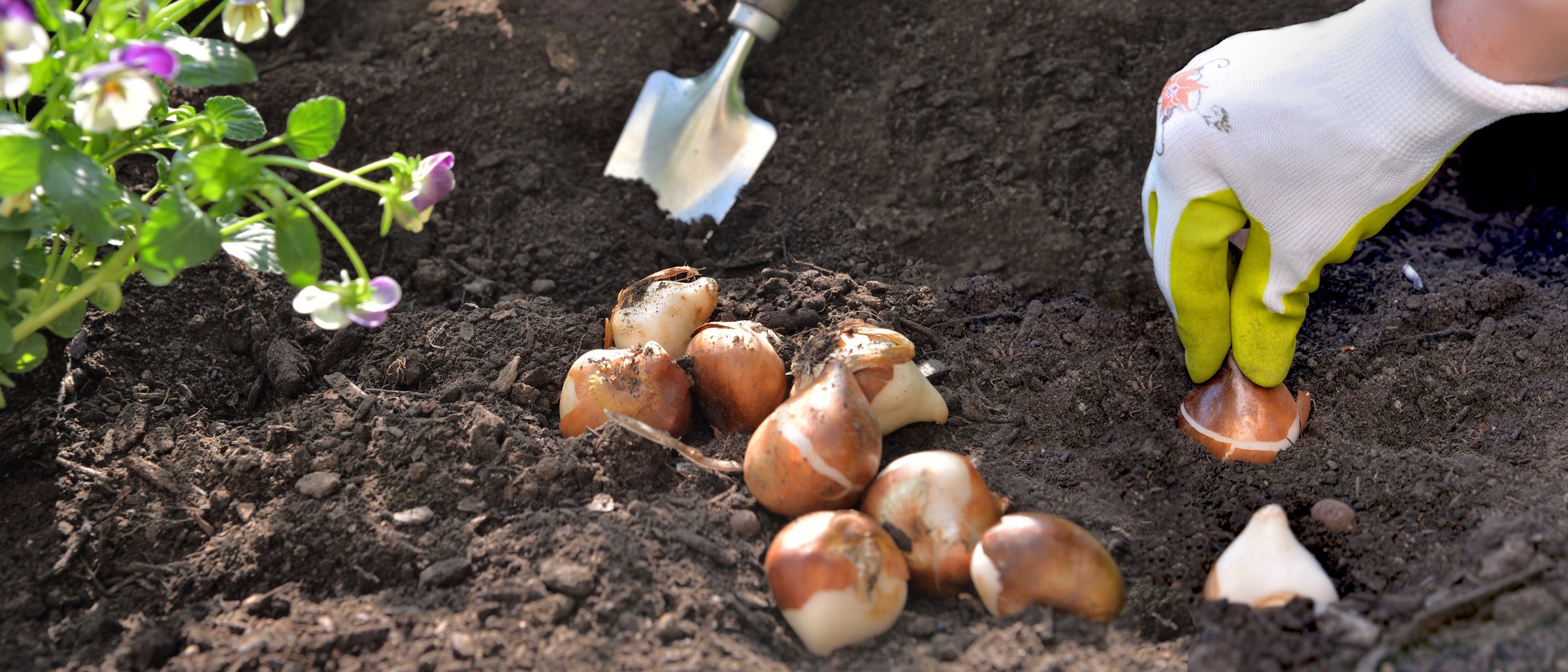
Tulipa (Tulips): November is widely considered the best month to plant tulips in the UK. Cooler soil temperatures slow the development of tulip fire, a fungal disease that is more prevalent when bulbs are planted in warmer conditions. Plant at 15 to 20cm depth in full sun with well-drained soil, or in deep containers with free-draining compost. A handful of grit in heavy soil significantly reduces the risk of rot.
Allium: Alliums are one of the most straightforward bulbs to plant in November and one of the most rewarding in late spring and early summer. They produce tall stems topped with globe-shaped flower heads that work well in borders alongside perennials and in cottage garden schemes. Plant in full sun in well-drained soil at a depth of two to three times the bulb's diameter.
Corydalis solida: These delicate woodland tubers produce ferny foliage and small clusters of flowers in pink, purple, or white in early spring. Plant in partial shade with moist, well-drained soil at around 5cm depth.
Crocus: Crocuses are among the hardiest and most forgiving of the autumn-planting bulbs and will still establish and flower well from a November planting in most gardens. They produce some of the earliest spring flowers, often appearing in February and March, and provide a vital early nectar source for pollinators. Plant in full sun or light shade in well-drained soil at 5 to 8cm depth. They naturalise readily in grass and improve year on year with no lifting required.
Narcissus (Daffodils): November is on the later side for daffodils, which perform best when planted from August onwards, but early November still gives reasonable results in most UK gardens.Plant at two to three times the bulb's depth and water in well after planting.
Hyacinthus (Hyacinths): Hyacinths are a reliable November planting choice, particularly for pots and containers where their strong scent can be appreciated at close range. They produce dense, upright flower spikes in shades of blue, purple, pink, and white from March onwards. Plant at around 10cm depth with the pointed tip facing upward. In containers, plant bulbs close together for a strong display and keep pots in a cool, sheltered spot over winter.
Planting Tips for November Bulbs
Act early in the month: November is a short planting window. Aim to get all bulbs in the ground by mid-November, particularly daffodils and alliums, which need more time to establish than tulips.
Add grit to heavy soil: November rain and cold can make clay or compacted soils difficult to plant into and increase the risk of bulbs sitting wet over winter. Work in grit or coarse sand to improve drainage, or plant in raised beds and containers where you have full control over the growing medium.
Protect pots from hard frosts: Bulbs planted in containers are more exposed than those in the ground. Move pots to a sheltered spot, against a wall or under an overhang, and wrap with fleece during prolonged cold spells to prevent the compost freezing solid.
Guard against squirrels and mice: Freshly planted bulbs, particularly tulips and crocus, can be dug up by squirrels and mice. Laying a piece of wire mesh flat over the planted area and covering with soil, or using a layer of sharp grit on the surface of containers, helps deter digging without harming wildlife.
Do not discard firm bulbs: Bulbs that have been in storage since late summer will still perform if they are firm and free from mould or soft spots. A late planting is always preferable to not planting at all.
Aftercare Made Simple
November-planted bulbs need very little attention over winter. Autumn and winter rainfall usually provides sufficient moisture; avoid overwatering, which can cause rot in cold, poorly draining soils.
When growth appears in late winter and spring, resist cutting back foliage until it has died back naturally, usually around six weeks after flowering. This allows bulbs to store energy for the following year.
For tulips, lifting bulbs after flowering and storing them dry over summer is worth considering, particularly in wetter gardens. In free-draining soil, many varieties will perform reliably for several years without lifting, though they may gradually decline in their third or fourth season.
Frequently Asked Questions
Is November too late to plant spring bulbs?
For most bulbs, early November is still a viable window. Tulips actually benefit from a later planting, and crocus, alliums, and hyacinths will all still establish and flower well from a November planting. Daffodils and snowdrops are better planted earlier in autumn, but if they are still in your possession in early November, they’re worth planting rather than discarding. Avoid planting into frozen or waterlogged ground.
Why are tulips best planted in November?
Cooler soil temperatures in November reduce the risk of tulip fire, a fungal disease caused by Botrytis tulipae that is more active in warmer soil conditions. Planting when soil temperatures have dropped gives the bulbs a cleaner start and tends to result in stronger, healthier flowering the following spring.
Can I plant bulbs in pots in November?
Yes. Containers are a practical option for November planting, particularly for tulips and hyacinths. Use free-draining compost mixed with a little grit, plant at the same depth as you would in the ground, and move pots to a sheltered spot over winter. Wrap containers in fleece during hard frosts to prevent the compost freezing solid.
What should I do if my bulbs have been sitting in a bag since September?
Check each bulb carefully. Any that are firm, dry, and free from mould or soft spots are still worth planting. Get them in the ground as soon as possible in November and water in well. Bulbs that have become soft, mouldy, or hollow should be discarded. A late planting of healthy bulbs will almost always produce results.