









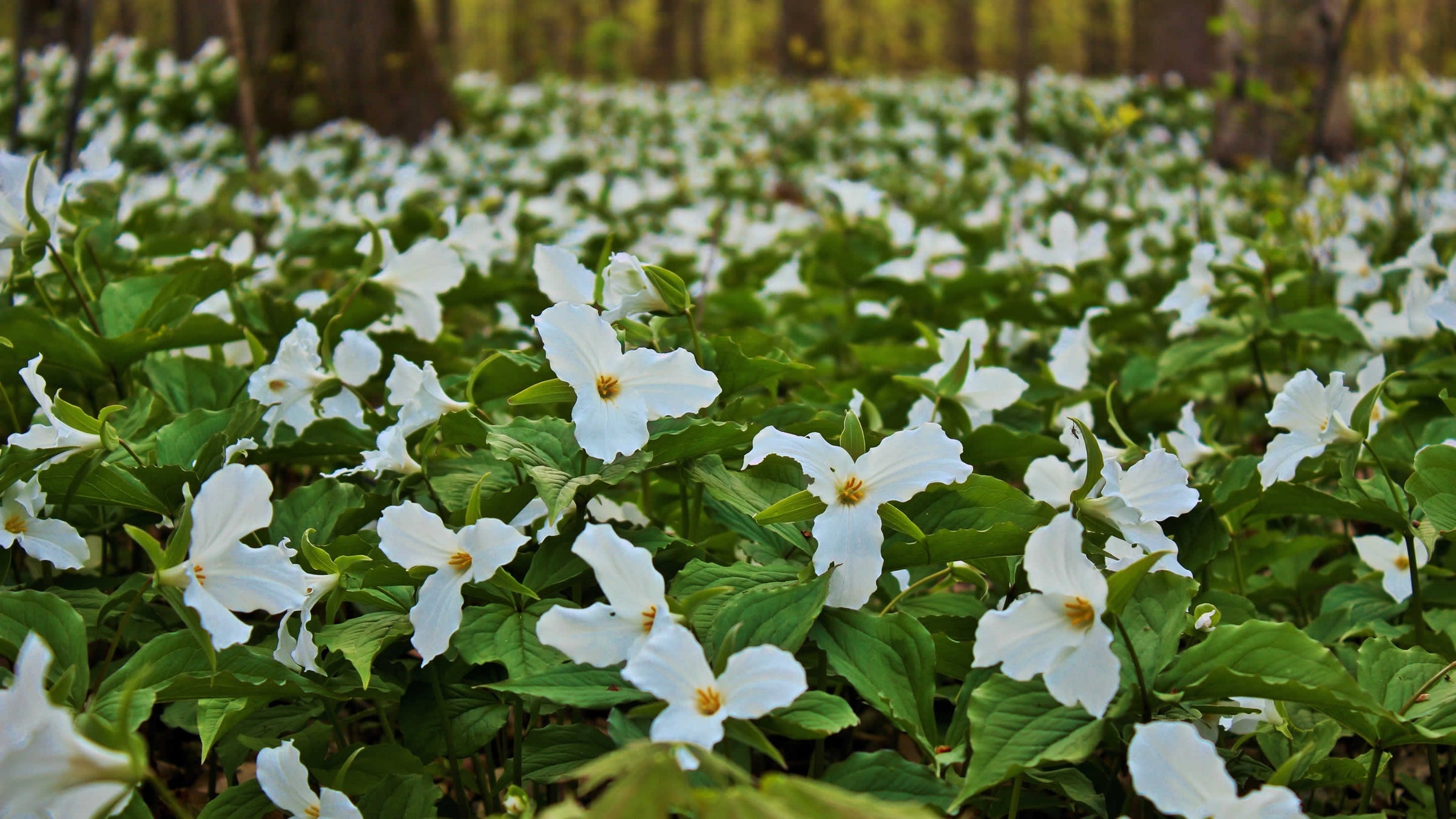
Trillium (Birthroots)
Trillium’s elegant three-petaled blooms (April - May) attract early-spring pollinators such as bumblebee queens (Bombus spp.) and hairy-footed flower bees (Anthophora spp.), drawn to their nectar-rich flowers. The plant’s mottled foliage provides shelter for ground-dwelling invertebrates like beetles and spiders, while its fleshy seeds are dispersed by ants. Thriving in dappled woodland shade, Trilliums pair beautifully with native Hyacinthoides non-scripta (bluebells) to create layered pollinator habitats. Though not native to the UK, their early bloom time and shade tolerance make them valuable for woodland gardens, bridging the gap between winter dormancy and spring abundance


Frequently Asked Questions
When is the best time for autumn planting of spring bulbs?
The ideal time to plant spring flowering bulbs like tulips, daffodils, crocus, and snowdrops is from September to November. Planting during this period allows bulbs to establish roots before winter and ensures a healthy, vibrant bloom in early spring, with stunning green foliage and flower colours ranging from purple and blue to bright yellows and whites.
How long do spring bulbs take to flower?
Most spring bulbs planted in autumn start to flower between February and May, depending on the type. Early bloomers like snowdrops and crocus appear first, while tulips and daffodils follow later in spring, creating a sequential display of colour.
Can I plant different types of spring bulbs together?
Yes! Mixing different bulbs such as tulips, daffodils, and muscari adds something extra in terms of colour and texture to your garden. Planting in clusters or drifts creates a natural, layered effect, letting you get a longer flowering season and a richer display for both you and pollinators.
Do I need to remove foliage after flowering?
Yes, but allow leaves to die back naturally rather than cutting them too early. Leaving the foliage lets the plant save energy, which the bulbs use to produce strong, vibrant flowers come next spring.