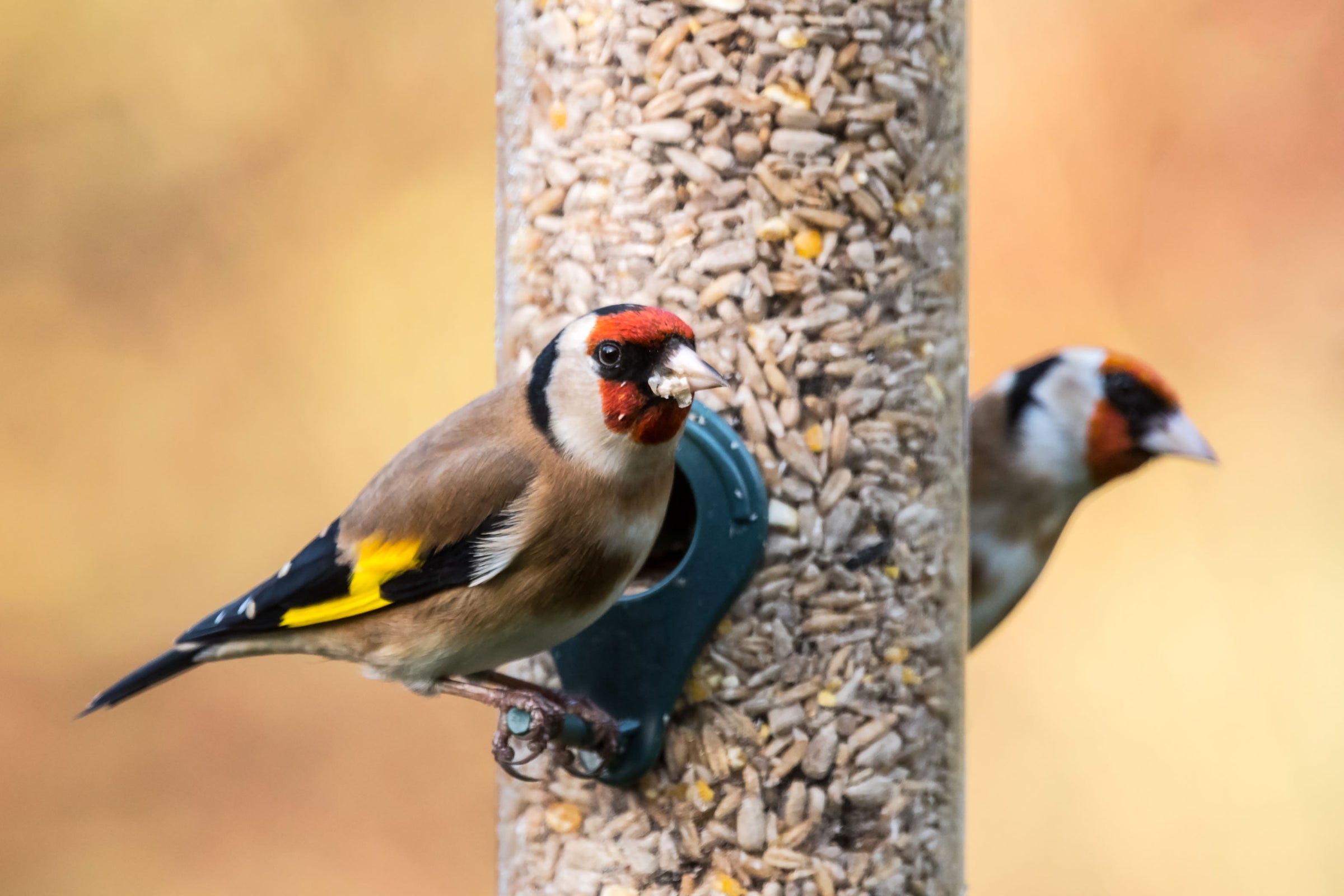
Choosing the Right Wild Bird Seed
The best wild bird seed depends on which birds you want to feed and how much clean up you're willing to do. A good quality seed is energy rich and low on cheap fillers like wheat and loose grain, which most garden birds pick out and drop.
As a rule of thumb:
- For variety: a premium seed mix brings in the widest range of species
- For less mess: husk free or no grow seed cuts waste under the feeder
- For specific birds: single seeds like niger for goldfinches or sunflower hearts for finches and tits
No Mess Bird Seed: Why It's Worth It
Most of the mess under a feeder comes from two things: husks that birds crack off and drop, and spilled seed that sprouts into weeds. No mess bird seed deals with both.
- Husk free seed: the outer shells are already removed, so birds eat everything and there's nothing left to sweep up
- No grow seed: designed not to germinate, so dropped seed won't turn into weeds on your lawn, borders, or patio
- Sunflower hearts: one of the most popular no mess options, high in energy with no husks to drop
No mess seed can cost a little more per bag, but with less waste, more of what you buy actually gets eaten.
Wild Bird Seed Mixes or Single Seeds?
Seed mixes:
- Attract the widest variety of garden birds
- One bag and one feeder covers most visitors
- Best for anyone who wants plenty of different species
Single seeds:
- Target particular birds, like niger for goldfinches
- Less waste from seeds birds don't want
- Best for attracting specific species or running several feeders
Plenty of people use both: a mix in one feeder for variety, and a single seed in another for a favourite visitor. For more blends, see our full range of wild bird food mixes.
What Not to Feed Wild Birds
Kitchen scraps can seem like a kind gesture, but a few common ones do more harm than good. Here's what to leave out, and what to use from the range instead:
- Bread: fills birds up without giving them much nutrition. Sunflower hearts or a premium seed mix give far more energy per bite.
- Salted or roasted nuts: salt is harmful to birds. Stick to unsalted peanuts or nut chips made for garden birds.
- Milk: birds can't digest dairy. Fresh water in a bird bath or shallow dish is all they need to drink.
- Mouldy or stale food: can carry harmful bacteria and fungi. Throw it away, clean the feeder, and refill with fresh seed.
- Chocolate: contains theobromine, which is toxic to birds. Suet chips or fat balls are a safer high energy treat.
- Cooked porridge oats: can harden around a bird's beak. Raw oats are fine in small amounts.
The simplest rule: if it's made for people, it probably isn't made for birds. Proper wild bird seed is balanced for their needs and saves you second guessing what's safe.
What's in Our Wild Bird Seed Range
Seed mixes: premium wild bird seed, honeysuckle seed mix, super fine bird seed, and fruity wild bird feed
No mess seed: husk free bird feed and no grow wild bird seed
Single seeds and nuts: sunflower hearts, black niger seed, peanuts, and nut chips
Suet and fat balls: suet blocks, berry and insect flavour suet chips, plus fat balls in bags and tubs. See all wild bird fat balls and suet wild bird foods
Insect foods: dried mealworms and a robin and blackbird mealworm feast
Looking for live food, feeders, or the full range in one place? Head to our main bird food collection.
Getting the Most From Your Bird Seed
Use the right bird feeders: tube feeders suit seed mixes and sunflower hearts, while niger seed needs a dedicated niger feeder with small ports. Browse our bird feeders to match each seed.
Ground feeders need a spot too: birds like robins, dunnocks, and blackbirds prefer feeding low down, so a bird table or ground tray works well for mixes and mealworms.
Keep it dry: wet seed clumps and goes mouldy quickly. Covered feeders help in rainy spells.
Clean feeders regularly: a quick scrub and full dry stops disease spreading between birds.
Store it properly: keep bags in an airtight container somewhere cool and dry.
Frequently Asked Questions
Will bird seed grow under my feeder?
Standard seed mixes often contain seeds that can sprout once they hit the ground, which is why weeds pop up under feeders. No grow and husk free seed are the easiest way to stop it happening.
What is the best wild bird seed for small birds?
Sunflower hearts suit most small garden birds, including tits and finches, as there's no husk to crack. Goldfinches in particular go for niger seed, which needs a dedicated feeder with small ports.
Can I put wild bird seed out all year round?
Yes. The RSPB supports feeding garden birds year round, as long as feeders are kept clean. Adjust what you put out with the seasons, with higher energy foods like suet and fat balls through autumn and winter.
How should I store wild bird seed?
Keep it in an airtight container in a cool, dry place, away from direct sunlight. Throw away any seed that smells musty, has clumped together, or shows signs of mould or insects.
What bird food do birds like the most?
Sunflower hearts are one of the most widely eaten bird foods, taken by finches, tits, robins, and many other garden birds. For the widest variety of visitors, offer a mix: sunflower hearts, nyjer for finches, suet for winter energy, unsalted peanuts for tits and woodpeckers, and mealworms for robins and blackbirds.