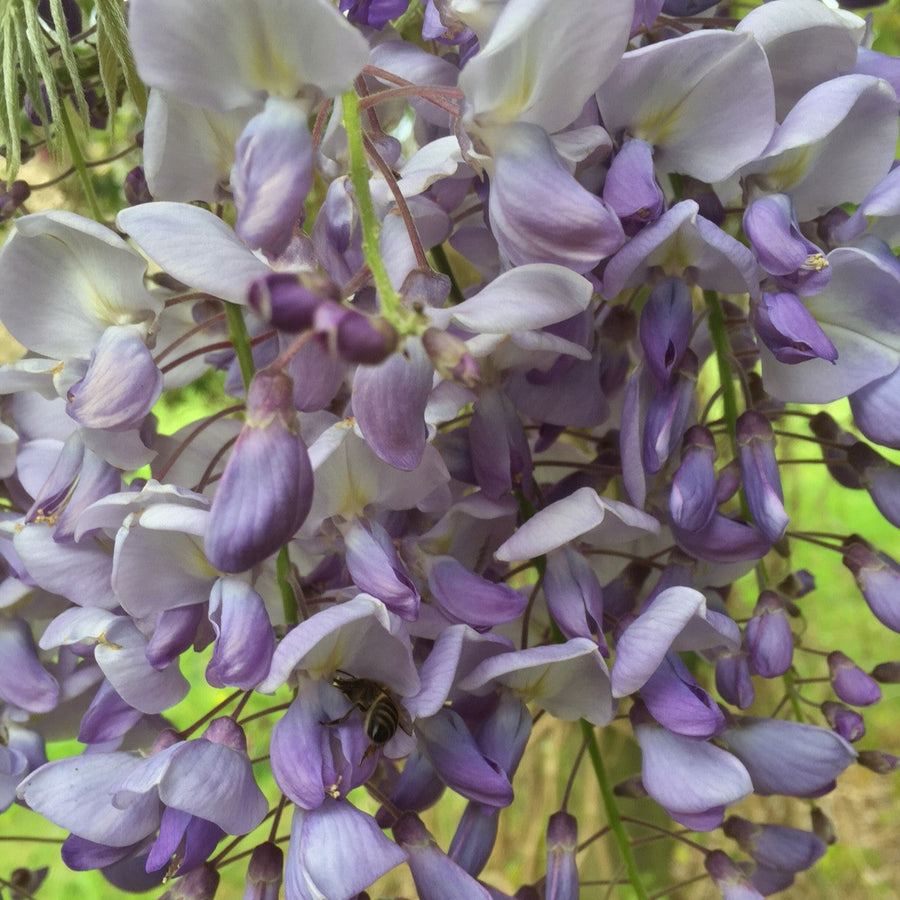
5 Common Wisteria Species for UK Gardens
If you’re looking to grow wisteria at home, these are the common species you’ll most often see in UK gardens and nurseries. Most are grown as named cultivars (rather than “wild type”), so you can choose by flower colour, scent, and timing:
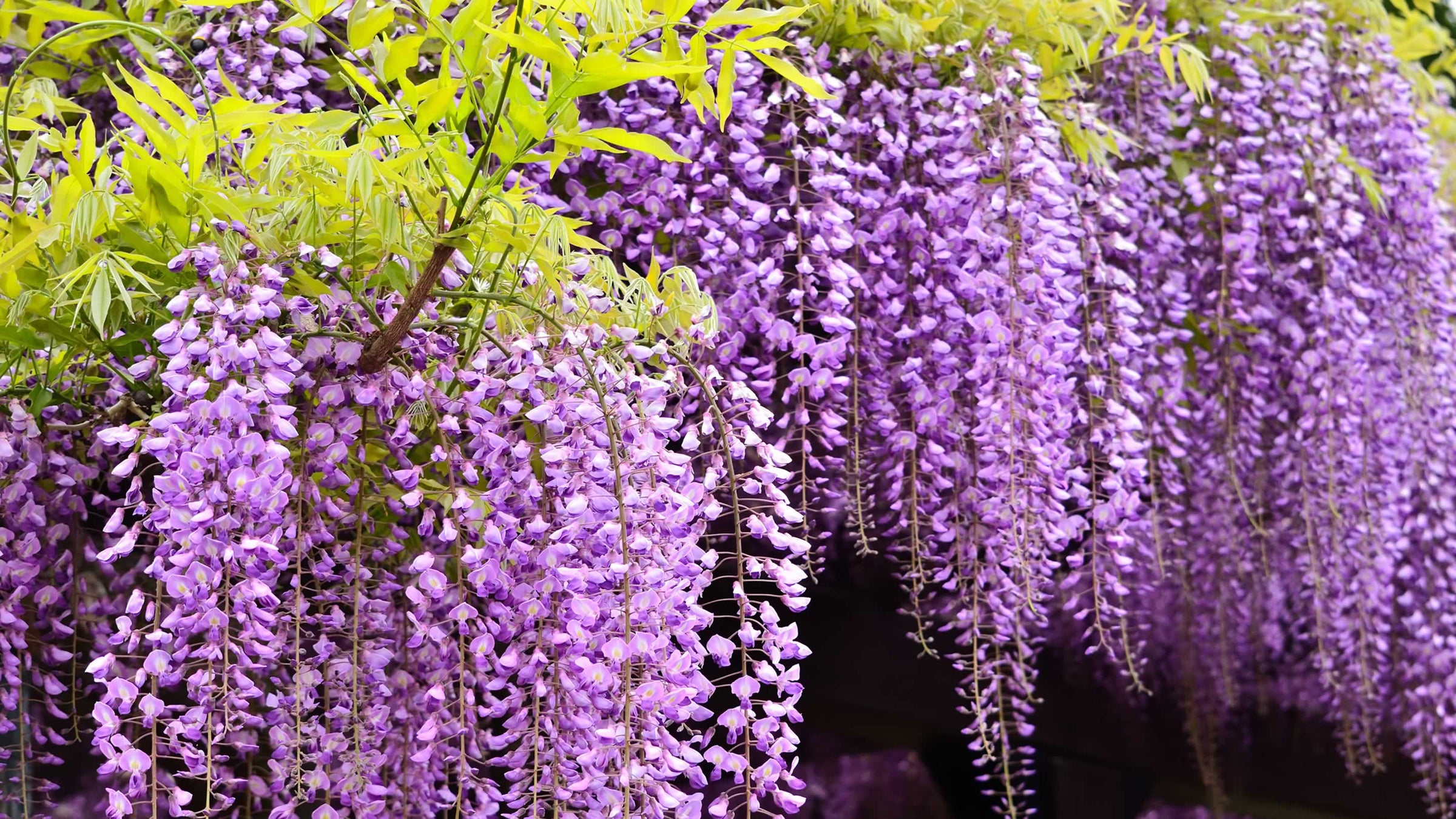
1. Chinese wisteria (Wisteria sinensis): A classic choice that can grow happily on a sunny wall or sturdy pergola, with sweet spring flowers. It’s also known for stems that twine counterclockwise, which can help when you’re training it onto supports.
2. Silky wisteria (Wisteria brachybotrys): Often chosen for its rich fragrance and slightly chunkier, more “plush” flower clusters. A good pick if you want something a little different from the two big-name types, while still being very UK-friendly.
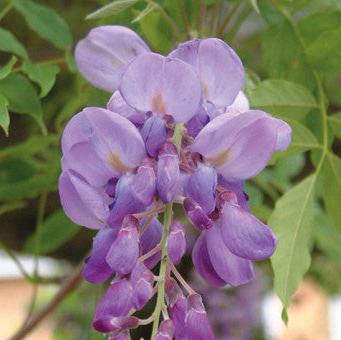
3. Longwood Purple (Wisteria frutescens): A more restrained option that can be easier to manage in smaller spaces, while still giving a lovely floral display. It’s a good choice if you want wisteria impact without quite as much raw vigour.
4. Prolific (Wisteria sinensis): This is a cultivar of Chinese wisteria, valued for its reliable, generous flowering once established. Give it a strong support (it gets heavy), plenty of sun, and a regular pruning routine to help it bloom freely and stay tidy.
5. Japanese wisteria (Wisteria floribunda): Famous for long, showy flower trails and a graceful habit once established. Unlike sinensis, floribunda typically twines the opposite way (clockwise), and many popular forms are selected cultivars.
How to Grow and Maintain Wisteria in UK Gardens
Wisteria can be wonderfully generous in the UK once it’s settled in, but it does have a few “non-negotiables” for reliable flowers. Give it the right spot and a simple routine, and it’ll reward you with scented clusters year after year.
- Start with the right position: Choose full sun and well drained soil for the best flower production and heavier clusters of bloom.
- Plant support matters: Plant where it can climb a sturdy trellis or framework. Mature wisteria gets heavy and needs something solid.
- Water to establish: Water in well, then keep the root area lightly moist through its first growing season so it can settle properly.
- Prune twice for flowers: Prune after flowering in summer, then again in late summer to shorten whippy shoots and encourage next year’s buds.
- If it’s slow to bloom: It may simply need more light, more time to establish, or firmer pruning, especially vigorous Chinese wisteria (sinensis) and Japanese wisteria (floribunda).
Wisteria Training Tips for Strong Growth
Wisteria is one of the world’s largest flowering climbers once mature, so give it a solid framework from day one and train it like you would a fruit tree. Tie new shoots in loosely as the leaves open through spring and summer, then guide stems along wires or a trellis to build a simple “skeleton” over walls, trees, or sturdy shrubs, this keeps growth controlled, boosts flower abundance, and makes pruning far easier come autumn.
Frequently Asked Questions
When is the best time to plant wisteria in the UK?
Autumn or spring are both suitable, as long as the soil isn’t frozen or waterlogged. Planting in autumn often helps roots settle before the next growing season.
How often should I prune wisteria for reliable flowering?
Most gardeners prune twice: once after flowering in summer, then again in late summer to keep shoots tidy and encourage flower buds for next year. Regular pruning also helps control spread and keeps it manageable on walls and trellis supports.
Why isn’t my wisteria flowering yet?
Common causes include too much shade, over-feeding, or the plant still getting established, especially in its early years. Also check whether it’s grafted (often flowers sooner) or grown from seed (can take much longer to bloom).
Will frost damage wisteria in winter?
Wisteria is generally hardy, but late frosts can sometimes nip young shoots or buds in early spring. A sheltered position and avoiding overly early soft growth (from high feeding) helps reduce risk.