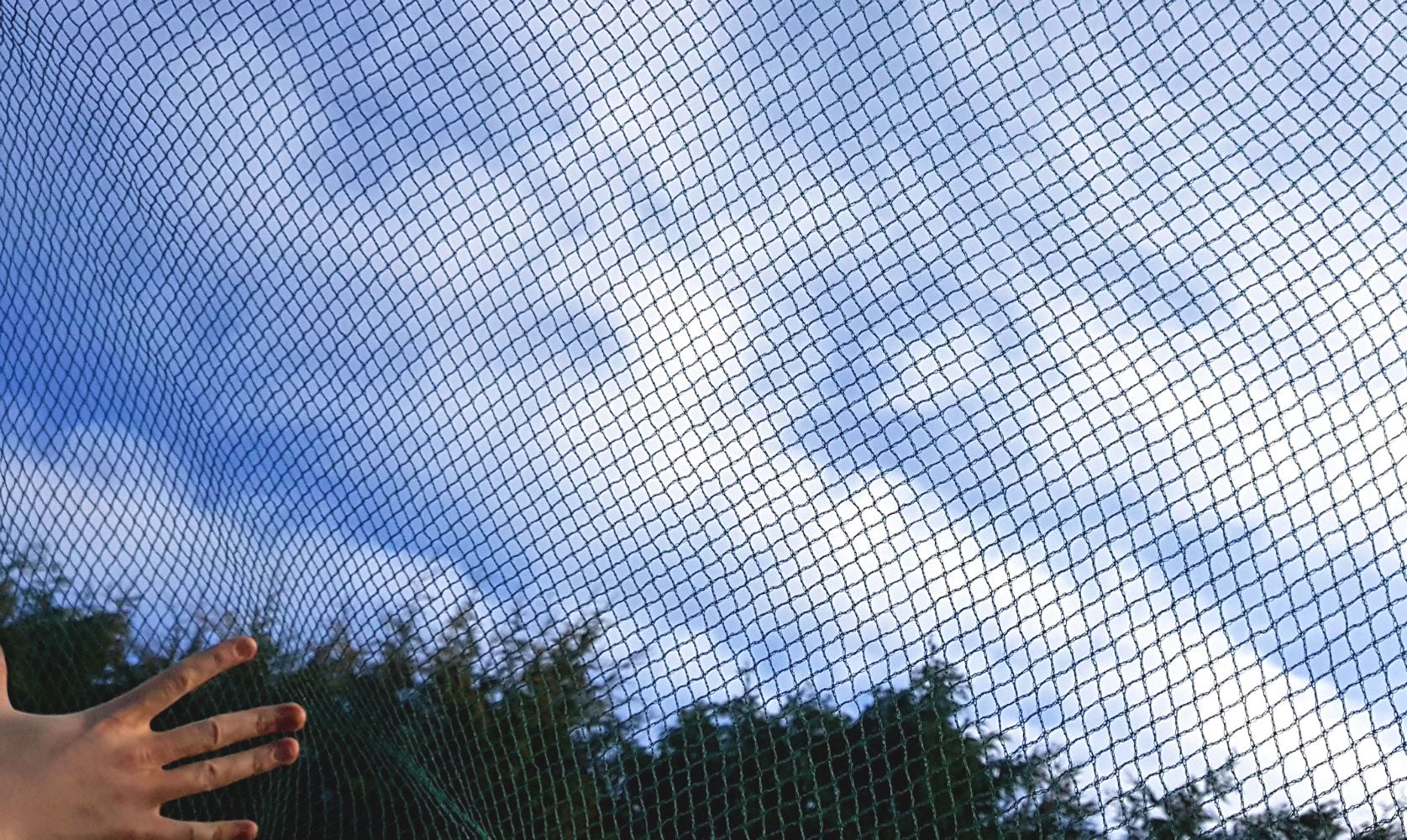
Choosing the Right Garden Netting
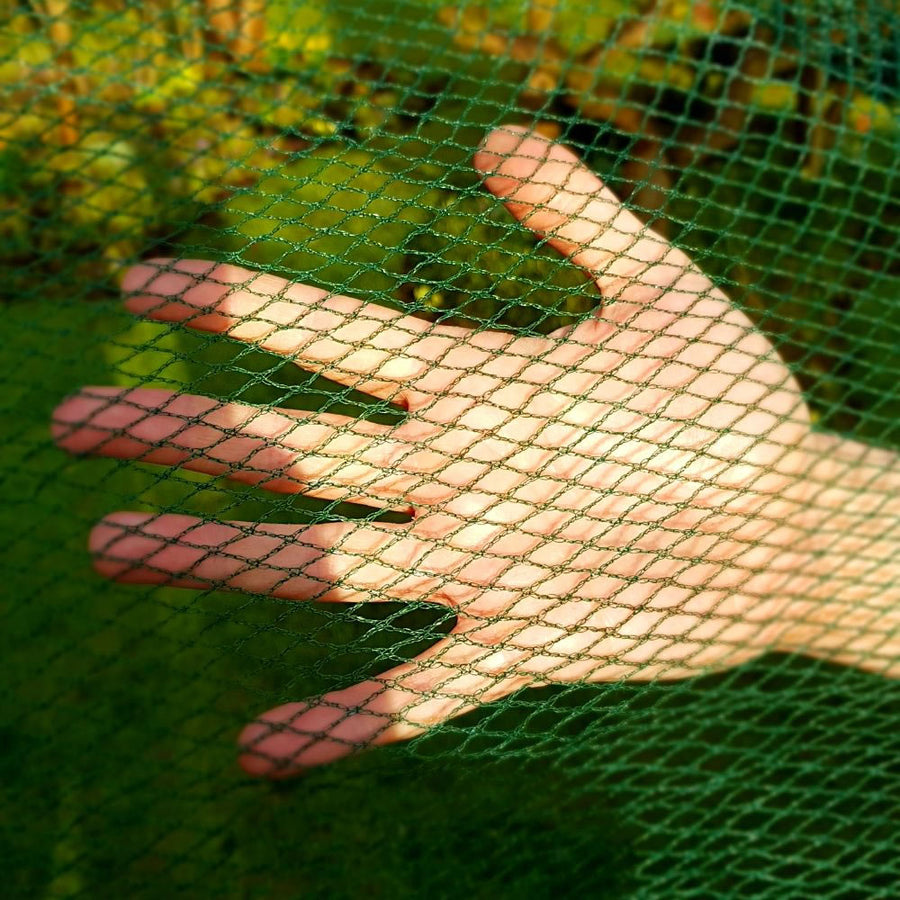
The best protection depends on what you’re growing and what’s causing the damage. A fine mesh can stop insects and caterpillars, while sturdier bird netting helps protect fruit and veg beds from hungry visitors. If you’re unsure, start by matching the mesh size to the pest, then think about how you’ll support the plant cover (frames, hoops, or canes).
Quick self-check:
- What are you protecting? (seedlings, brassicas, fruit, ponds)
- What’s the threat? (birds, rabbits, butterflies/caterpillars, insects)
- Do you need airflow/pollination access? (flowering crops may need timed covering)
Common Uses
A good piece of plant netting earns its keep all year round. Here are the most common ways customers use fleece and netting in the garden:
- Vegetable beds: protect brassicas and leafy crops from insects and nibbling wildlife.
- Fruit cages / soft fruit: reduce losses from birds while keeping airflow high.
- Seedlings & young plants: fleece adds a gentle buffer against wind and cold snaps.
- Ponds: help deter herons and reduce leaf litter in autumn.
Mesh Size Guide
Use this as a simple starting point, then adjust based on your garden setup and the local wildlife you’re trying to protect:
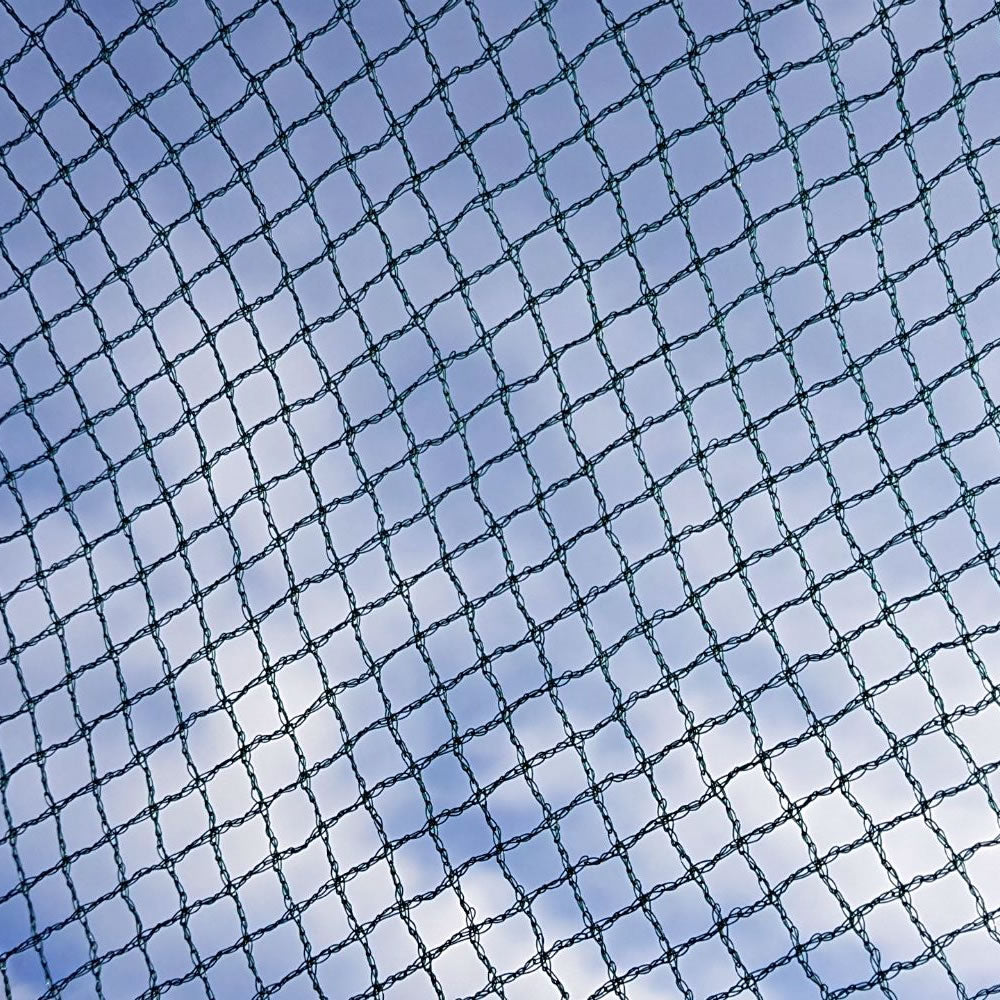
If you’re dealing with small insects or caterpillars, fine insect netting is your best bet because the tighter mesh helps block pests while still letting light and rain through.
For brassicas (like cabbage-family crops), butterfly netting or a fine mesh is ideal, as it helps prevent butterflies from laying eggs on your plants in the first place.
If birds are the main issue around fruit and veg, go for bird netting to create a reliable physical barrier without trapping heat around your crops.
And when the problem is chilly nights or exposed, windy beds, garden fleece is a simple way to add a layer of protection and help young plants settle in and establish.
How to Fit Netting (Without Hassle)
A few small setup tweaks make a big difference to results, and help keep the garden safe for wildlife too.
- Support it properly: use hoops, canes, or frames so netting sits above leaves.
- Secure the edges: peg down or weigh with boards so birds can’t sneak underneath.
- Keep it taut: loose netting is more likely to snag or flap in the wind.
- Leave access points: make it easy to lift and check crops (you’ll do it more often).
- Check daily in peak season: quick checks help spot damage early and keep everything tidy.
Care & Storage Tips
Good quality netting lasts for years with simple care. At the end of the season, shake off debris, let it dry fully, then fold and store it somewhere cool and dry to help prevent mould and tangling.
Handy tip: label rolls by use (bird netting, insect netting, fleece) so you can grab the right one quickly next time.
Frequently Asked Questions
What’s the difference between insect netting and bird netting?
Insect netting uses a finer mesh to block smaller pests like insects and caterpillars. Bird netting is typically more open, designed to keep birds off crops while maintaining airflow.
Will netting stop butterflies laying eggs on my brassicas?
Yes, fine mesh (often sold as butterfly or insect netting) is a great way to protect brassicas by preventing egg-laying on leaves.
Can I cover plants all day, or do I need to let pollinators in?
For crops that need pollination, cover them when protection is most needed, then lift or remove during flowering windows so pollinators can access blooms.
How do I stop netting from harming wildlife?
Use a supported frame, keep netting pulled tight, and secure edges well, then check regularly so birds or other animals can’t become tangled.