Birds benefit from a consistent food supply year-round. High-calorie foods such as suet and peanuts help maintain body heat during winter. Spring and summer feeding supports breeding birds and their young, while autumn feeding helps birds build energy reserves for migration and colder months.
At Garden Wildlife, we offer a wide range of bird food to attract and nourish birds in your garden. Whether you're looking for wild bird seed, garden bird food, or specialized mixes, you'll find the best selection right here.
Which Bird Food Attracts the Most Birds?
Different birds prefer different seeds and feeds. Here’s a quick guide:
Bird Species
Preferred Food
Robins
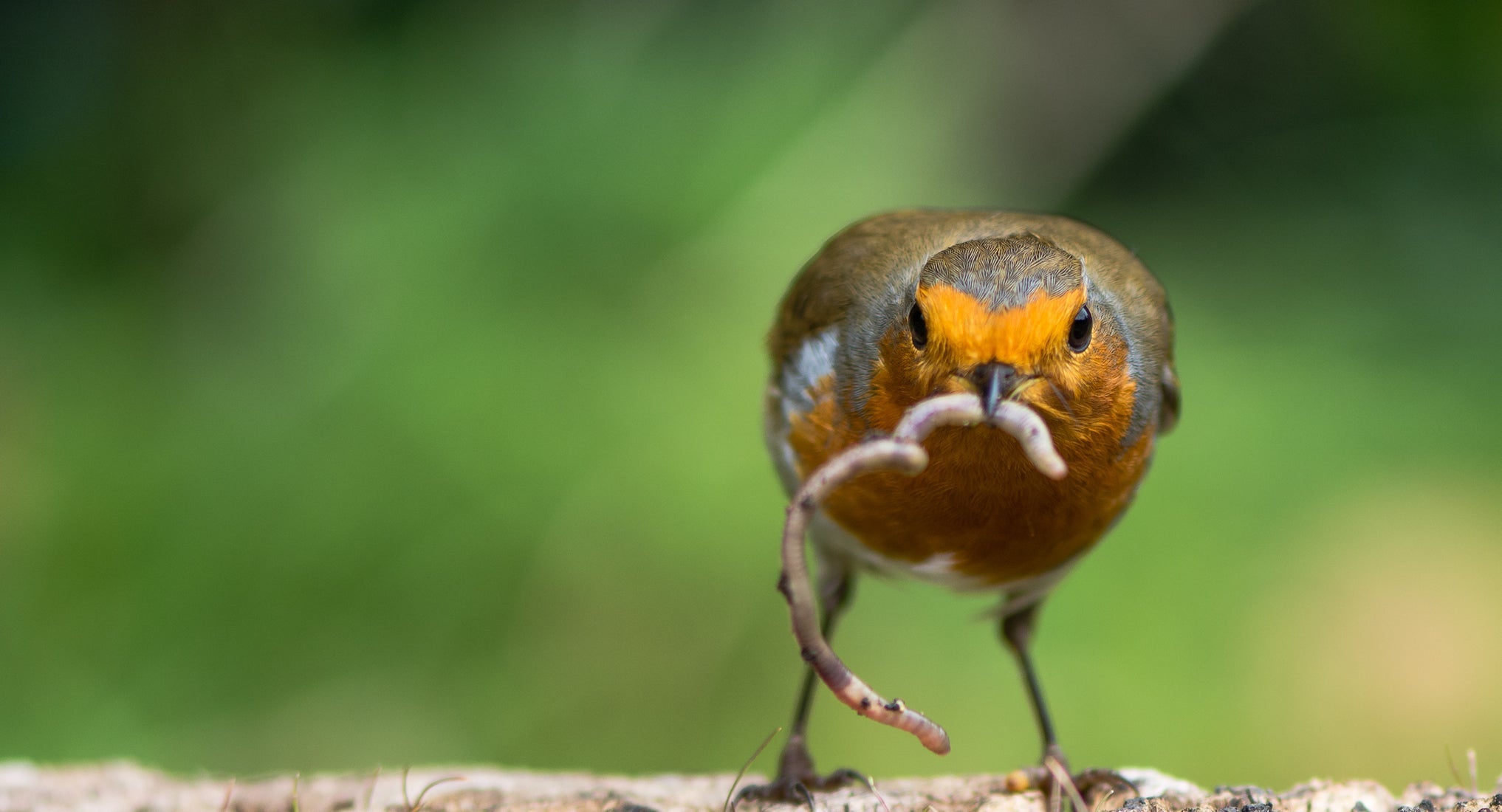
Mealworms, sunflower hearts
Blue Tits
Peanuts, suet pellets
Blackbirds
Soft fruits, mealworms
Finches
Nyjer seed, sunflower hearts
Sparrows
Mixed bird seed, millet
Seed Mixes or Single Seeds: Which Is Right for Your Garden Birds?
Choosing between seed mixes and single seeds depends on the types of birds you want to attract and how much control you want over their diet. Here’s a comparison to help you decide:
Type
Pros
Cons
Best For
Seed Mixes
- Attracts a variety of birds - Provides a balanced diet - Convenient and easy to use
- May contain fillers birds discard - Some seeds may be wasted if birds pick favorites
Bird watchers who want diverse species in their garden.
Single Seeds
- Target specific bird species - Reduces waste from unwanted seeds - Ideal for selective eaters
- Less variety, so fewer bird species visit 👀- May require multiple feeders for different birds
Those who want to attract specific birds or minimize waste.
For a well-rounded approach, consider using both options—a quality seed mix for variety and specific seeds like nyjer seed for finches or sunflower hearts for robins to attract particular species.
Check out our Bird Feeders Collection for options.
What Is the Best Healthiest Seed Mix for Wild Birds?
The best bird seed mix depends on the birds you want to attract and the season. High-quality mixes contain energy-rich ingredients without fillers. Look for blends with sunflower seeds, peanut granules, and suet pellets to attract a diverse range of species.
Seed Type
Best For
Benefits
Sunflower Hearts
Finches, tits, robins
High-energy, mess-free
Peanuts
Tits, woodpeckers, sparrows
Protein-rich, ideal for winter
Suet Pellets
All garden birds
High-calorie, boosts energy levels
Millet
Sparrows, dunnocks, finches
Small seeds for easy feeding
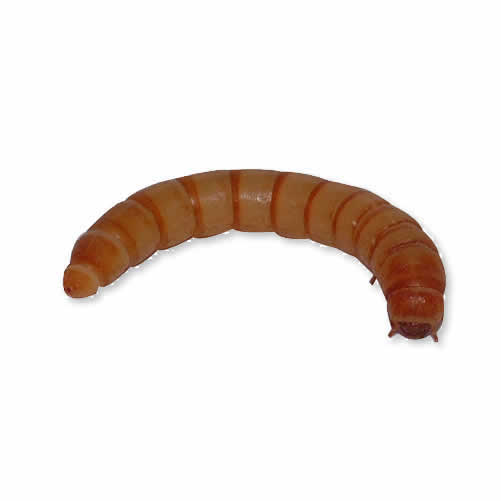
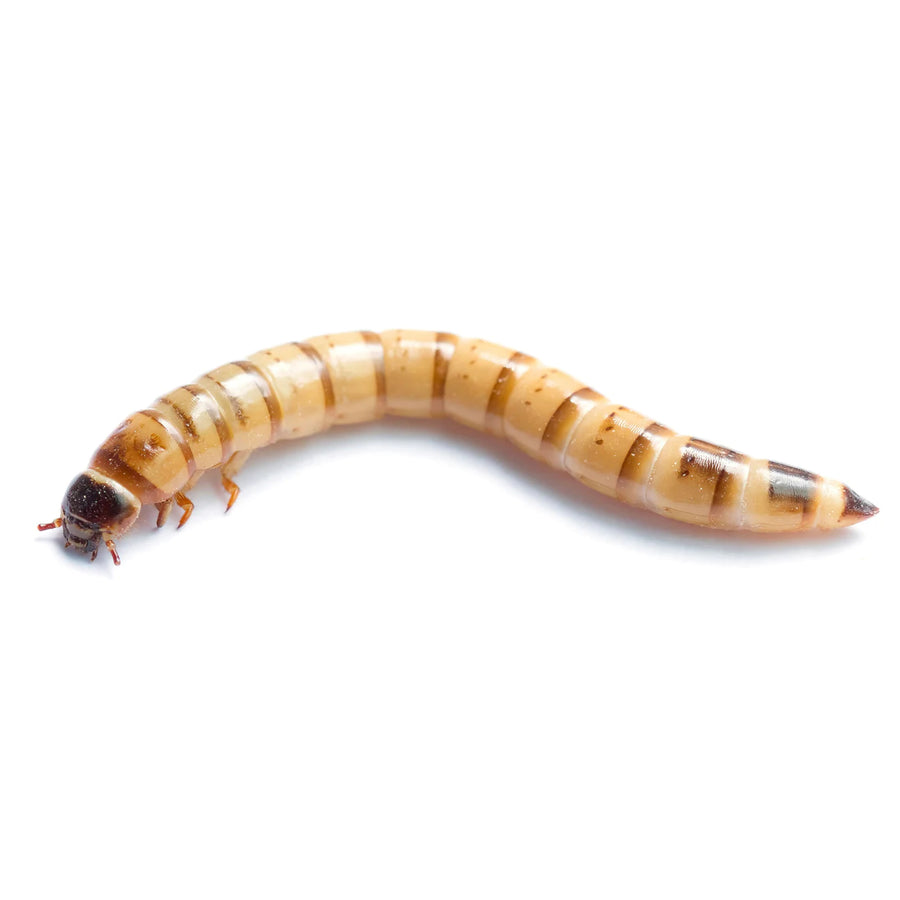
Mealworms
Robins, blackbirds, wrens
Protein for breeding season
How to Store Bird Food for Freshness?
Proper bird food storage ensures it stays nutritious, fresh, and free from pests. Poor storage can lead to mold, spoilage, or infestations, making it unsafe for birds. Follow these tips to keep your bird food fresh:
✅ Use Airtight Containers – Prevents moisture, pests, and contamination.✅ Store in a Cool, Dry Place – Protects seeds and pellets from mold and spoilage.✅ Keep Away from Direct Sunlight – Avoids heat exposure, which can cause rancidity.✅ Buy in Manageable Quantities – Purchasing in bulk is cost-effective, but only if you have proper storage.✅ Check for Expiry & Signs of Spoilage – Discard any food that smells bad, clumps together, or has signs of insects.
By following these steps, you’ll maximize freshness, reduce waste, and keep garden birds healthy all year round!
Where to Place Bird Feeders
Proper feeder placement is key to attracting more birds:
- Position feeders in quiet, sheltered areas.
- Place feeders away from strong winds to keep food dry.
- Use squirrel-proof feeders to prevent food theft.
- Regularly clean feeders to prevent the spread of diseases.
If you are looking for cheap wild bird food without compromising on quality, Garden Wildlife is the best place to buy bird food online, offering top-rated options for every garden bird. Shop today and enjoy fast, reliable delivery across the UK.
Why Do Birds Throw Seeds Out of a Feeder?
If you've noticed birds tossing seeds from your bird feeder, you’re not alone. Birds can be surprisingly picky eaters, and their behavior often has practical reasons. Understanding why this happens can help you reduce waste and attract more birds to your garden. Common Reasons Birds Throw Seeds & How to Prevent It
Reason
Why It Happens
How to Prevent It
Sorting for Preferred Seeds
Birds pick out the highest-quality seeds and discard the rest.
Use high-quality seed mixes without fillers like wheat or rice.
Low-Quality Seed Mixes
Some commercial mixes contain grains that many birds avoid.
Choose premium wild bird seed with sunflower hearts and nyjer seeds.
Overcrowded Feeder
Too many birds lead to food spillage as they jostle for space.
Provide multiple bird feeders to spread out feeding areas.
Wind or Feeder Design
Open feeders allow seeds to be easily blown out.
Use a covered or tube feeder to minimize seed loss.
Birds Trying to Crack Seeds
Some birds remove husks and drop the outer shell.
Offer hulled sunflower seeds or other no-waste options.
By choosing better bird food and adjusting your bird feeder setup, you can minimize waste while keeping garden birds well-fed and happy.
How Can You Attract More Birds to Your Garden?
- Use the Right Bird Feeder: Pair bird food with suitable bird feeders.
- Provide Fresh Water: Set up a bird bath for hydration.
- Install Safe Nesting Spaces: Encourage regular visits with quality bird boxes.
- Ensure a Safe Environment: Place feeders in secure locations to protect birds from predators.
Seasonal Feeding Guide for Wild Birds
Birds' dietary needs change throughout the year, depending on weather conditions and breeding cycles. Providing the right bird food in each season helps them stay healthy and energetic.
Season
Recommended Bird Food
Why It’s Important
Winter
Suet pellets, peanuts, sunflower hearts
Birds need high-fat, high-energy foods to survive cold temperatures.
Spring
Mealworms, soft-seed mixes, insect-rich blends
Supports breeding birds and helps feed nestlings with protein-rich food.
Summer
Sunflower hearts, high-energy seed blends
Easy-to-digest foods provide quick energy without excessive effort.
Autumn 🍂
Fat balls, mixed seeds, peanut granules
Helps birds store energy for the colder months ahead.
Offering season-appropriate bird feed ensures your garden birds get the right nutrition all year round. Pair this with suitable feeders to make feeding easy and effective!
What Should I Not Feed to Wild Birds?
Feeding birds the wrong food can harm their health. Some common household scraps and unsuitable foods may lack nutrients, be hard to digest, or even be toxic. Here’s what to avoid and what to offer instead:
Food to Avoid
Why It’s Harmful
Safe Alternative
Bread
Lacks essential nutrients; can cause malnutrition.
Sunflower hearts, suet pellets, mealworms
Salted or Roasted Nuts
High salt content is toxic for birds.
Unsalted peanuts, peanut butter (no salt/sugar)
Milk
Birds can't digest dairy; may cause digestive issues.
Fresh water, soaked mealworms for moisture
Moldy Leftovers
Can contain harmful bacteria and toxins.
Fresh fruit pieces, seed mixes, soaked raisins
Raw Rice
Difficult to digest, especially for smaller birds.
Cooked rice (unsalted), oats, grain mixes
Chocolate
Contains theobromine, which is toxic to birds.
Dried fruit (no added sugar), berries
Providing nutritious bird food ensures that wild birds get the energy and nutrients they need to thrive in your garden. Stick to high-quality wild bird food for a safe and healthy feeding experience.
Why Won’t Birds Come to My Feeder?
If birds are avoiding your feeder, consider these factors:
- Feeder Placement – Ensure it’s in a quiet, safe location.
- Food Quality – Low-quality or stale food deters birds.
- Predators Nearby – Birds avoid areas with frequent predator activity.
- Hygiene – Dirty feeders spread disease, discouraging visitors.
How Can I Feed Birds Without Attracting Other Wild Animals?
Keeping bird food away from unwanted visitors like rats, squirrels, and larger mammals is important for maintaining a clean and safe feeding area. Here are some effective ways to prevent attracting other wildlife:
- Hang Feeders Off the Ground – Use a hanging feeder on a pole or tree to keep food out of reach.
- Install a Seed Catcher Tray – Attaching a tray beneath feeders prevents seeds from falling to the ground.
- Choose a Bird Table with a Roof – Elevated feeding areas make it harder for pests to access food.
- Clean Up Regularly – Sweep away spilled seeds to avoid attracting rodents.
- Use Squirrel-Proof Feeders – These are specially designed to prevent access to food.
Essential Bird Feeding Accessories
You're going to need somewhere to feed the birds! Check out our bird feeders and accessories:
Buying bird food online from a trusted bird food supplier ensures freshness and quality. At Garden Wildlife, we offer:
- Bargain bird food deals without compromising quality.
- Bird seed online with free delivery on qualifying orders.
- A wide selection of cheap wild bird food to fit any budget.