Types of Garden Water Features
Browse our range of wildlife-friendly water features, from cost effective to premium, to bring movement and calm to any space. Whether you prefer a clean, contemporary finish or a natural stone look that blends into the planting, there's an ideal water feature for most spaces and styles.
- Birdbath bowls: Simple shapes, easy to place on a patio or among plants. Choose traditional stone, ceramic or plastic that holds water.
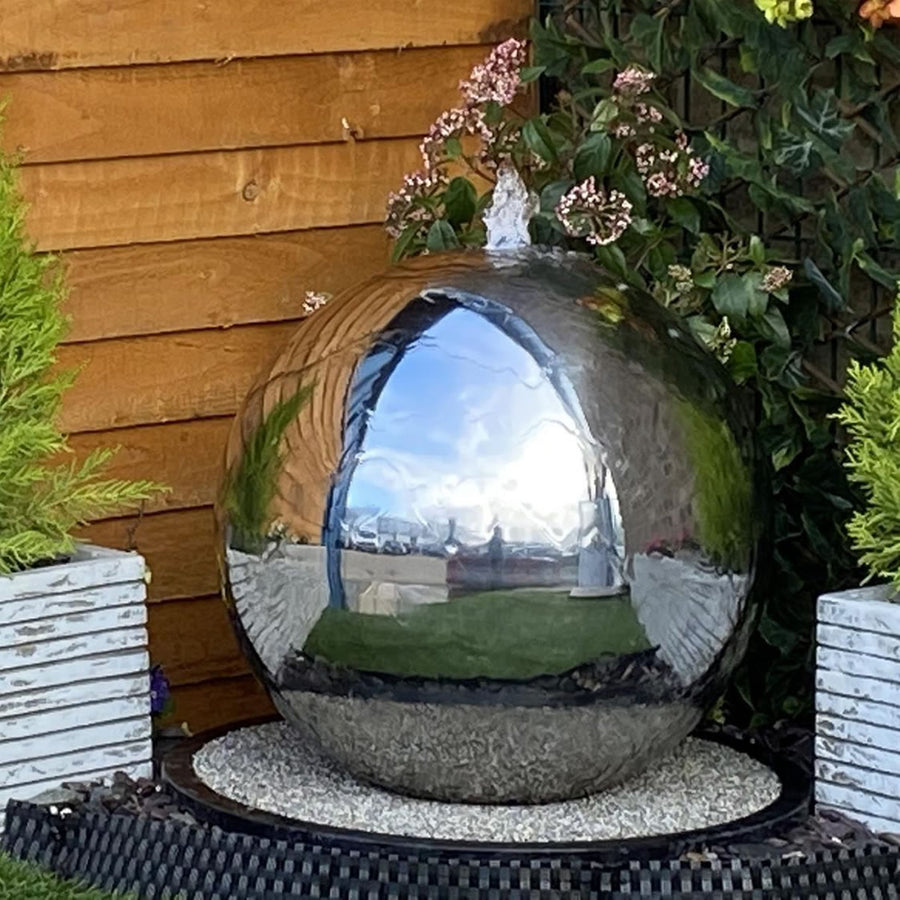
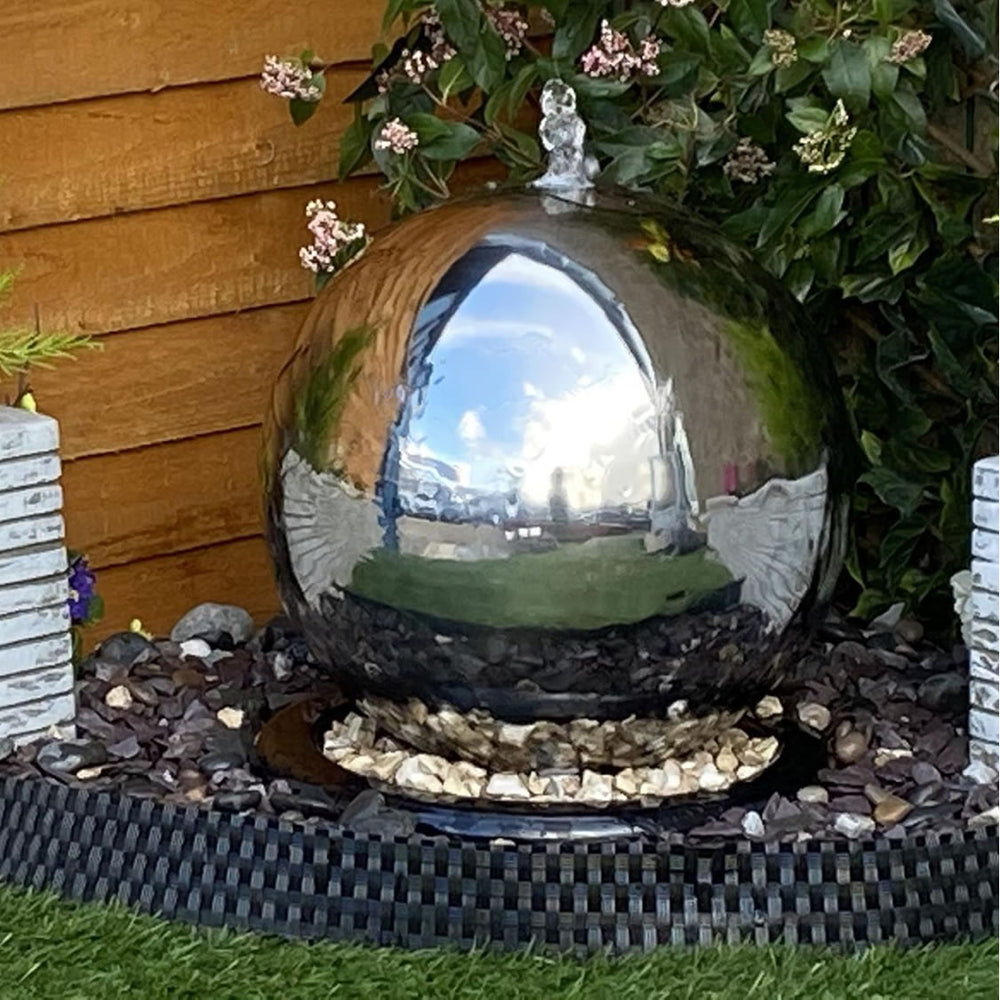
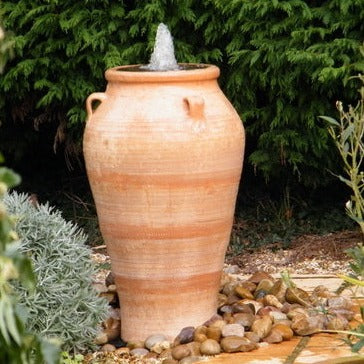
- Cascading water fountain: A self-contained fountain with flowing water that helps deter algae. Great for small spaces that want sound without a full pond.
- Pondless waterfall: A disappearing stream or waterfall effect that returns to a hidden reservoir provides ambience with less open water and lower maintenance (ideal where safety is a priority).
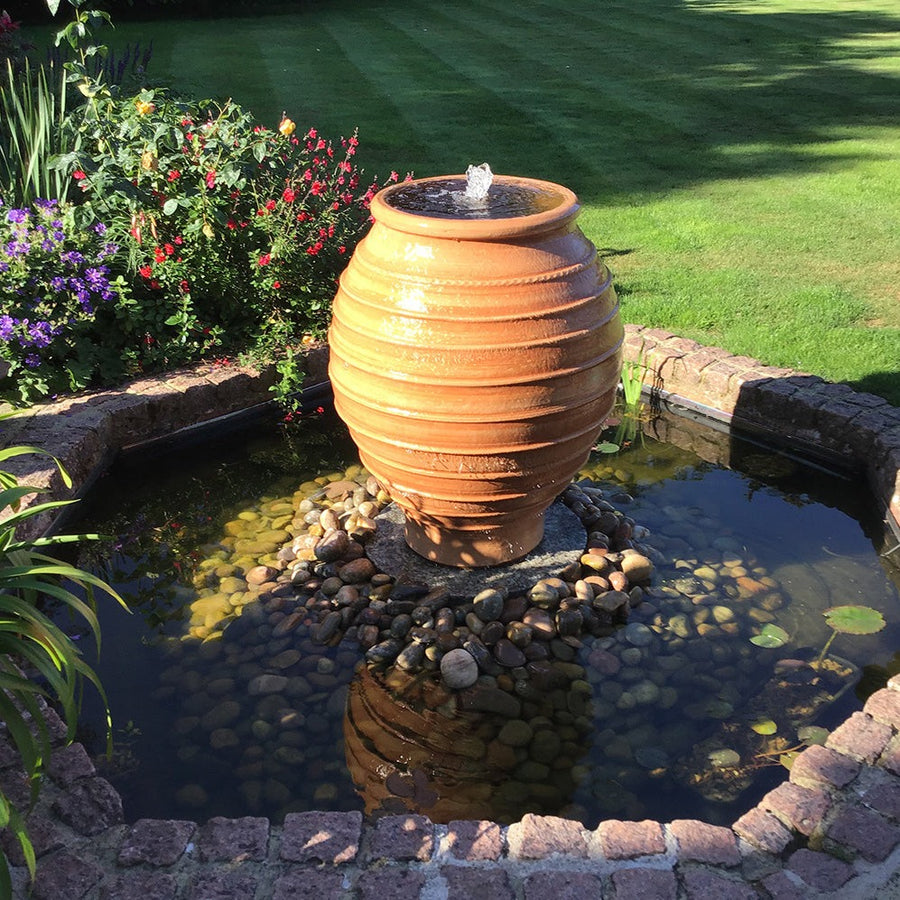
- Mini wildlife pond: Choose features that resemble nature and hold water, then add oxygenators and soft marginal plants in mesh baskets (use aquatic soil, not compost). The result is a pond that blends seamlessly with the landscape.
Siting & Setup
With a little planning, your wildlife water feature or bird bath can be the beating heart of the garden, an inviting stop where birds, butterflies, frogs, and other visitors can rest, drink, and thrive.
Consider the following when choosing the perfect spot:
- Choose the spot: Pick somewhere visible from the house, on level ground, and partially in the sun so birds can enjoy it and algae is easier to manage.
- Prepare the base: Firm the area with compacted sand or slabs so the feature sits level.
- Fill & finish: Fill with rainwater (best) or tap water; add rinsed pebbles and a few logs or stones to create shallow edges and an exit ramp.
- Power options: Many features run on low-voltage electricity or solar. If you go wired, ensure outdoor-rated cabling and an RCD; for solar, check panel orientation.
Simple Care & Algae Control
Keep your birdbath or water feature looking attractive with a simple care plan: each week, top up the water (it evaporates fast), wipe the rims, and check the pump and filter.
Once a month, empty and rinse the pool or reservoir, brush away biofilm, and refresh any filter media. To curb algae, set your feature where dappled shade and gently flowing water enhance clarity, remove fallen leaves, and avoid over-feeding fish nearby. These steps work just as well in the back garden as for smaller indoor features.
4 Design Tips for Supporting Wildlife
- Keep at least one shallow zone (2-5 cm) for small birds and pollinators.
- Provide an exit route (flat stones, ramp, or textured edge) to protect amphibians and hedgehogs.
- Avoid slippery rims; rough pebbles or textured edges improve footing.
- For planting, use aquatic soil in mesh baskets and top with rinsed gravel to stop clouding.
Frequently Asked Questions
Can I use tap water, or is rainwater better?
Rainwater is gentler for wildlife and helps reduce limescale, but tap water is fine too. Just fill your fountain and allow a day for chlorine to dissipate before heavy use.
Do I need electricity to run a fountain?
Not always. Solar units are popular. Mains-powered features offer reliable flowing water; if you use mains, ensure outdoor-rated cable and RCD protection.
What’s the easiest way to prevent algae?
Site in light dappled shade, keep the water running, skim debris, and give it a quick rinse regularly. Avoid nutrient build-up from soil or leaves.
Will a water feature attract frogs and other animals?
Yes, water features tend to invite amphibians and pollinators. Provide an exit route and avoid steep, sheer sides if possible.