

Flowering Bulbs in September
September is the most important month in the bulb calendar for UK gardeners. Summer is winding down, the soil is still warm from the season just passed, and a huge range of spring and early summer flowering bulbs are ready to go straight in the ground. Plant now and your garden will have the best possible foundation for colour from January through to June. Leave it too late, and you lose that warm-soil advantage that makes establishment so much faster and more reliable.
Quick wins in September:
- The main window opens for daffodils (Narcissus), which can go in from September through to November
- Right time to plant anemone corms for spring colour in borders and containers
- Ideal month for muscari, colchicum, and cyclamen
- Good window for woodland rhizomes like Mertensia virginica and Podophyllum peltatum while still dormant
- Start of the tulip planting season, with October and November being peak time
- Warm soil supports fast root establishment before winter sets in
What Bulbs Can You Plant in September?
September suits the widest variety of bulbs of any month. The collection here spans everything from classic spring bedding bulbs like daffodils and tulips through to more unusual woodland rhizomes and autumn-interest plants. Most are dormant now and ready to go straight in the ground, where they will spend autumn and winter quietly establishing before pushing up growth from late winter onwards.
In September, look out for bulbs that:
- Are classified as autumn-planting (check each product page)
- Flowers in late winter, spring, or early summer
- Suit well-drained soil or containers with good drainage, particularly tulips, anemones, and iris
- Match your light levels, whether full sun, partial shade, or shade for woodland varieties
Top 5 Bulbs for September Planting
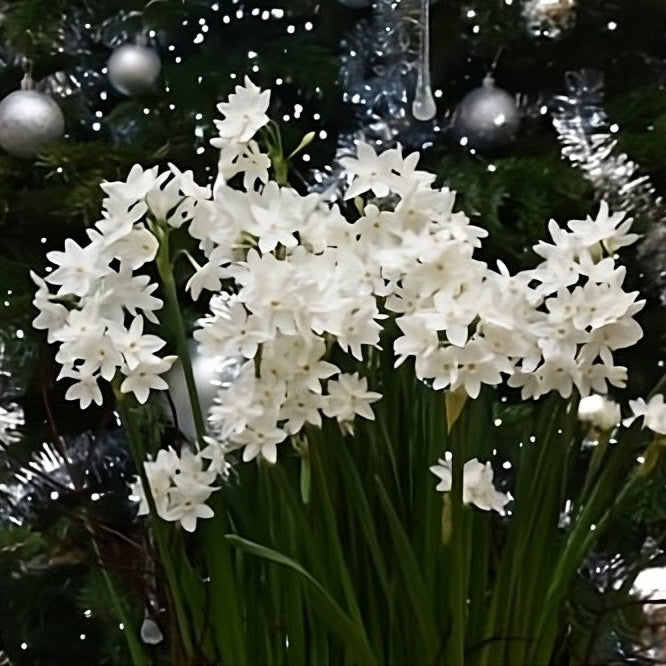
Narcissus (Daffodils): September marks the opening of the main daffodil planting window, and getting them in early pays off. Planting in warm soil encourages fast root development before the cold sets in, which translates directly to stronger flowering the following spring. Plant at a depth of roughly two to three times the height of the bulb in well-drained soil. Naturalise well and improve year on year.
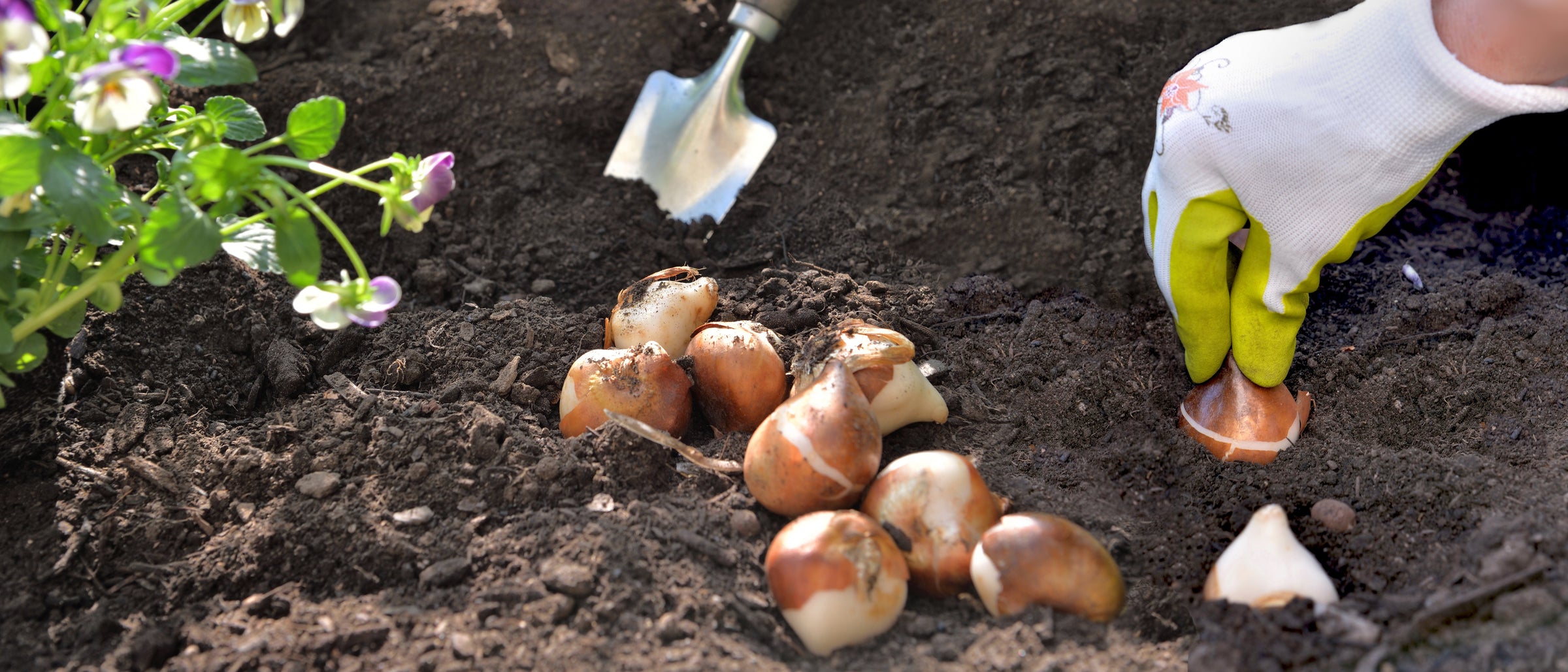
Tulipa (Tulips): Planting early in September is fine in most UK gardens, particularly in free-draining soil where there is less risk of the bulbs sitting wet before temperatures drop. The range includes double, fringe, and lily-flowered varieties in rich colours from deep purple to vivid orange. Plant at around 15-20cm depth in full sun.
Anemone coronaria: These corms go in during autumn for late winter and spring flowers in jewel-bright colours. Soak corms overnight before planting to rehydrate them, then plant at around 5-8cm depth in well-drained soil in sun or partial shade. Good for cutting and long-lasting in a border display.
Muscari (Grape Hyacinth): Muscari are one of the most reliable and low-maintenance bulbs you can plant in September. Plant in sun or partial shade in well-drained soil at around 5-8cm depth. Works well at the front of a border, in containers, or naturalised in grass.
Mertensia virginica (Virginian Bluebells): These dormant rhizomes go in during late summer and early autumn for mid-spring flowers. Plant in a shaded or partially shaded spot with reliably moist, fertile soil. Clusters of nodding, tubular blue flowers appear in mid spring before the plant dies back completely by early summer, making it a useful gap-filler for shaded borders that are quiet in spring. Plant as soon as rhizomes arrive, and do not let them dry out in storage.
Planting Tips for September Bulbs
September planting is generally straightforward, but with such a wide range of varieties going in at once, it is worth knowing the key differences between them.
Plant daffodils early for the best results: Narcissus planted in September establishes faster than those planted in November. The warm soil encourages root development straight away, which means better flowering and stronger clumps from the first season.
Hold tulips until late September at the earliest: Tulips are best planted when soil temperatures begin to cool, ideally below 10°C, which reduces the risk of tulip fire disease, in most UK gardens, that means late September through to November. If you plant in early September, choose a well-drained spot and avoid heavy or waterlogged soil.
Soak anemone corms before planting: Anemone coronaria corms can be very hard and dry when they arrive. Soaking them in water for a few hours before planting helps rehydrate them and gets them off to a faster start. Plant with the pointed end down if you can identify it; if not, plant on their side, and they will find their own way.
Good drainage is non-negotiable for most varieties: Tulips, anemones, and muscari are all prone to rot in wet or poorly drained soil. Work grit into heavy ground or plant in containers with free-draining compost.
Do not let woodland rhizomes dry out: Mertensia and Podophyllum rhizomes dry out quickly once lifted. Plant them as soon as possible after they arrive, and keep the soil consistently moist after planting.
Aftercare Made Simple
Most September-planted bulbs need very little attention once in the ground. The main job is keeping moisture consistent through any dry autumn spells, particularly for woodland varieties that need moist conditions to establish well.
For daffodils and muscari, water in after planting and then leave them to settle. Do not cut back any foliage that appears through autumn or winter; allow it to die back naturally in spring so the bulbs can build energy for the following year.
For tulips planted in September, check after heavy autumn rain that the soil is draining freely. Waterlogging at this stage is the most common cause of failure. In very wet gardens, lifting tulips after flowering and storing them dry over summer is worth considering.
For anemones, a light mulch over winter in exposed or colder gardens helps protect the corms until they are well established. Once shoots appear in late winter or early spring, no further protection is needed.
Frequently Asked Questions
Is September too early to plant tulips?
Late September is fine for most varieties in most UK gardens, particularly in free-draining soil. Earlier than that carries a slightly higher risk of disease in warm, wet conditions. If you are keen to get started, late September is a safe middle ground; October and November are peak time for most gardeners.
What spring bulbs can I plant in September?
September suits a wide range, including daffodils, anemones, muscari, colchicum, cyclamen, Mertensia virginica, and Podophyllum. It is also the start of the tulip planting window. Most spring-flowering bulbs that go in during autumn can be planted from September onwards.
What is the best soil for September-planted bulbs?
Most varieties need well-drained soil enriched with a little organic matter or compost. Tulips, anemones, and muscari are particularly sensitive to waterlogging. Woodland rhizomes like Mertensia and Podophyllum are the exception: they need consistently moist, humus-rich soil in a shaded position. If your garden soil is slow to drain, containers and raised beds give you much more control.
Can I plant daffodil bulbs in September?
Yes, and September is actually one of the better times to do it. Planting in warm soil gives daffodil bulbs a head start on root development before winter. The result is stronger, better-established clumps and reliable flowering from late winter onwards.
Which autumn-flowering bulbs can I plant in September?
Colchicum and cyclamen are the standout autumn-flowering bulbs to plant in September. Colchicum corms can produce flowers within weeks of planting, pushing blooms up through bare soil in September and October before any foliage appears. Cyclamen hederifolium also flowers in autumn and will often bloom in its first season if planted early enough. Everything else in the September collection, including daffodils, tulips, and anemones, will flower from late winter through spring after establishing over winter.