Flowering Bulbs in March
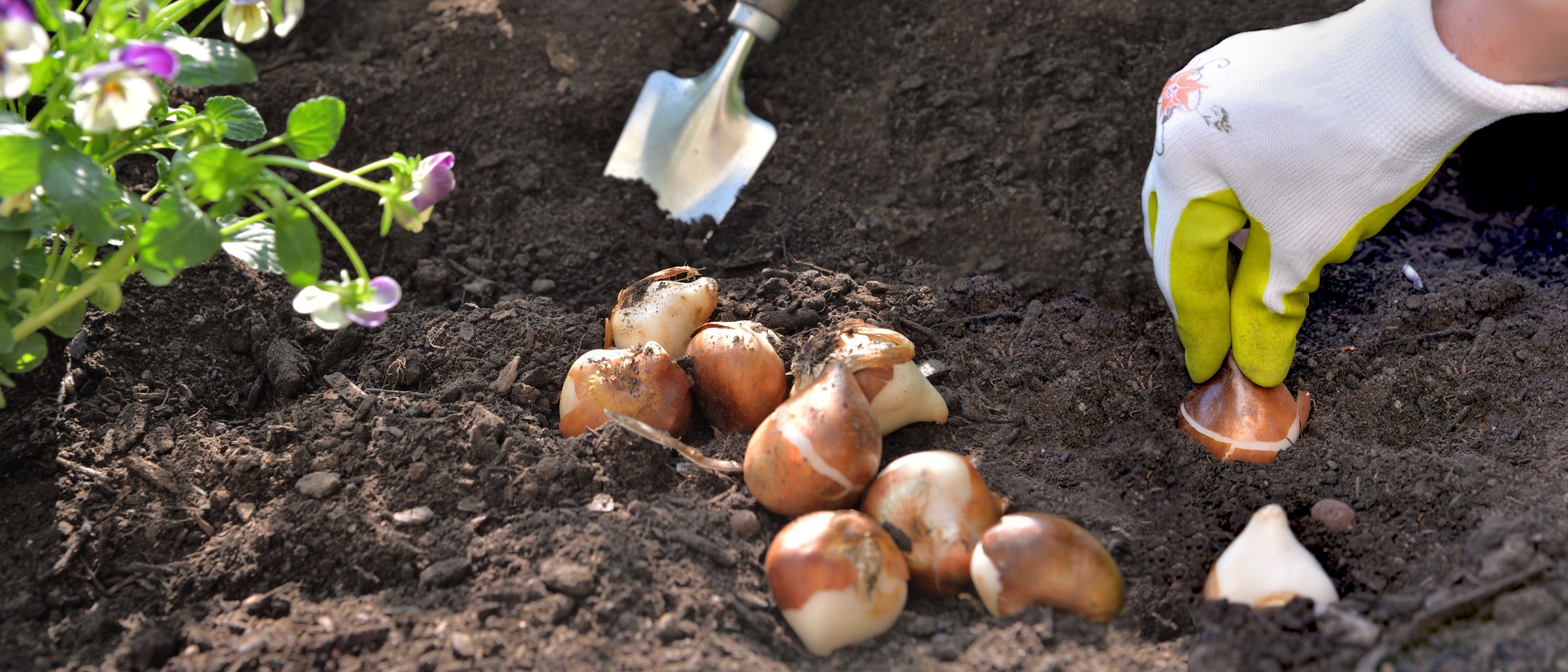
March planting is all about momentum. As the weather starts to lift, you can get summer colour on the way by planting bulbs as soon as the soil is workable (or popping them into pots or planters if the ground is still cold and wet).
Quick wins in March:
- Great for pots, borders, and gaps where you want fast impact.
- Ideal if you missed earlier planting windows.
- Perfect for building a staggered display that keeps flowering through the warmer months.
What Bulbs Can You Plant in March?
Not all bulbs suit cold, soggy ground, so March is best for varieties that enjoy a spring start and will bloom later in the season.
In March, look out for bulbs that:
- Are sold as ready to plant now (check each product page)
- Prefer warming soil and a longer growing season
- Thrive in containers if your garden soil is heavy
Top 5 Bulbs for March Planting
Lilium martagon ‘Snowy Morning’: A graceful lily with arching stems that suits partial shade and looks right at home in cottage gardens, flowering in early summer.
Lycoris radiata: A real scene-stealer that adds bold colour later in the year; give it a sunny location in a bed or pot and it’ll reward you with standout blooms when many summer bulbs are hitting their stride.
Hedychium densiflorum: A lush, leafy choice that brings a tropical feel to borders; best in a sheltered spot with consistent moisture, and a lovely way to brighten beds through the summer long season.
Lilium regale ‘Album’: Classic trumpet lilies with tall stems, superb scent, and brilliant cut flowers for summer bouquets.
Hedychium coronarium: Fragrant, elegant, and a gorgeous backdrop plant; pop it in full sun (or light shade) and protect the crown in winter for a reliable, repeat show in warmer months.
Planting Tips for March Bulbs
A little prep makes a big difference, especially in changeable spring weather.
- Check drainage: If the soil is sticky or waterlogged, plant in pots or improve the area with grit/compost.
- Plant to the right depth: A simple rule is 2–3x the bulb’s height, unless the product instructions say otherwise.
- Choose sun where possible: Most plant bulbs perform best with good light as shoots appear.
- Water in, then ease off: Water after planting, but don’t keep soil soaked, as excessive cold and wet conditions can cause rot.
- Mulch lightly if frosts return: A thin layer helps protect new shoots.
Aftercare Made Simple
Once shoots appear, aftercare for summer bulbs is refreshingly simple: keep the compost just evenly moist (never soggy), especially in pots, hanging baskets, and windy spots, and rotate containers now and then so stems grow straight and don’t lean for the sunlight.
If your summer flowering bulbs are in beds, make sure they’re in well drained soil enriched with a little compost or organic matter so roots stay healthy as the soil begins to warm. Feed lightly once growth is active (pots need it most), then deadhead spent flowers to keep your summer garden looking tidy and blooming longer. When the show is over in late summer, let the foliage fade naturally so those underground storage organs can recharge for next year.
Frequently Asked Questions
Can I plant bulbs in March if it’s still cold?
Yes. Plant on milder days when the soil isn’t frozen or waterlogged, or use pots so bulbs can establish in better conditions.
Should I plant March bulbs in pots or the ground?
If your soil drains well, either works. If it’s heavy or wet, pots are usually the safer choice for healthier roots.
How long do bulbs planted in March take to flower?
It depends on the type, but many March-planted bulbs are geared towards late spring and summer colour. Check our product pages for expected bloom time.
What if new shoots get hit by frost?
Most will cope, but a light mulch or moving pots to a sheltered spot overnight can prevent damage during cold snaps.