






Fritillaria (Fritillaries)
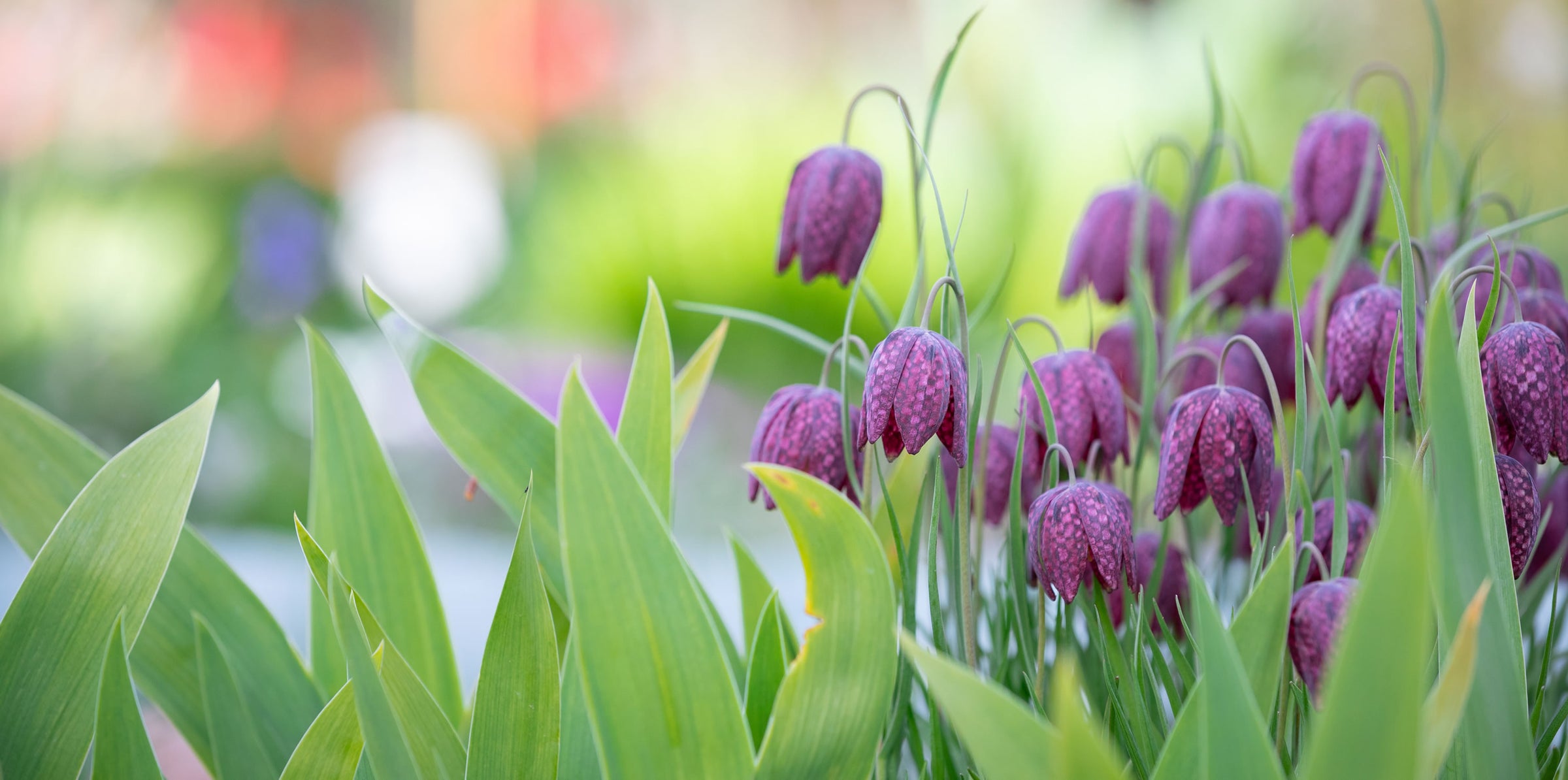
Fritillaria species, including the snake’s head fritillary (F. meleagris), provide early spring nectar for bumblebees (Bombus terrestris) and solitary bees (Andrena spp.), their checkered flowers acting as visual guides for pollinators. The UK-native F. meleagris thrives in damp meadows, supporting rare moths like the Polymixis lichenea larvae. Crown imperials (F. imperialis) repel voles with their scent, protecting nearby bulbs. Planted in drifts under deciduous trees or in wildflower lawns, fritillaries naturalise beautifully, offering pollen and shelter for ground beetles, a perfect bridge between ornamental gardening and ecosystem restoration.


Frequently Asked Questions
When is the best time for autumn planting of spring bulbs?
The ideal time to plant spring flowering bulbs like tulips, daffodils, crocus, and snowdrops is from September to November. Planting during this period allows bulbs to establish roots before winter and ensures a healthy, vibrant bloom in early spring, with stunning green foliage and flower colours ranging from purple and blue to bright yellows and whites.
How long do spring bulbs take to flower?
Most spring bulbs planted in autumn start to flower between February and May, depending on the type. Early bloomers like snowdrops and crocus appear first, while tulips and daffodils follow later in spring, creating a sequential display of colour.
Can I plant different types of spring bulbs together?
Yes! Mixing different bulbs such as tulips, daffodils, and muscari adds something extra in terms of colour and texture to your garden. Planting in clusters or drifts creates a natural, layered effect, letting you get a longer flowering season and a richer display for both you and pollinators.
Do I need to remove foliage after flowering?
Yes, but allow leaves to die back naturally rather than cutting them too early. Leaving the foliage lets the plant save energy, which the bulbs use to produce strong, vibrant flowers come next spring.