Buy Galanthus &

Galanthus 'Snow fox' Bulbs

Price
Regular price £5.49
Regular price Sale price £5.49
Save
/
Delivery from £4.99 within 3- 5 days
Bulbs
  • In stock, ready to ship
Tax included. Shipping calculated at checkout.

Galanthus 'Snow fox' Bulbs

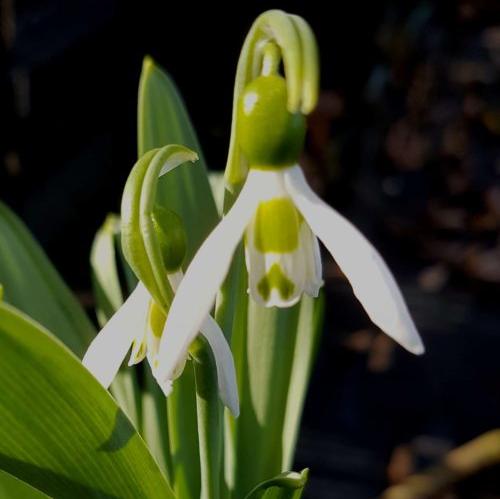
Galanthus 'Snow fox' is a perennial bulb that grows up to 20cm in height and features wide, grey-green leaves. It produces nodding flowers in late winter and early spring, often in pairs. The flowers have an olive green ovary, ridged outer petals, and inner petals with a square green blotch at the base and an inverted v-shape at the tip.

Plant Galanthus 'Snow fox' in shady or partially shady areas for optimal growth. These plants thrive in various soil types and should be planted at a depth of 2-3 inches with a spacing of 1 inch between each bulb. To maintain healthy growth, divide and transplant clumps after the foliage has died down following the flowering season.

Planting Time: August - September

Flowering Time: January - March

Max height: 15-20cm


Frequently Asked Questions

When is the best time for autumn planting of spring bulbs?

The ideal time to plant spring flowering bulbs like tulips, daffodils, crocus, and snowdrops is from September to November. Planting during this period allows bulbs to establish roots before winter and ensures a healthy, vibrant bloom in early spring, with stunning green foliage and flower colours ranging from purple and blue to bright yellows and whites.

How long do spring bulbs take to flower?

Most spring bulbs planted in autumn start to flower between February and May, depending on the type. Early bloomers like snowdrops and crocus appear first, while tulips and daffodils follow later in spring, creating a sequential display of colour.

Can I plant different types of spring bulbs together?

Yes! Mixing different bulbs such as tulips, daffodils, and muscari adds something extra in terms of colour and texture to your garden. Planting in clusters or drifts creates a natural, layered effect, letting you get a longer flowering season and a richer display for both you and pollinators.

Do I need to remove foliage after flowering?

Yes, but allow leaves to die back naturally rather than cutting them too early. Leaving the foliage lets the plant save energy, which the bulbs use to produce strong, vibrant flowers come next spring.


Reviews

You may also like
Recently viewed