






Bog Plants
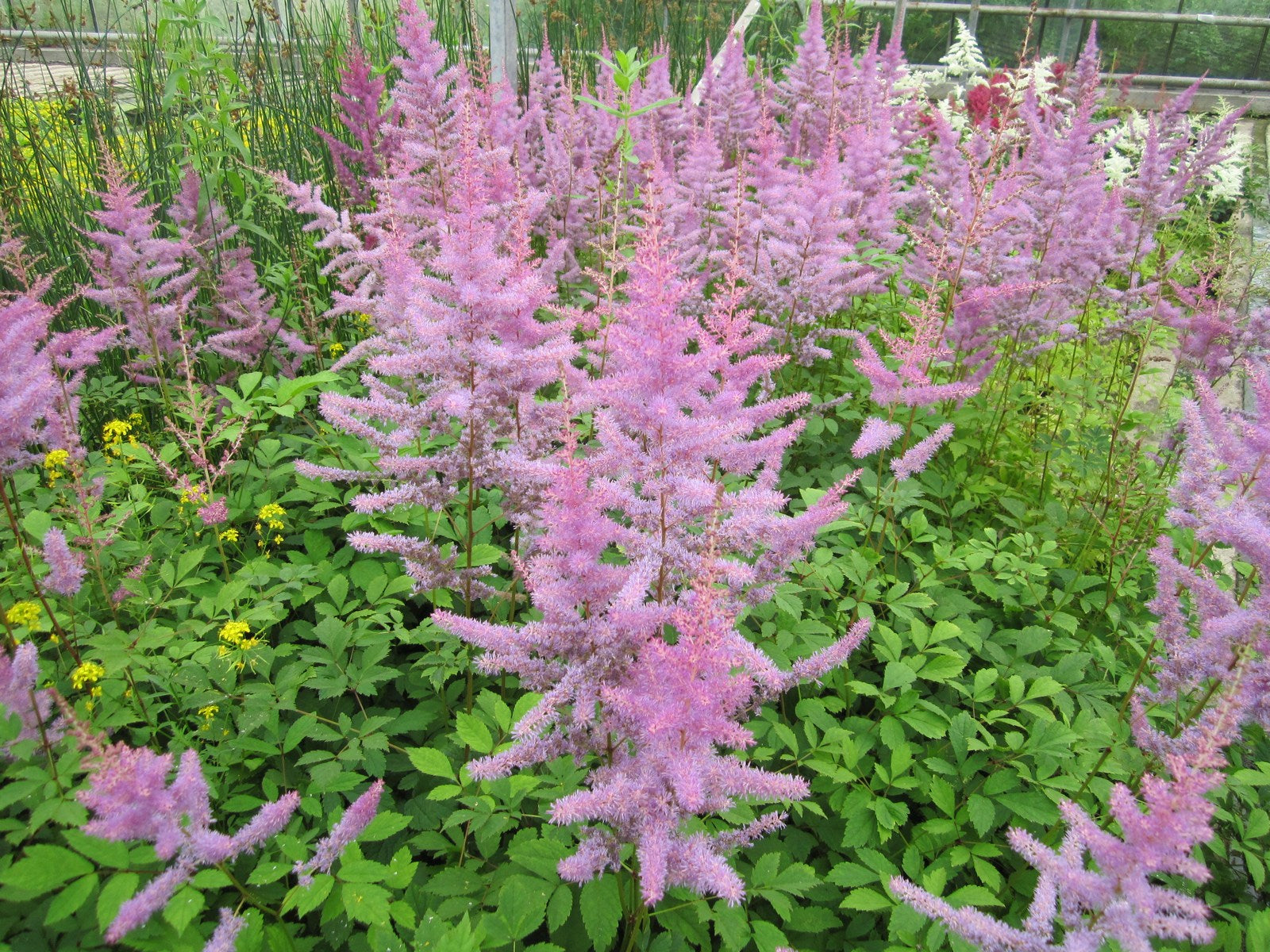
Bog plants are made for those damp, tricky spots where wet soil sits heavy and a conventional border just won’t thrive. Perfect for a bog garden or the edge of a pond, these moisture loving plants create a lush transition between land and water without needing standing water. If you are exploring how to create a bog garden, they are a great place to start, bringing both structure and seasonal interest to wetter areas. Expect early spring colour from natives like marsh marigold, alongside long periods of interest from fresh green foliage. Once established, bog plants also offer shelter for wildlife and support pollinators, turning waterlogged ground into a beautiful, thriving habitat all year.



Frequently Asked Questions
Do bog garden plants need full sun?
Not always. Many thrive in part shade, especially ferns and bold-leaved plants, while others prefer more sun for better flowering. If you’re unsure, mix a variety and watch what performs best in your garden.
When is the best time to plant bog garden plants?
Spring and early autumn are ideal, when the ground is workable and plants can settle in before extremes of heat or frost. Many will establish faster if the soil stays consistently moist in the first few weeks.
Can bog garden plants grow in a container?
Yes. A container bog is a brilliant option for small spaces, patios, or awkward corners. Use a watertight pot, keep it topped up in dry spells, and choose compact, moisture-loving plants.
How do I stop a bog garden from becoming smelly or stagnant?
A bog should be wet soil, not standing water, so include light drainage and avoid over-compacting the mix. Clear fallen leaves in winter and add a little gravel or planted cover to keep the surface fresh and tidy.
When is the best time to buy pond plants in the UK?
Spring is the ideal time to add plants to your pond, as warmer temperatures encourage strong growth. We suggest purchasing between mid-February and March, to give your pond plants plenty of time to establish roots and adapt to their new environment before summer.