






Marginal Plants
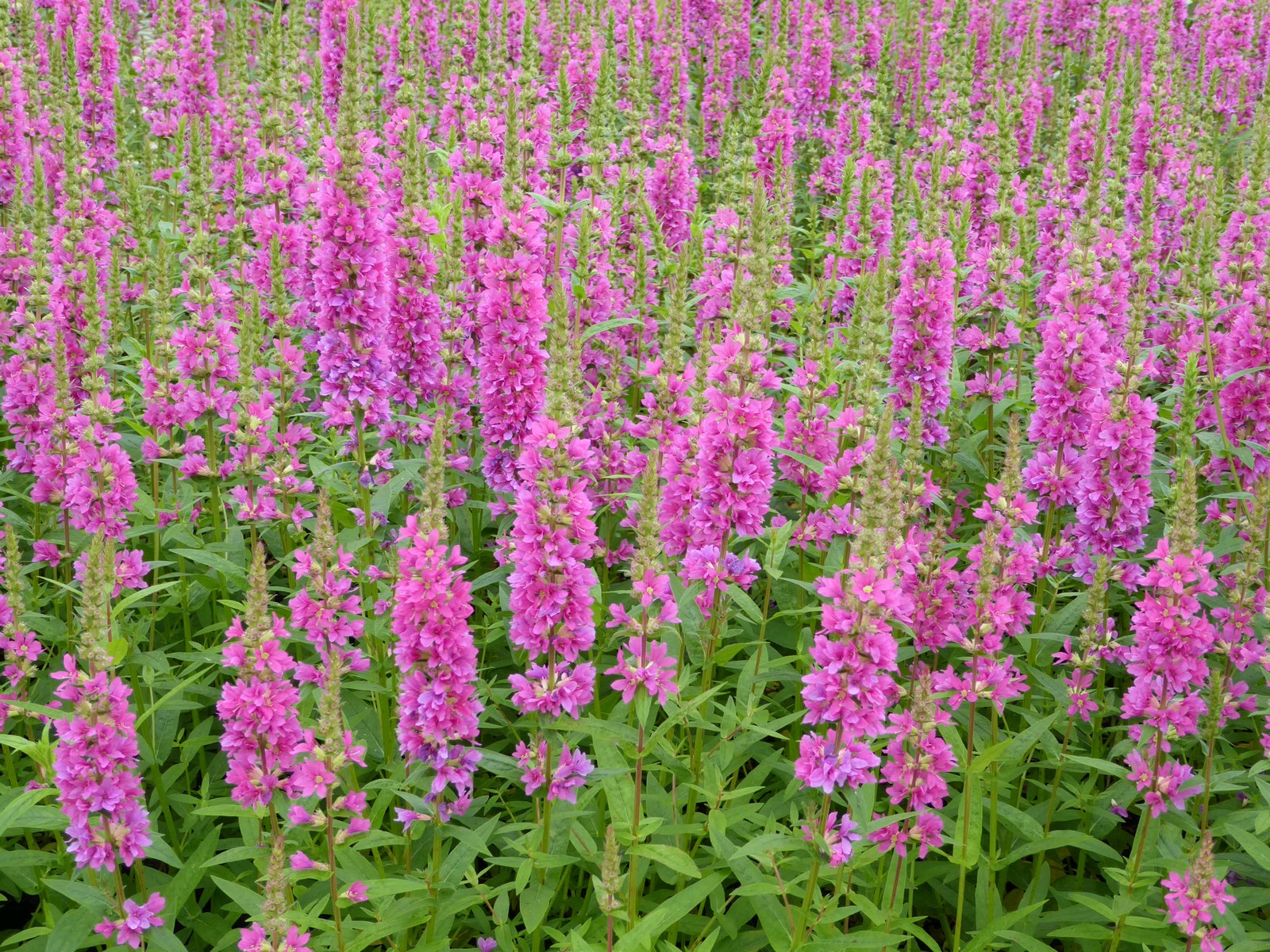
Marginal plants bring life to pond edges, creating a thriving habitat for British wildlife, and they play an important role in bog and marginal plants for bog and marginal garden planting too. Their shallow roots shelter tadpoles and dragonfly nymphs, while flowers like marsh marigold (Caltha palustris) provide early nectar for bees and hoverflies. Rushes (Juncus) and sedges (Carex) offer perches for damselflies and nesting spots for birds like robins. Water mint (Mentha aquatica) attracts pollinators while deterring mosquitoes, and dense stands of iris (Iris pseudacorus) give cover for frogs and newts. These plants also filter rainwater runoff, keeping ponds clear. By using marginals, you create a balanced ecosystem that supports everything from pond skaters to visiting hedgehogs.




Frequently Asked Questions
When is the best time to buy pond plants in the UK?
Spring is the ideal time to add plants to your pond, as warmer temperatures encourage strong growth. We suggest purchasing between mid-February and March, to give your pond plants plenty of time to establish roots and adapt to their new environment before summer.
Which pond plants help oxygenate water?
Plants like hornwort and water crowfoot are excellent for boosting oxygen levels in ponds. They absorb carbon dioxide and release oxygen, helping to keep the water clean and healthy for fish and other wildlife.
How do I choose the right pond plants for my pond size?
For small ponds, select compact plants like dwarf water lilies and small irises to keep the space well-balanced without overcrowding. Large ponds benefit from a mix of floating plants like water hyacinth, which covers a broad surface, and larger water lilies that provide shade.
How can I attract more wildlife to my pond with plants?
Planting marginal plants like marsh marigold provides shelter for frogs and insects, while oxygenating plants like hornwort improve water quality, creating a healthier habitat for aquatic life. Choosing a mix of plants that bloom at different times of the year ensures your pond remains a thriving, wildlife-friendly environment throughout the seasons.