







Vitis vinifera 'Centennial Seedless'

Free UK Mainland Delivery Over £99
Free UK Mainland Delivery Over £99
If you want homegrown grapes in the UK, this one makes it feel possible. Vitis vinifera ‘Centennial Seedless’ is a woody, deciduous climbing vine grown for heavy bunches of sweet, muscat-flavoured table grapes. The fruit ripens from green to golden-yellow, usually through September, when it gets enough warmth and light.
Other common names you may see include grapevine, common grape vine, and dessert grape. In plant terms, it is a seedless table grape vine.
You control the shape. Train it along wires on a wall, or up and across a pergola. Pruning keeps it productive and tidy.
This vine earns its space. It gives you shade in summer, a clear structure in winter, and fruit you can actually pick and eat. The leaves are broad and bright green, so it also works as a screen when trained over a seating area.
You will help local insects, especially when the vine flowers. In early summer, it produces small greenish flowers, usually from June to July. These blooms are modest, yet they still offer a seasonal food source for pollinating insects in sheltered gardens.
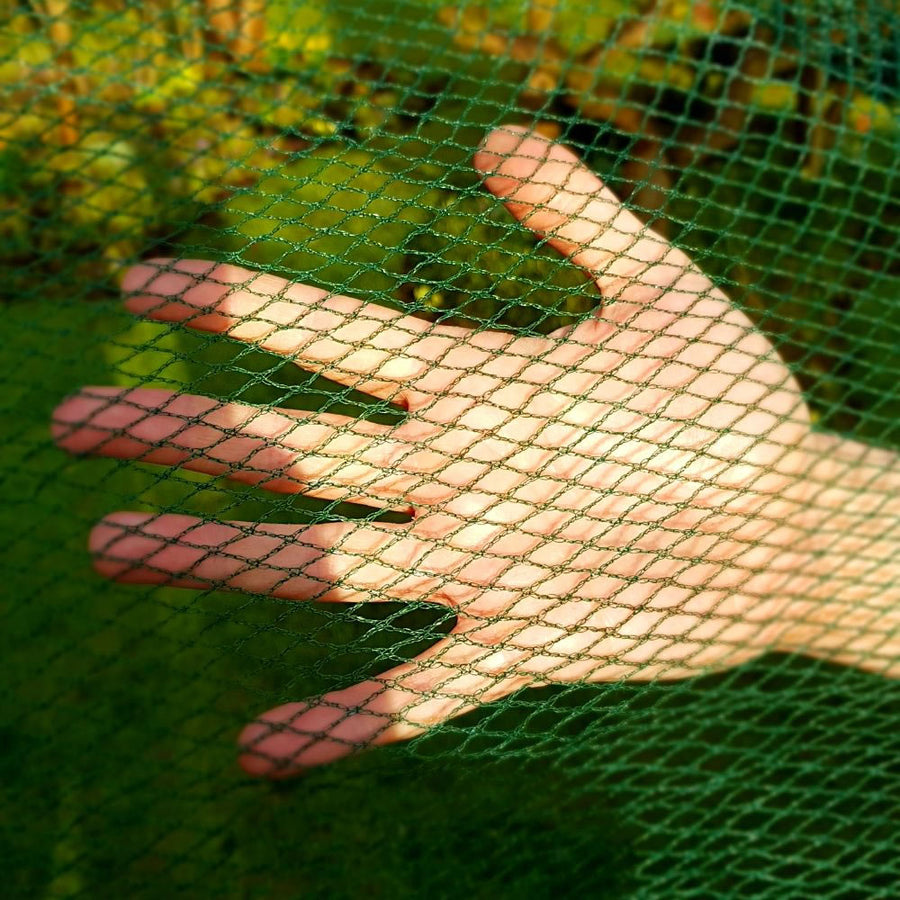
If you want to protect your harvest, use netting as the grapes start to colour. Check nets daily, and keep them taut to reduce the risk of wildlife getting tangled.
This vine needs heat and light to ripen well. Give it the sunniest spot you have. A sheltered, south or south-west facing wall makes a big difference. Many UK growers get the most reliable results in a greenhouse or conservatory.
Water well in the first year. After that, water during dry spells, especially as the grapes swell. Feed in spring with a balanced fertiliser, then switch to a tomato feed once fruit sets, if growing under cover.
Garden Wildlife makes every effort to ensure that the goods you ordered get to you undamaged and in a timely fashion.
Please check the estimated delivery period for individual products on their respective website page and please feel free to contact us with any questions before ordering.
Delivery to Scotland and Off-shore locations may not be possible, could take longer, or could cost more. If there are any issues regarding the delivery address our team will email you as soon as possible.
We will always send you as much tracking information as possible regarding your order. Our team is also available to contact at sales@gardenwildlife.com should you need us.
Get Email Updates
Subscribe to get special offers, free giveaways, product news and updates from the GW team.
