






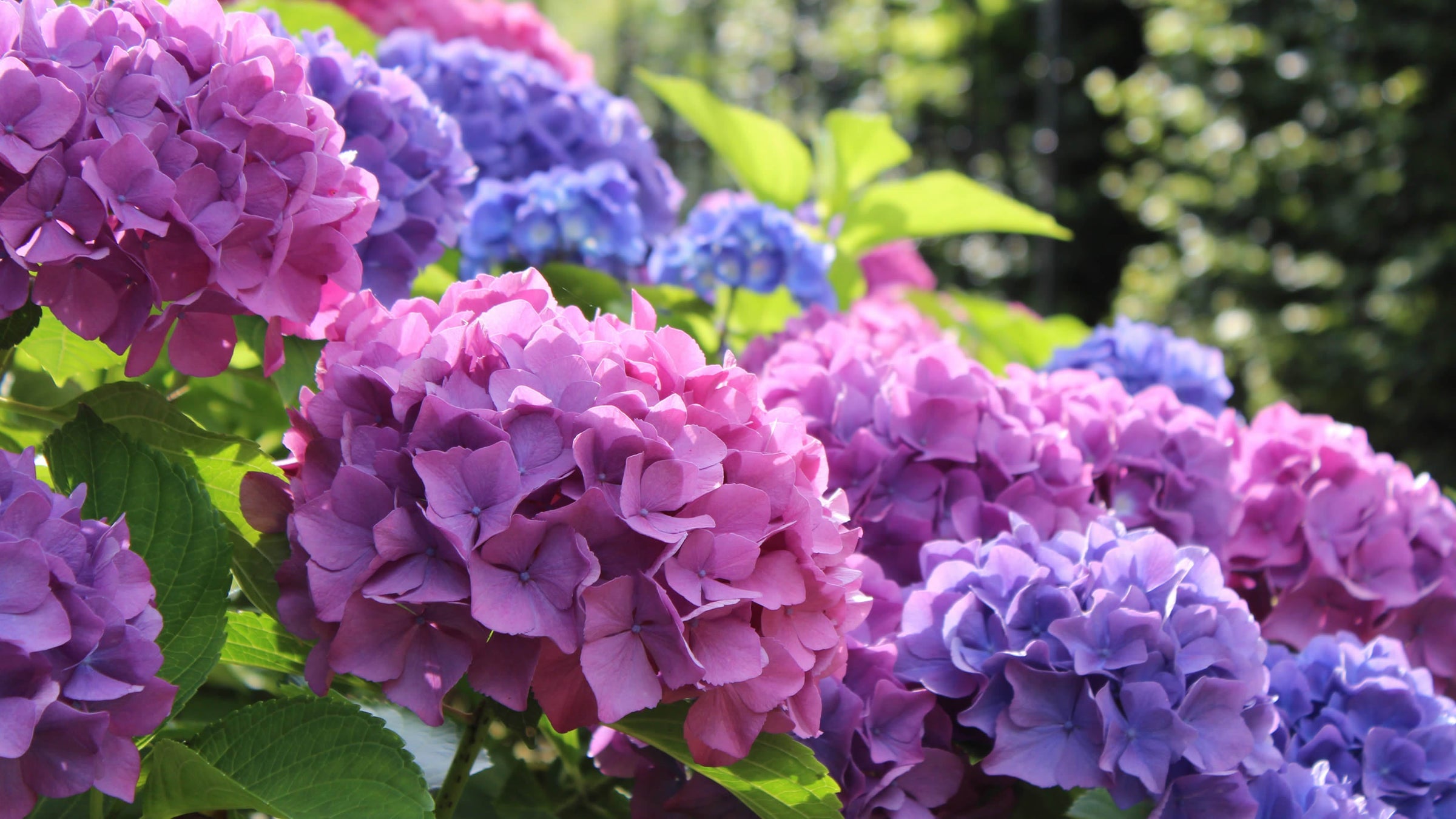
Hydrangea
Hydrangea plants are classic, wildlife-friendly hardy shrubs that bring generous hydrangea blooms from late spring through late summer, often holding colour into early autumn. There’s a variety for almost every garden style. Plant in moist, well drained soil with plenty of organic matter, give afternoon shade or partial shade in hotter spots, and you’ll enjoy long-lasting hydrangea flowers that also provide cover for birds and insects while enriching the soil as deciduous leaves fall.

Frequently Asked Questions
When should I prune hydrangeas?
It depends on the type: old-wood hydrangeas get a light tidy after flowering, while new-wood types can be pruned in late winter/early spring. If in doubt, prune gently until you’ve identified the variety.
How big do hydrangeas grow?
Most varieties form medium-to-large deciduous shrubs, but size varies a lot by species and cultivar. Check the product details for mature height/spread, and allow extra room if you want that full, billowy “hydrangea shrub” look.
Are certain varieties of hydrangeas poisonous?
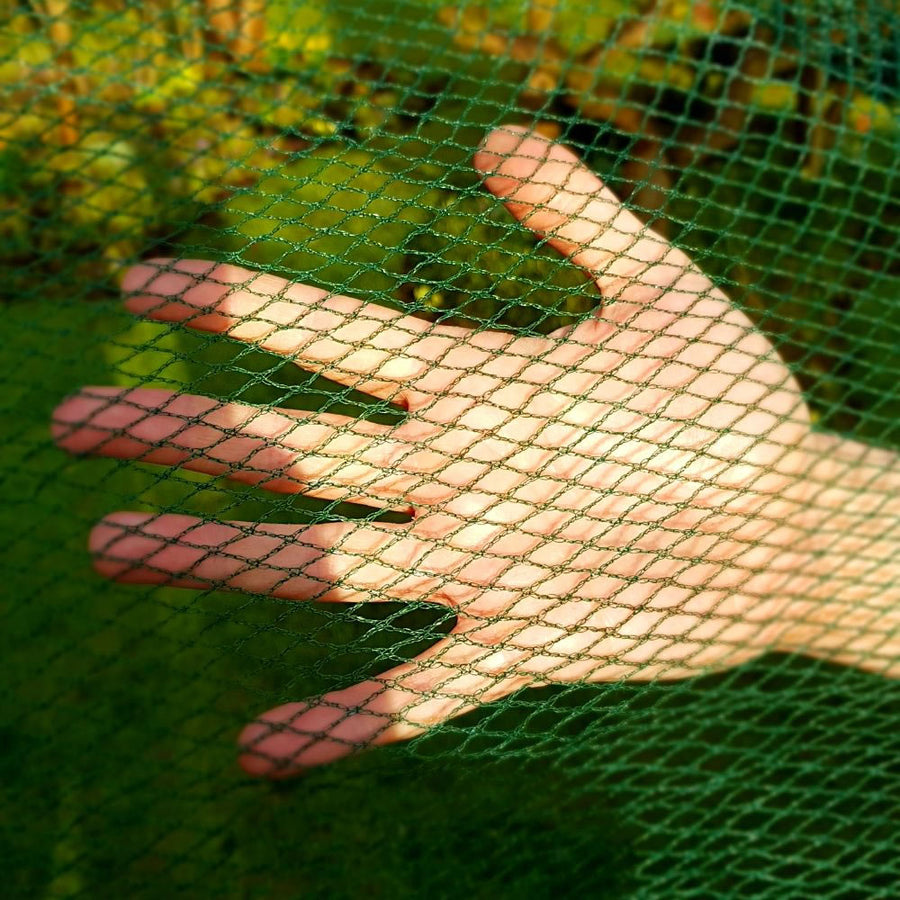
Hydrangeas are considered toxic if eaten, so it’s best to keep curious pets and children from nibbling leaves or flowers. Make use of netting or fleece to prevent pets from ingesting and to protect from frost.
What are good companion plants for hydrangeas?
Hydrangeas look great with shade-tolerant companions and foliage contrast like ferns, hostas, and spring bulbs, plus grasses for movement. Pair with plants that enjoy similar conditions and focus on soil management to keep colour consistent.