






What Do Ducks Eat: Diets & Seasonal Tips

What do ducks eat? While many people probably think they’re herbivores, ducks are actually friendly omnivores that thrive on variety: aquatic plants and pondweed, meadow seeds and grasses, plus protein-rich bites like insects, worms, and snails, sometimes even tiny fish or tadpoles. If you’re feeding your local ducks or caring for backyard birds, a “balanced plate” is what they’re after: a mix of greens, grains, and natural proteins alongside constant access to fresh water.
A good everyday approach is simple. Offer safe, nutritious foods and keep portions small and scattered so everyone gets a bite. This kind of varied diet mirrors what ducks forage for in the wild, supports healthy feathers and eggs, and keeps waterways cleaner than bread or other low-nutrition scraps.
What Are Safe Foods for Ducks?

Choosing safe foods for ducks makes a real difference to their health. Keep pieces small, scatter them widely, and offer modest portions so every bird gets a fair share. Here are dependable options you can feed with confidence:
-
Cracked corn, oats, barley, wheat: Slow-release energy; choose plain, unsalted grains.
-
Defrosted peas & sweetcorn: Easy to digest; good vitamins.
-
Chopped lettuce, kale, cabbage, herbs: Hydrating greens; chop finely.
-
Cooked rice (plain, unsalted): White or brown is fine; serve cooled.
-
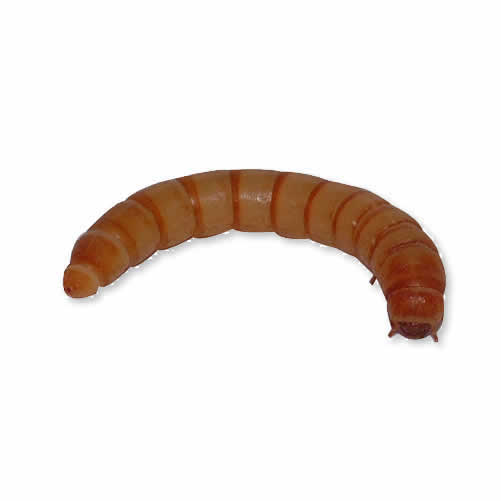
Mealworms or dried insects: Protein for feathers and growth.
-
Specialist duck food: Complete duck feed that floats to reduce waste and water fouling.
What Do Ducks Eat Naturally in the Wild

Wild ducks thrive on a natural diet they find while foraging. They enjoy lots of greens from the water’s edge plus energy-rich seeds and protein from tiny invertebrates. This varied mix delivers essential amino acids and fatty acids that help birds stay healthy through the seasons. Letting ducks forage keeps waterways cleaner and supports other wild birds and wild animals that share the habitat. They typically look for the following:
-
Aquatic plants & pondweed: Soft roots, shoots, and leaves from shallow margins (plus a little filamentous algae) fuel daily activity and encourage natural dabbling at the water’s edge.
-
Seeds, acorns, grasses: Fallen seeds, meadow grasses, and seasonal mast under trees give slow-release energy - the wild counterpart to bird seed - for healthy eating through colder months.
-
Small insects, worms, snails: Protein-rich beetles, worms, and small water snails supply essential amino acids; snails also add minerals that support calcium production in laying females.
-
Tadpoles & small fish (occasional): Opportunistic top-ups, especially for larger dabblers, when other foods are scarce, helping wild ducks adapt to changing conditions.
Seasonal Wild Diet
Wild ducks shift what they eat with the seasons.
-
Spring: More protein from insects, snails, and freshwater invertebrates to fuel breeding and egg-laying
-
Summer: Peak variety. Aquatic plants at their most abundant, plus tadpoles, dragonfly larvae, and pond snails
-
Autumn: Fallen acorns, beech mast, and ripening seeds add slow-release energy for the moult
-
Winter: Aquatic plant roots, waste grain in stubble fields, and any invertebrates they can find. Coastal wigeon flocks graze salt marsh grasses
UK Duck Species and What They Eat
Britain is home to a wide variety of ducks, and most eat slightly different things depending on how they feed. Knowing which duck you're watching helps you offer food they'll actually want.
|
Species |
Where You'll See Them |
What They Mostly Eat |
|
Mallard |
Almost any pond, park lake, or garden pond |
True omnivore. Aquatic plants, seeds, insects, snails, and happy to accept peas, oats, and pellets |
|
Mandarin duck |
Wooded park lakes, sheltered garden ponds in the south |
Acorns, seeds, insects, snails. Shy feeders that prefer quieter spots |
|
Tufted duck |
Deeper lakes and reservoirs |
Diving duck. Feeds on molluscs, insect larvae, and some plant matter below the surface |
|
Wigeon |
Wetlands, coastal marshes, flooded fields in winter |
Grazes on grass, clover, and pondweed. |
|
Teal |
Marshes, wet meadows, shallow pond edges |
Small seeds and invertebrates sifted from mud |
|
Gadwall |
Shallow lakes and ponds with plenty of plant cover |
Almost fully vegetarian. Aquatic plants, algae, and seeds |
If you're feeding at a local pond, mallards are the most likely takers. Diving ducks like tufted ducks and grazing ducks like wigeon usually ignore handouts and feed themselves.
Safe vs Unsafe Foods for Ducks
Here’s a quick, practical guide to what’s safe to feed ducks and what should be avoided. Use the “Safe to feed” list as your go-to for varied, nutritious duck food. Always serve foods plain (no salt, oils, or seasoning), defrost frozen items like peas, and provide plenty of fresh water nearby.
Avoid everything in the “Unsafe to feed” list as these either lack nutrition, upset digestion, or pose choking/contamination risks. After feeding, clear leftovers to prevent food from spoiling.
Safe to Feed

|
Safe Foods |
Why They’re Good |
|
Peas & sweetcorn (defrosted) |
Gentle vitamins & moisture; easy to peck and float briefly for tidy feeding. |
|
Oats (rolled or instant, plain) |
Clean energy without salt or sugar; scatter thinly to avoid crowding. |
|
Leafy greens (lettuce, kale, herbs) |
Hydration plus micronutrients; tear into bite-sized pieces for quick, safe eating. |
|
Grapes, apples (chopped & seedless) |
Occasional fruit variety; offer in tiny pieces only. |
|
Cooked rice (plain, cooled) |
Simple, carbohydrate boost that’s easy to digest. |
|
Seeds & grains (cracked corn, barley, wheat) |
Natural for waterfowl; sprinkle sparingly to keep portions balanced. |
|
Mealworms & other insects |
Quality protein to support feather growth and overall condition. |
|
Specialist duck pellets |
Complete duck food formulated for a balanced diet - convenient, clean, and wildlife-friendly. |
Unsafe to Feed

|
Unsafe/ Avoid |
Why to Avoid |
|
Bread, crackers, biscuits, crisps, popcorn |
Low nutrition; water pollution; encourages pests. |
|
Pasta, salty/ seasoned leftovers |
Salt & oils cause health problems. |
|
Citrus & high-acid fruits |
Can upset digestion (avoid oranges, lemons). |
|
Avocado, onions, spinach |
Known risks; potential toxins or interference with calcium. |
|
Mouldy/ stale food |
Can cause illness, respiratory issues. |
|
Large, hard foods |
Choking hazards; always chop finely. |
Why You Shouldn’t Feed Ducks Bread
Many people feed ducks, geese and chickens bread believing it is safe, but it doesn’t help our feathered friends in the slightest. Bread (and similar leftover food) offers little nutritional value, can cause digestive issues, and mouldy food may trigger respiratory illness; not to mention polluted water that other birds and animals may drink from.
What Do Ducklings Eat?

For the first few weeks, keep things simple and nutritious. Ducklings thrive on a purpose-made waterfowl starter (or a non-medicated chick crumb suitable for ducks), offered little and often with fresh water always beside the feeder. You can add tiny, soft extras for variety, but treats should stay occasional so they grow strong on balanced nutrition instead of snacks.
-
Starter feed (0-4 weeks): Use waterfowl starter or a non-medicated chick crumb formulated for ducks. Avoid medicated chick feed.
-
Safe supplements (pinches only): Finely chopped vegetables (tender greens), a few frozen peas (fully defrosted and lightly mashed), or small amounts of insects for protein. Plain rolled oats or instant porridge oats can be sprinkled very lightly for easy energy.
-
Water is essential: Ducklings must have water deep enough to dip their bills whenever they eat, as this helps them swallow safely and keep nostrils clear. Use shallow sides and easy exits.
-
Transition (4-18 weeks): Move to a grower duck feed with adequate niacin (often built in, or add a little brewer’s yeast) to support steady development.
Seasonal Feeding Tips
Ducks’ diets shift with the seasons as plants, insects, and open water come and go. Use this quick guide to support natural foraging without overfeeding.
|
Season |
What to Offer |
Key Note |
|
Spring |
Pellets and a little insect protein |
Supports breeding and growing ducklings |
|
Summer |
Fresh water first, then leafy greens |
Feed early/late; go light on grains |
|
Autumn |
Pellets and small grain top-up |
Helps during moulting and energy-building |
|
Winter |
Pellets, grains, and occasional insects |
Keep water unfrozen; add a windbreak |
How to Feed Ducks?
Feeding ducks is simplest (and safest) when you mirror how they naturally forage: small amounts, spread out, and always with clean water nearby.
-
Portion control matters: small, scattered handfuls; avoid piles.
-
Scatter food, don’t dump it: wider spread equals less squabbling.
-
Choose nutritional, safe foods: pellets, grains, peas, chopped greens.
-
Protect the environment: take litter home; remove twist ties and packaging.
-
Respect wildlife & other visitors: stop feeding when birds lose interest.
-
Seasonal & life stage awareness: adjust for weather, molt, and breeding.
Feeding Ducks in Your Garden Pond
A garden pond can attract dabbling ducks, especially mallards, if there's shelter, safe margins, and food they can reach. Feeding is only part of it. A proper wildlife-friendly pond does most of the work naturally.
What a duck-friendly pond offers:
-
Shallow, gently sloping edges so ducks can walk in and out safely
-
Marginal planting like water forget-me-not, marsh marigold, and iris for cover and insects
-
Oxygenating plants like hornwort that support pond invertebrates ducks feed on
-
A steady supply of pond insects and snails that ducks forage on their own
-
Clean, refreshed water that isn't fouled by leftover feed
If you want to top up what your pond provides, scatter small amounts of floating duck pellets near the edge and never in the middle where they'll sink and pollute the water. Skip feeding altogether during breeding season if a pair nests, so they focus on natural foraging for the ducklings.
A well-planted pond with a healthy population of pond invertebrates will feed visiting ducks better than any scattered handout.
Feeding Equipment & Methods

The cleanest way to feed ducks is to use floating feeders or specialist floating pellets, which stay off the mud and are easier to portion. If you’re offering grains or chopped veg, use a shallow tray or low platform near the water’s edge rather than tipping food straight onto the ground as this helps keep it dry, reduces waste, and stops it getting trampled. Keep each feeding session short, offer small amounts, and remove leftovers so you don’t attract pests or spoil the water.
For a tidy setup, place feeding spots away from busy paths and rotate where you feed to prevent churned, muddy patches. And if you’re feeding regular visitors (or keeping ducks at home), pairing good feeding habits with secure shelter makes a big difference. Explore practical, easy-clean housing options like our duck houses collection.
Final Thoughts

A little thought goes a long way with ducks. When you swap bread for a simple mix of safe grains, greens, and balanced pellets, you’re supporting healthier birds and a cleaner pond for every other creature that relies on it. If you’d like to go one step further, explore Garden Wildlife’s food and housing for an easy, wildlife-friendly upgrade when caring for your ducks at home and want them sheltered, dry, and comfortable all year round.
Frequently Asked Questions
What time of year should I feed ducks?
Autumn and winter are when feeding helps most, especially during cold snaps when natural food is buried or frozen. In spring and summer, ducks generally find plenty on their own, so keep portions small.
Can ducks eat bread?
It’s best to avoid bread. It fills ducks up without proper nutrition and can lead to poor health conditions, plus it pollutes ponds. Choose peas, oats, greens, or balanced duck pellets instead.
What food is good for ducks?
A solid base is specialist duck feed (floating pellets), topped up with peas, chopped leafy greens, oats, and a few insects. Keep portions small and scatter widely.
How does feeding ducklings differ from adult ducks?
Ducklings need higher-protein starter feed to fuel fast growth, plus constant access to clean water for safe eating. Introduce tiny greens or insects gradually as they get bigger.
Are there any human foods that pose a risk to ducks’ health?
Yes. Avoid salty, sugary, or fatty foods, and avocado, chocolate, onions, and garlic pose threats specifically. Never offer mouldy leftovers, and chop fruit small with seeds removed.