






Garden Arch Ideas: How to Choose, Plant, and Position a Garden Arch

With summer in full swing, many UK gardens are getting a spruce up, and working through a few garden arch ideas is one of the most rewarding places to start. A garden arch does more than frame a pathway. Get it right and it becomes one of the hardest-working features in your outdoor space: adding height and structure, giving climbing plants somewhere to go, and creating a focal point that genuinely improves year on year.
Unlike many garden features, an arch earns its place in every season. In spring it supports early climbers as they get going. Through summer it frames views and provides habitat for pollinators. Come winter, the structure itself holds the garden together when everything else has died back. We'll talk you through the main options, the best plants to pair with them, and how to position and maintain your arch for the long term.
What Makes a Good Garden Arch?
Before you think about style, think about proportion. An arch needs an internal width of at least 120cm and a height of around 210cm to feel comfortable to walk through once climbing plants have established. Too small and it feels cramped; too large and it can overpower a modest garden.
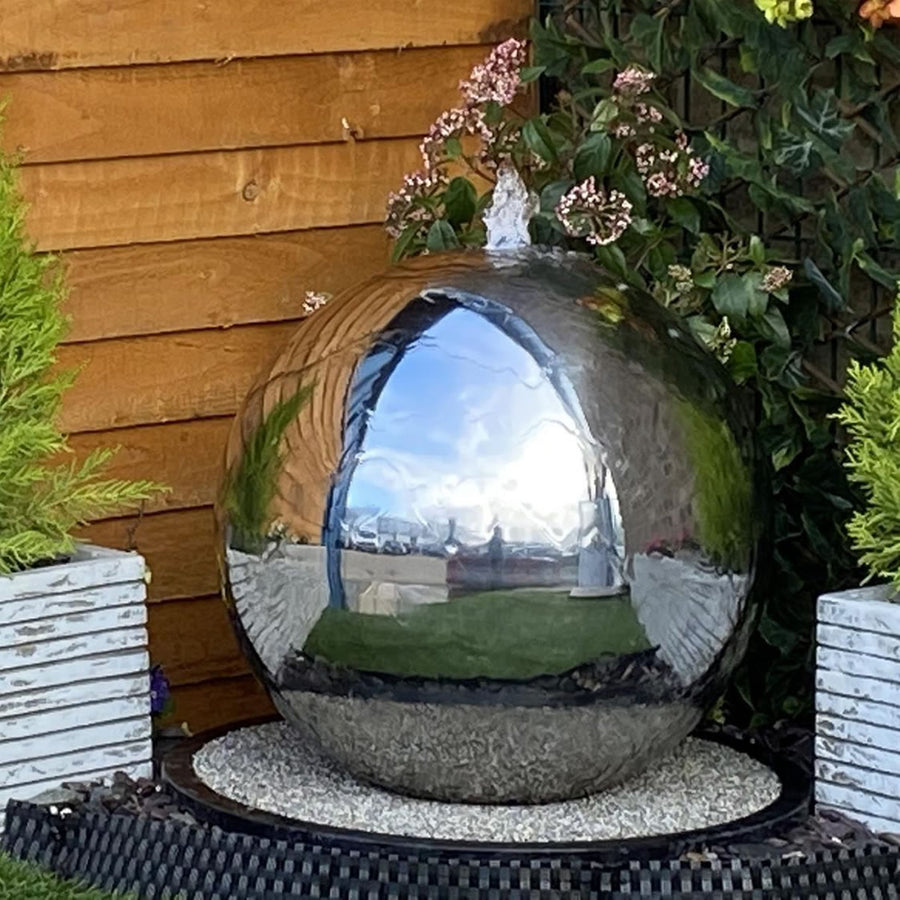
Position matters just as much as size. The best arches frame something worth looking at: a seating area, a border, a water feature, or simply the next section of the garden. Place yours where it marks a clear transition between spaces or at the end of a path to give the eye somewhere to land.
Whether you have a compact courtyard or a larger plot with room to play, there is an arch style and a planting combination that will work for your space.
Garden Arch Ideas for Different Spaces
There are many styles of garden arch available, and pairing the right one to your space makes a real difference to the finished result. The arches at Garden Wildlife cover the main design families, from traditional to contemporary, so it helps to know what each one does well before you buy.
Vintage and Rustic Arches

Gothic Arches

Gothic arches have pointed tops that add height and a sense of drama to a garden entrance or pathway. They work well in formal gardens and alongside period properties, where the architectural detail echoes the style of the house, but they’re also strong enough to hold their own in a more contemporary setting when kept lightly planted.
Because the pointed profile draws the eye upward, a gothic arch can make a small backyard or narrow side passage feel taller and more considered than it actually is. It is a practical option where ground space is limited but you still want a feature with real presence.
Art Deco Arches

Art Deco arches suit gardens with a cleaner, more modern aesthetic. The geometric lines and structured profile work well on a patio, alongside contemporary planting schemes, or where the garden design takes its cues from the architecture of the house rather than a traditional cottage style.
These arches add colour and interest without the visual weight of a heavier, more ornate design. They’re a good fit for anyone who wants elegant design and a neat, well-defined look year round rather than the romantic, overgrown effect of a vintage style.
Moon Gates and Marrakech Arches

The Ascalon Marrakech Moon Gate sits in a category of its own. A moon gate is a circular opening rather than a traditional arched form, and it functions as much as a garden ornament as a structure. It frames a view, creates a striking focal point, and works particularly well as a freestanding feature at the end of a lawn or path where you want maximum visual impact.
This style suits gardens where the structure is intended to enhance the space on its own terms, with or without climbing plants. It is also a strong option for a patio where you want a feature that leads the eye without demanding planting to justify it.
Wooden Arches
Wooden arches bring a softer, more natural quality to a garden and are a traditional choice for cottage and kitchen garden settings. Timber sits well alongside vegetable patches, fruit growing areas, and informal borders, and it has a warmth that metal cannot quite replicate.
The trade-off is maintenance. Wooden arches need treating with a weather-resistant sealant every couple of years to protect against rot, and timber uprights should ideally be set on metal post supports rather than directly in the ground to extend their life. Hardwoods like oak and cedar offer the best longevity. For anyone who loves the look but wants less upkeep, a powder-coated metal arch in a warm or earthy tone can give a similar aesthetic with considerably more practical staying power.
Arch Tunnels and Multiple Arches
Installing multiple arches in a line creates a tunnel effect along a pathway that adds aesthetic appeal, particularly once climbers have covered the structure. It is one of the most impressive things you can do with a garden arch and works well in larger gardens where there’s a clear route to follow.
A tunnel also provides useful shade on a hot sunny day and creates a defined structure that gives the garden a sense of purpose and direction. Space arches around 1.5 to 2 metres apart and connect them with horizontal supports or allow climbers to bridge the gaps naturally over time.
Arches with Gates

An arch with gates makes sense where you want to define an entrance clearly, divide garden areas, or add a practical layer to a side passage, kitchen garden, or front door approach. Gates add a sense of arrival and give the arch a dual purpose: decorative feature and working part of the garden layout.
Without gates, a simple open arch keeps things lighter and lets the planting do more of the work. Both work well depending on how you want the space to function. If you’re using the arch purely as a plant support and focal point, an open arch is usually the cleaner choice. If it marks a boundary or entry point, the gate version earns its extra cost.
Garden Arch Ideas for Climbing Plants

The right climbing plants turn a steel structure into something that looks like it has always been there. Plant at the base of each upright, around 20-30cm away from the frame, and angle the stems towards the arch. Tie in new growth regularly using soft garden twine, training stems horizontally as well as upwards. This builds thicker, more even coverage and produces far more flowers than leaving plants to scramble straight to the top.
|
Plant |
Best For |
Key Tip |
|
Classic look, colour June to September |
Train stems diagonally or horizontally to encourage flowering along the full length, not just the top |
|
|
Maximum impact on a sturdy arch |
Prune twice a year, summer and late winter. The Vintage and Woodland arches are solid enough for established plants |
|
|
Versatility, quick coverage, smaller gardens |
Weaves naturally through open frameworks. Varieties available for almost every season |
|
|
Honeysuckle and Jasmine |
Scent, wildlife value, arches near seating |
Flowers at head height where scent has most impact. Both tolerate partial shade and are strong pollinator plants |
How to Turn a Garden Arch into a Wildlife Corridor
A planted arch becomes more than a garden feature once the climbers establish. It provides food in the form of nectar and pollen, shelter for insects during rain and wind, and cover for small wildlife moving through the garden. Honeysuckle and jasmine are particularly valuable. Clematis adds structure and seed heads that birds use later in the season.
Training plants to cover the arch evenly, rather than letting them mass at the top, creates shaded spots lower down and a more varied habitat overall. A well-covered arch essentially becomes a miniature corridor connecting different parts of the garden, which is particularly useful in smaller outdoor spaces where wildlife habitat is otherwise limited.
Finding the Right Place for a Garden Arch

-
Garden Arch Ideas for Small Gardens: In a smaller garden, an arch adds the one thing that is usually missing: vertical growing space. Position it at the end of a short path or between two borders to create a sense of depth and draw the eye through the space.
-
Using an Arch in Borders and Beds: An arch planted mid-border adds height without the footprint of a large shrub or small tree. This works particularly well in a mixed border where you want to break up flat planting at the back.
-
Using an Arch in a Kitchen Garden: A garden arch is a practical addition to a vegetable patch as well as an ornamental one. Runner beans, climbing squash, and cucumbers all grow well on a sturdy arch, using vertical space that would otherwise go to waste. Position the arch in full sun and water regularly once crops are developing, as the soil at the base can dry out quickly.
Installing and Maintaining a Garden Arch
Metal arches are low maintenance by nature, but a few straightforward steps at installation and through the season will keep yours looking good and standing straight for years.
Installation
-
Drive pointed legs at least 30cm into the ground and check for true vertical before plants go in. A slight lean becomes much more obvious once climbers add weight to the top.
-
In exposed positions or on hard or stony ground, set the legs in concrete instead. Dig holes 30-45cm deep, set the uprights, and backfill with concrete for a secure, permanent anchor.
Ongoing Maintenance
-
Powder-coated and rust-finish steel arches need very little upkeep. Check each spring for scratches or chips and treat any bare spots with a rust-inhibiting product.
-
Through the growing season, remove dead or crossing stems, re-tie any growth that has worked loose, and keep the base of the arch clear to allow air to circulate.
Final Thoughts

A garden arch is one of the few garden features that genuinely gets better with time. The structure goes in quickly, but it’s the seasons of growth around it that do the real work: stems thickening, coverage filling out, flowers appearing at head height, and wildlife finding its way in.
Whether you go for a rustic iron arch smothered in climbing roses, a gothic design framing the end of a path, or a moon gate standing on its own as a focal point, the fundamentals are the same. Choose a style that suits the garden you already have, position it with purpose, plant it well, and it will earn its place year after year. Browse the full garden arches collection at Garden Wildlife to find the right fit for your space.
Frequently Asked Questions
What is the best climbing plant for a garden arch?
Clematis is the most reliable all-round choice. It grows quickly, suits all arch styles, and offers varieties for almost every season. For scent, honeysuckle and jasmine are hard to beat. For sheer impact, a well-trained climbing rose or wisteria on a sturdy arch will outperform almost anything else.
How do I stop a garden arch from leaning?
Drive the legs at least 30cm into firm ground and check for true vertical during installation. In exposed spots or on soft or stony ground, set the uprights in concrete. Avoid planting very vigorous climbers like wisteria on lightweight arches, as the weight of mature growth can pull the structure over time.
Can a garden arch work in a small garden?
Yes. A slim metal arch in a dark finish takes up very little visual space and adds height that a small garden often lacks. Keep the planting in proportion: clematis or a single climbing rose rather than wisteria or a rambling rose that will quickly outgrow the structure.
What arch style suits a cottage garden design?
Vintage, Rustic, and Woodland styles all work well in cottage settings. A rusty or aged finish blends naturally into informal planting schemes. Pair with a climbing rose or honeysuckle for a classic result.