


Bird Boxes
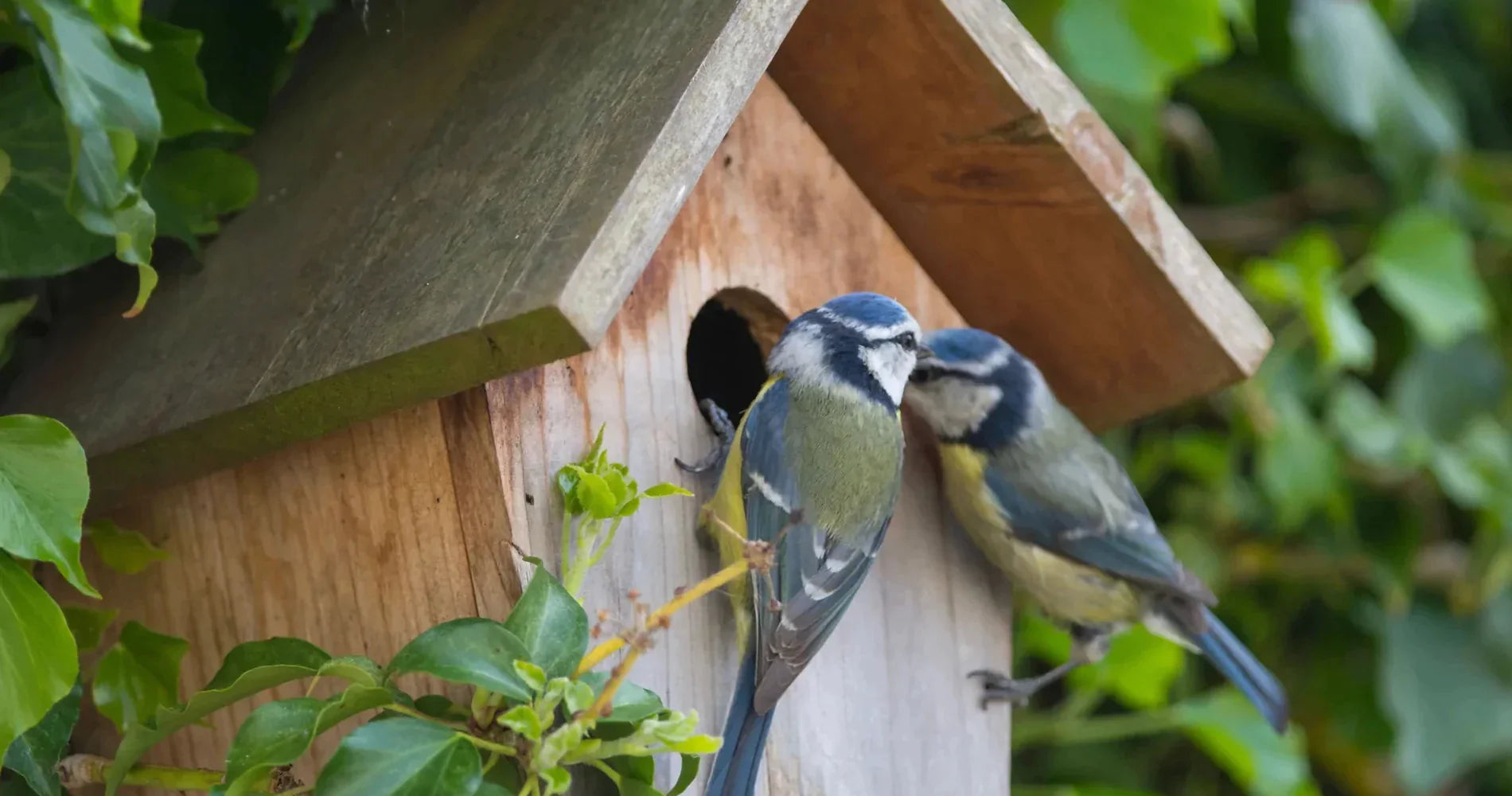
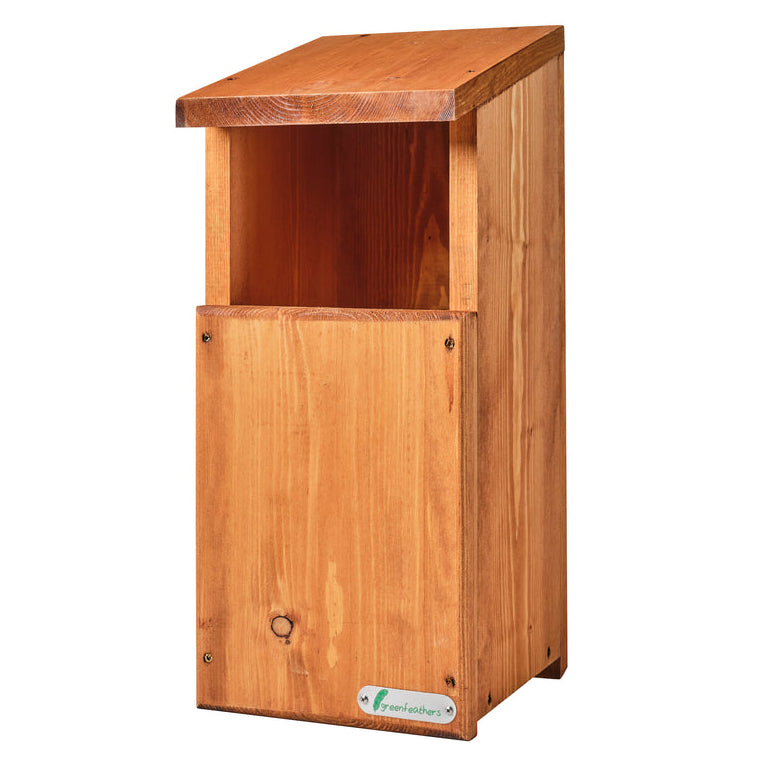
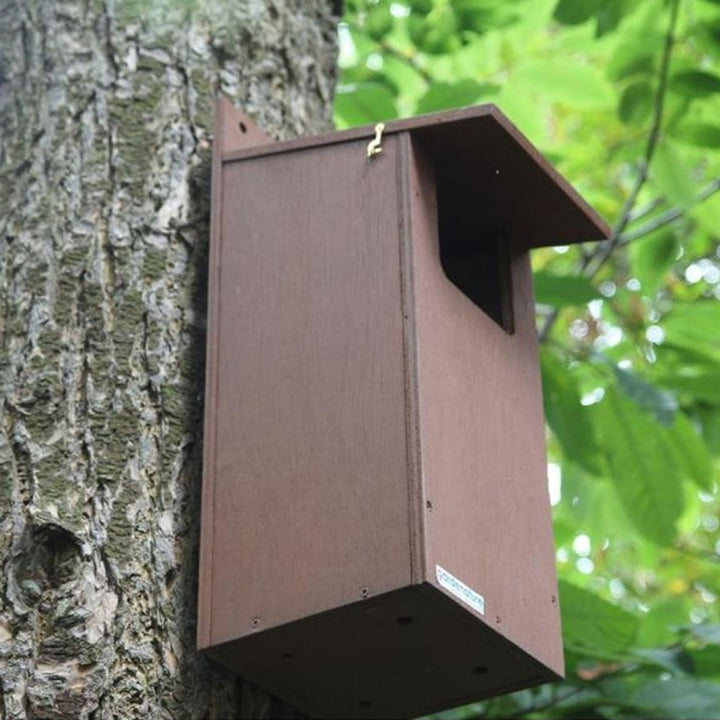
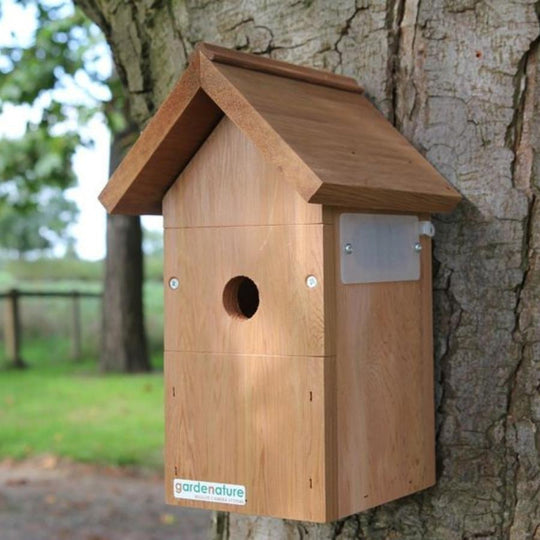
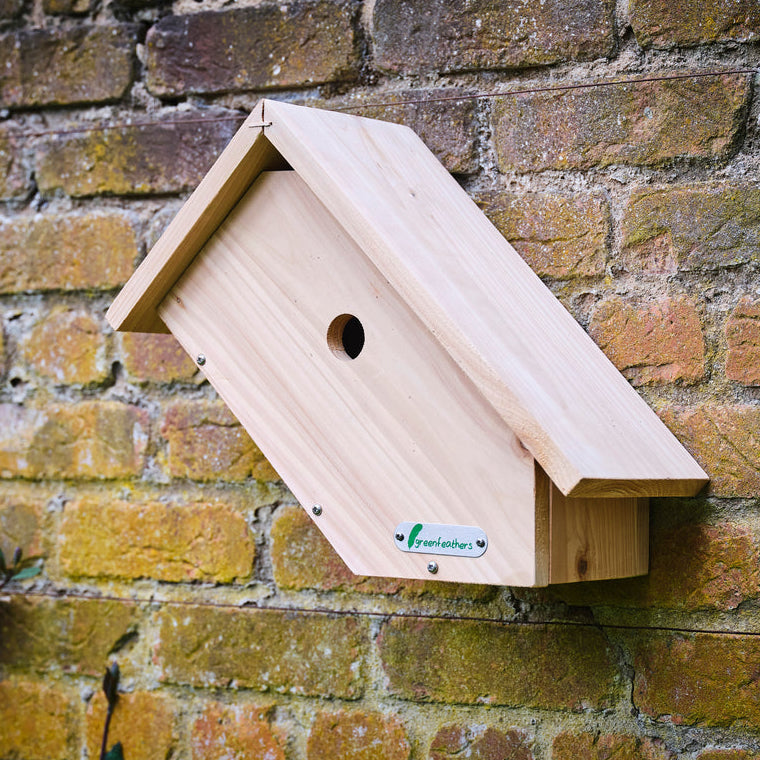
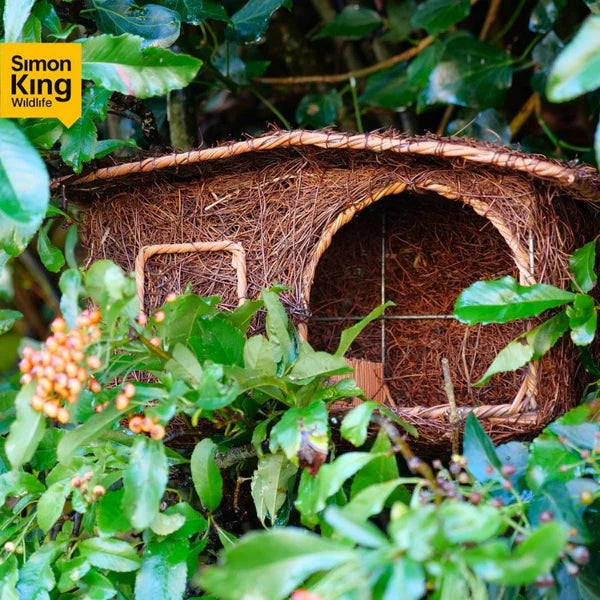
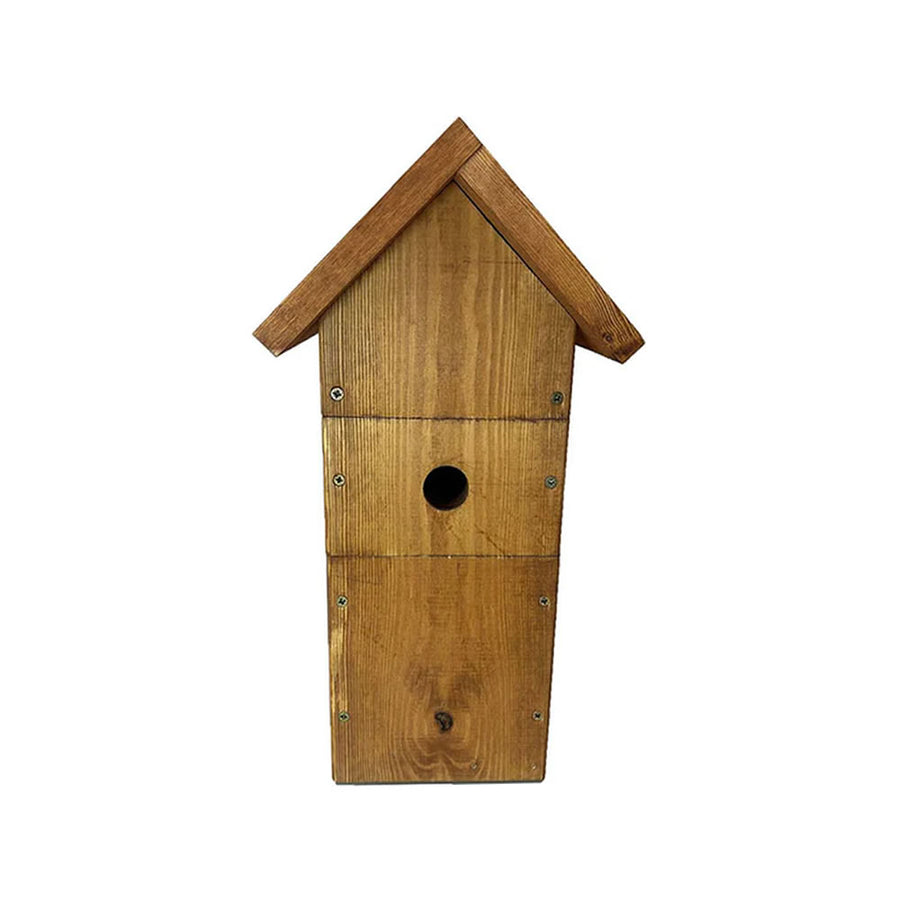
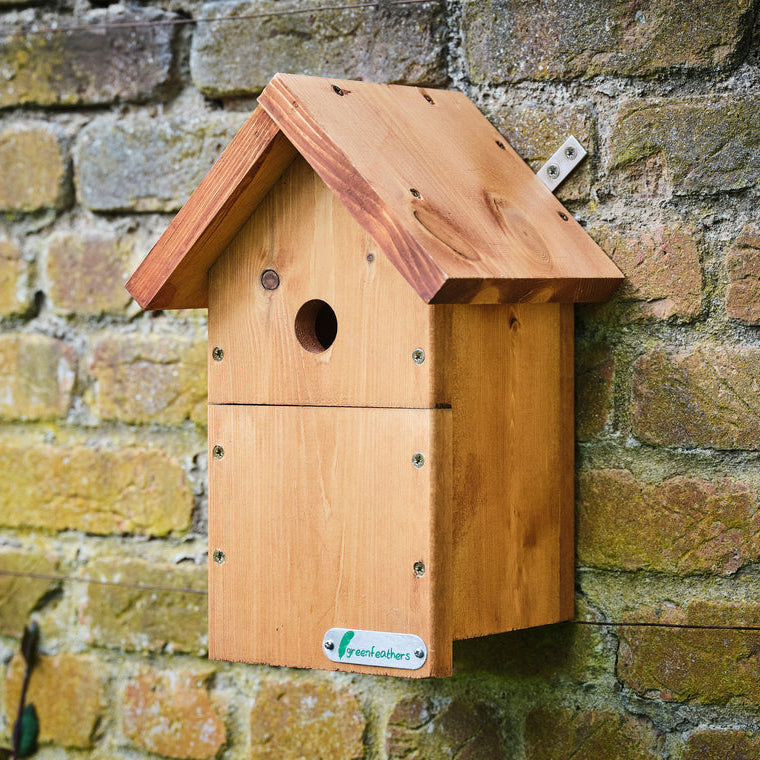
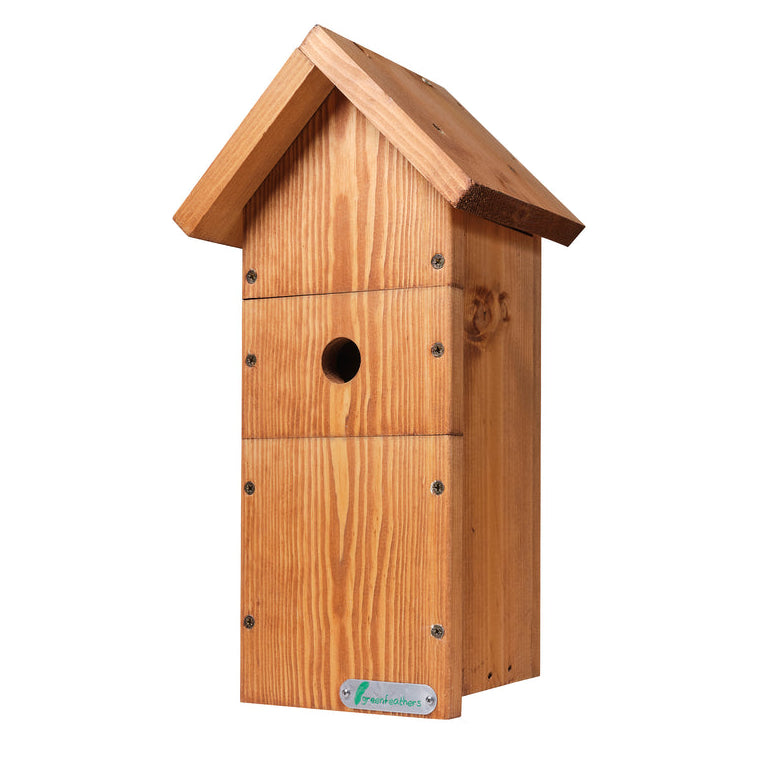
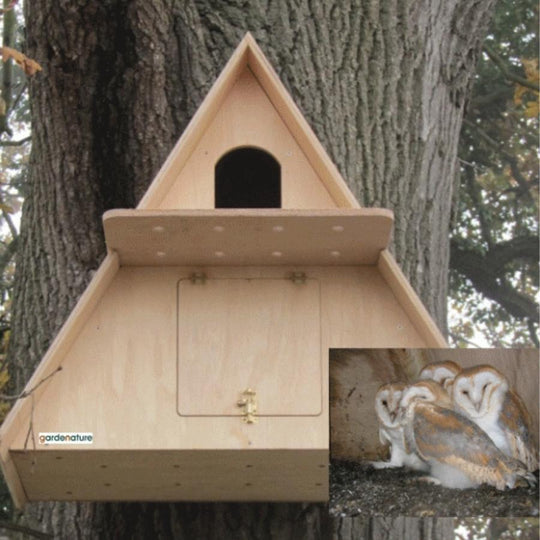
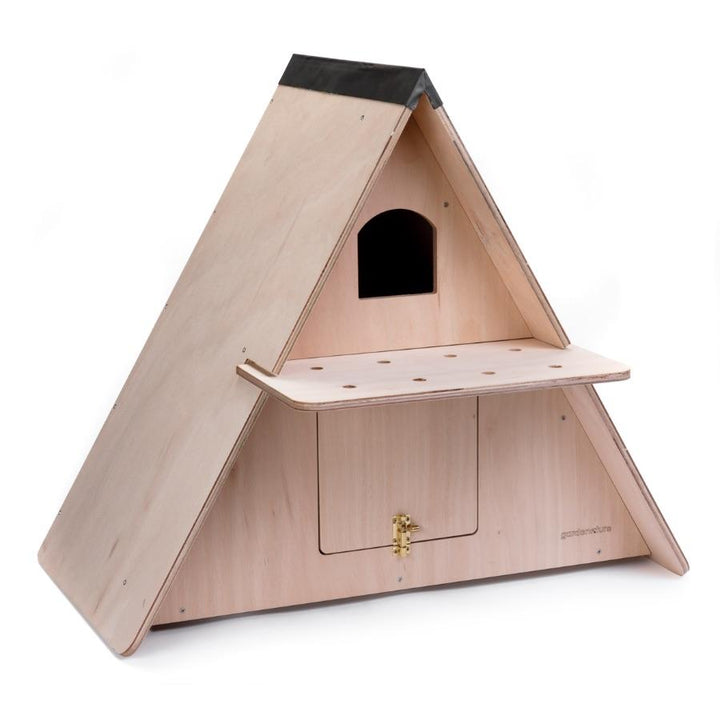
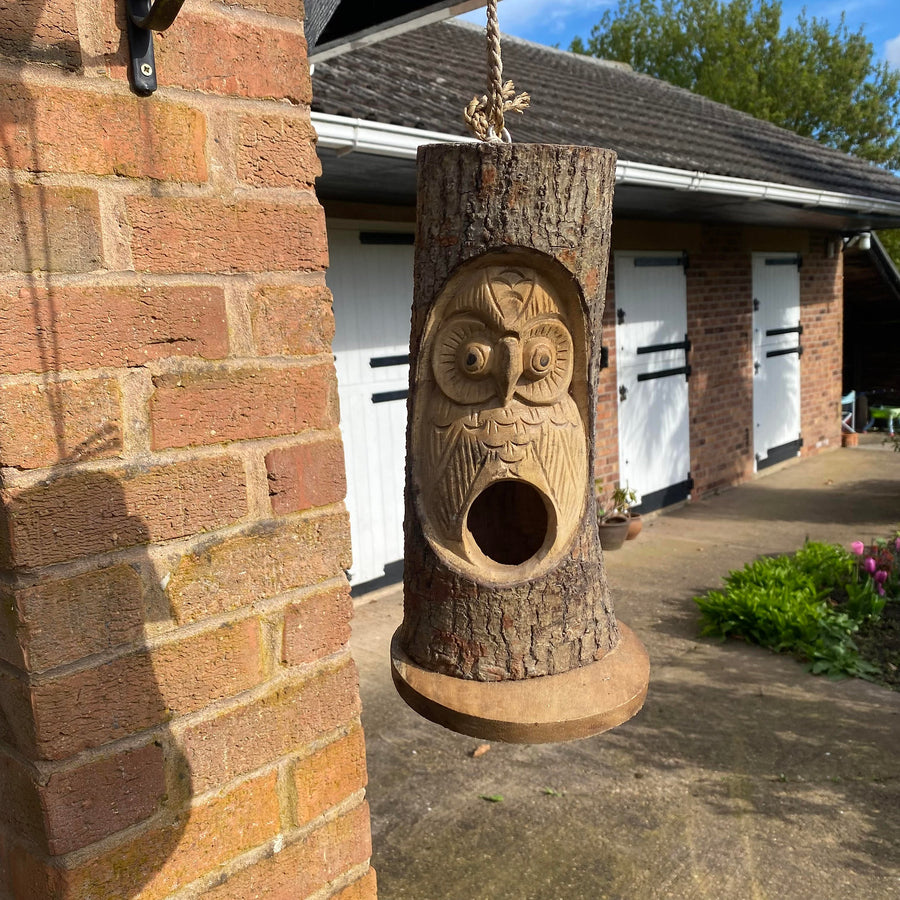
Bird boxes are a simple, practical way to replace disappearing natural nest sites and give local birds a safe place to roost, lay eggs, and raise young. Our extensive range includes options to suit different species and outdoor spaces, from classic designs to open fronted boxes for garden regulars. Pop one up in autumn (October or November is ideal) and it can provide a warm winter refuge, ready for nesting when spring arrives.
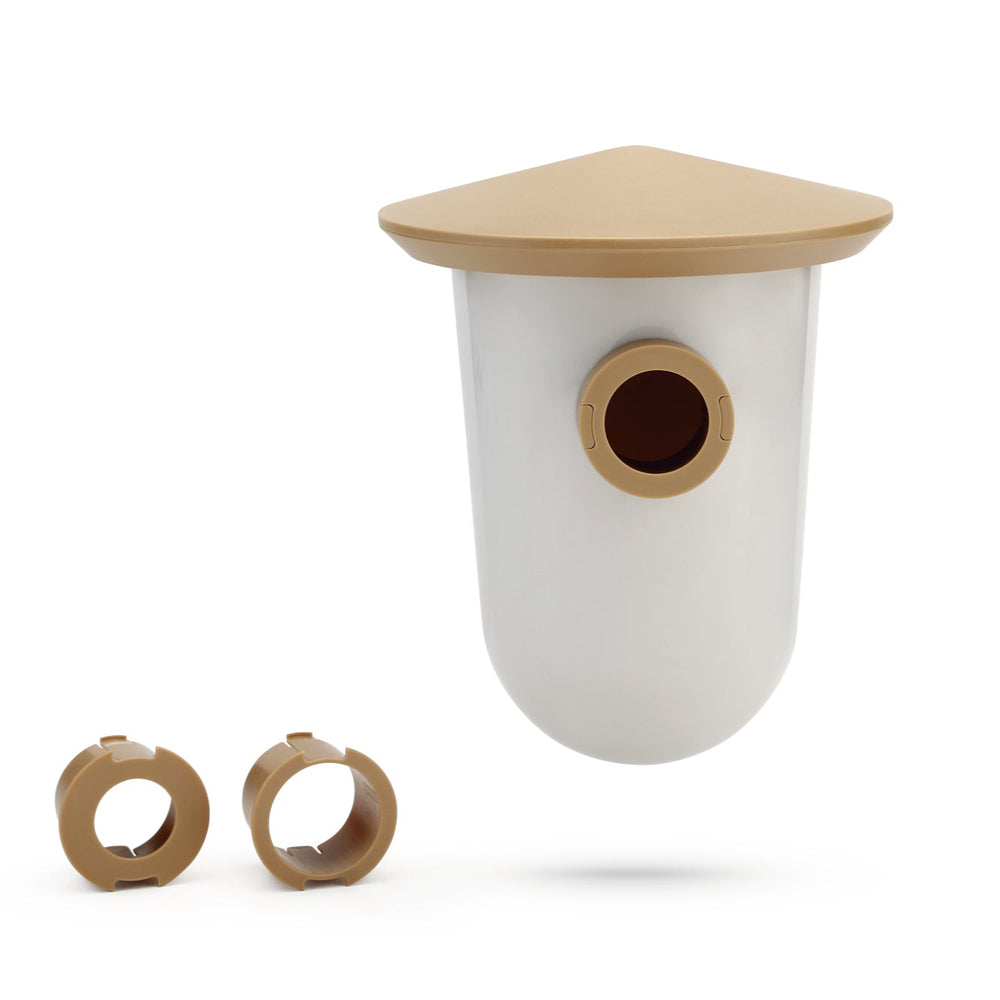
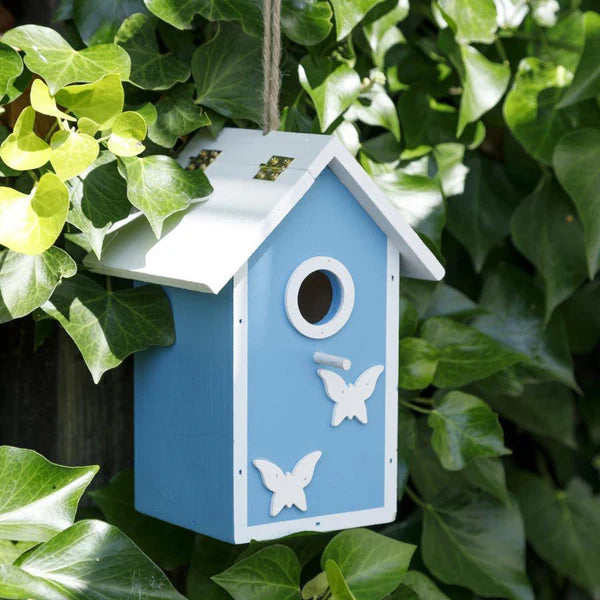
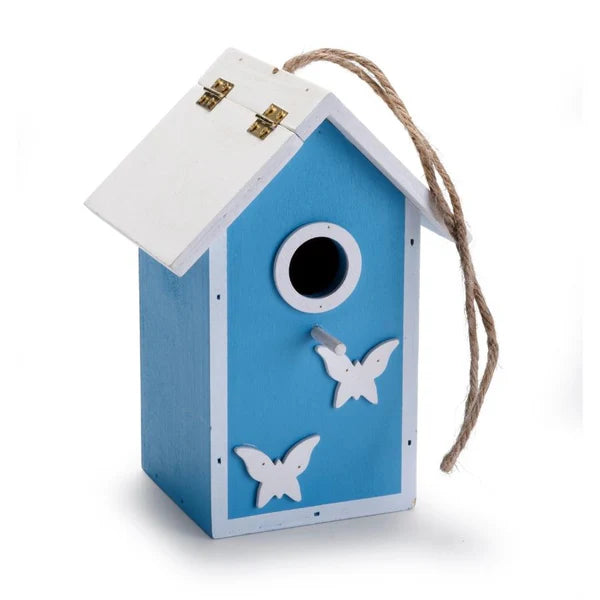
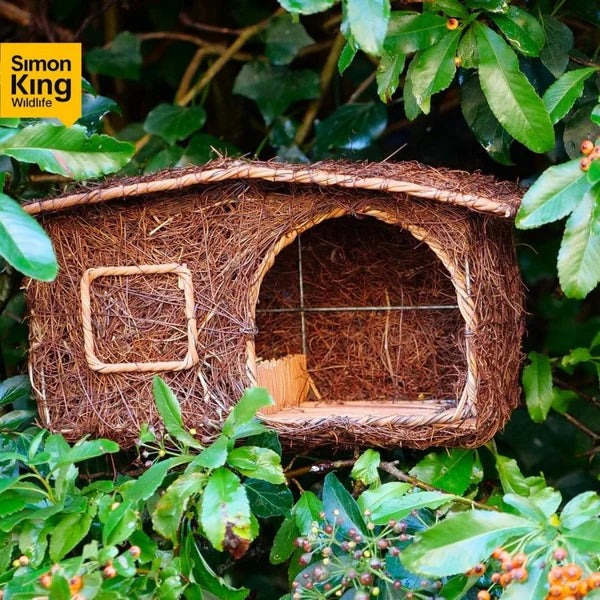
How to Choose the Right Bird Box
Choosing the right bird box comes down to who you’d like to welcome, where you’ll hang it, and how much space you have. Pick a box that suits your local birds, place it well, and you’ll give them a safer alternative to disappearing natural nest sites.
Consider your garden size
- Small gardens & balconies: Choose a compact box and fix it to a wall, fence, or sturdy post. Keep it calm and sheltered, and pair it with a bird feeder to encourage regular visits.
- Medium gardens: A mix of small-hole and open-fronted boxes works brilliantly. Space them out so territorial birds aren’t forced to compete.
- Large gardens & woodland edges: You can support more breeding pairs with multiple boxes spread across the space. Add a few different styles to suit different species.
Match bird boxes to UK garden birds
Different species like different entrances and internal space, so matching the box style makes all the difference.
|
UK bird species |
Recommended nest box type |
Ideal entrance/ style |
|
Blue Tit |
Small, enclosed box |
25mm hole |
|
Great tit |
Small, enclosed box |
28mm hole |
|
House Sparrow |
Terrace/ multi-compartment box |
32mm hole |
|
Starling |
Larger enclosed box |
45mm hole |
|
Robin |
Open-fronted box |
Open front |
|
Wren |
Open-fronted (or small entrance) |
Open front |
|
Nuthatch |
Deep enclosed box |
32mm hole |
|
Swift |
Swift box under eaves |
Special entry slot |
|
House Martin |
Cup-style nest (usually under eaves) |
Open cup |
Not sure what’s around? Spend a few days watching who visits, then choose a box that fits their size and habits, and put it up before spring so they can scout it out.
Bird Nesting Boxes Placement Tips
Proper placement of your nesting box increases the likelihood of birds moving in. Follow these key guidelines:
- Height: Position 2-4 meters above the ground to keep birds safe from predators.
- Direction: Face north or east to avoid direct sunlight and harsh winds.
- Shelter: Place near trees, shrubs, or hedges for added protection.
- Avoid Disturbance: Install away from high-traffic areas and noisy spaces.
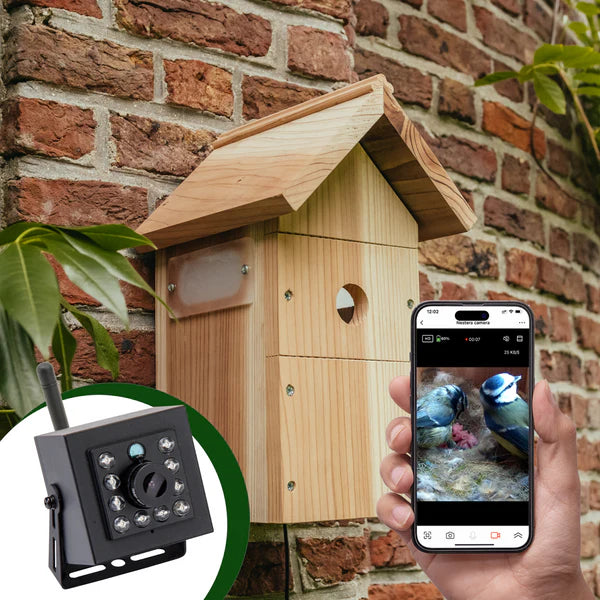
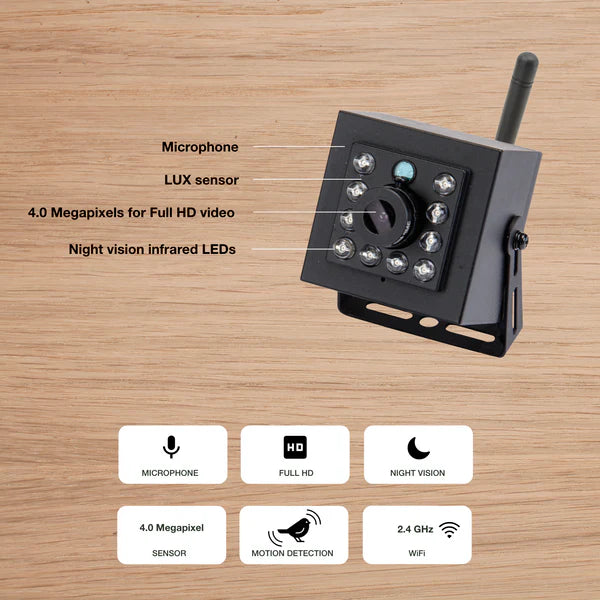
Pair your bird box with a bird box camera to monitor nesting activity up close!
Bird Box Maintenance Tips
Clean in autumn: Empty old nests in Sept-Oct, then rinse with boiling water only (no chemicals) and let it dry fully.
Check the roof & fixings: Tighten screws, repair cracks, and make sure the box stays stable through wind and winter.
Look after the wood: If needed, refresh with a wildlife-safe treatment every couple of years to keep it durable.
Food nearby, not next door: Position feeders and tables a little way off so nesting stays peaceful, and the bird houses stay clean. Add bird food and a bird table as an easy way to attract visitors without causing doorstep traffic. For a tidy setup, a wooden bird feeder station keeps food organised and helps you place feeding a sensible distance from your nesting sites.
Frequently Asked Questions
Where should I put a bird box?
Place it outside in a quiet, sheltered spot 2–4 metres up, with a clear flight path and some nearby cover (like hedges or shrubs). For best results in the UK, face it north or east to reduce wind and overheating.
When do birds use bird boxes in the UK?
Most nesting activity happens during the breeding season from March to August, with a busy peak in spring. If you can, install your box in autumn or winter so birds can scout it out early.
When and how should I clean a bird box?
Clean boxes between September and February, once nesting has finished, to support hygiene and conservation. Remove old material, then rinse with boiling water (no chemicals) and let it dry fully before putting it back up.
Can I put bird boxes near each other?
Sometimes, but some birds prefer space, while others tolerate neighbours, so choosing the right nest box (and spacing) makes a real difference. As a simple rule, give boxes room apart unless you’re targeting social species, and avoid clustering them right by a busy window or doorway.