





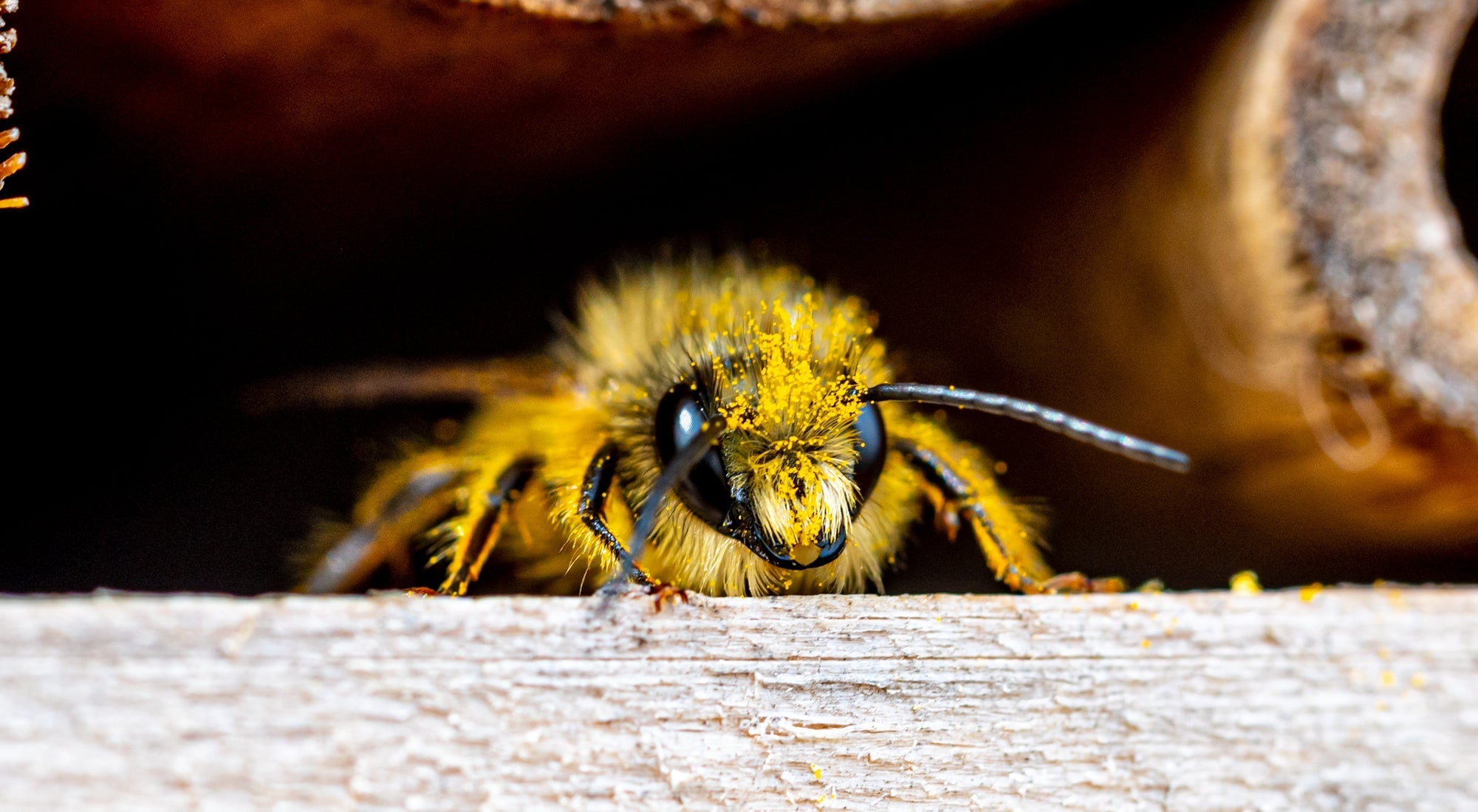
Bug Houses & Hotels
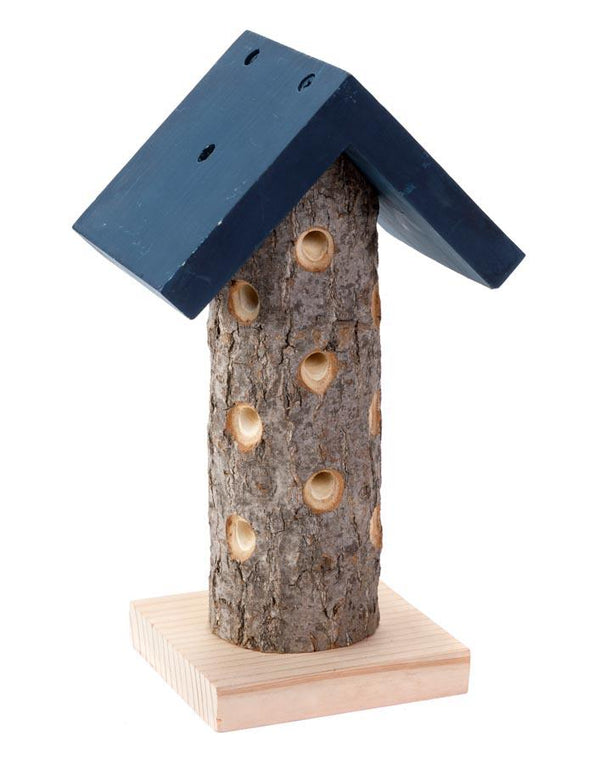
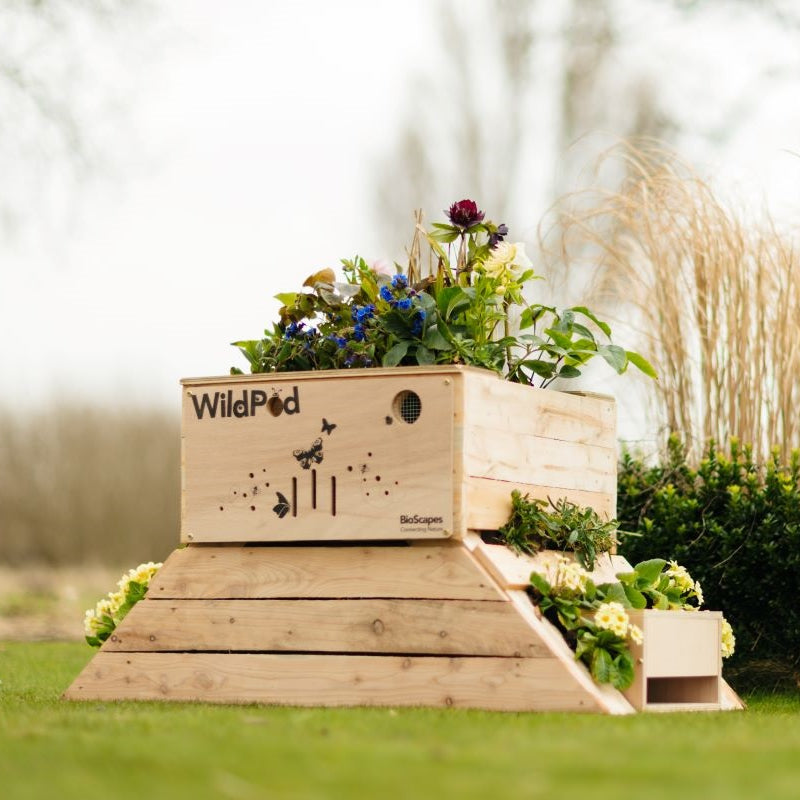
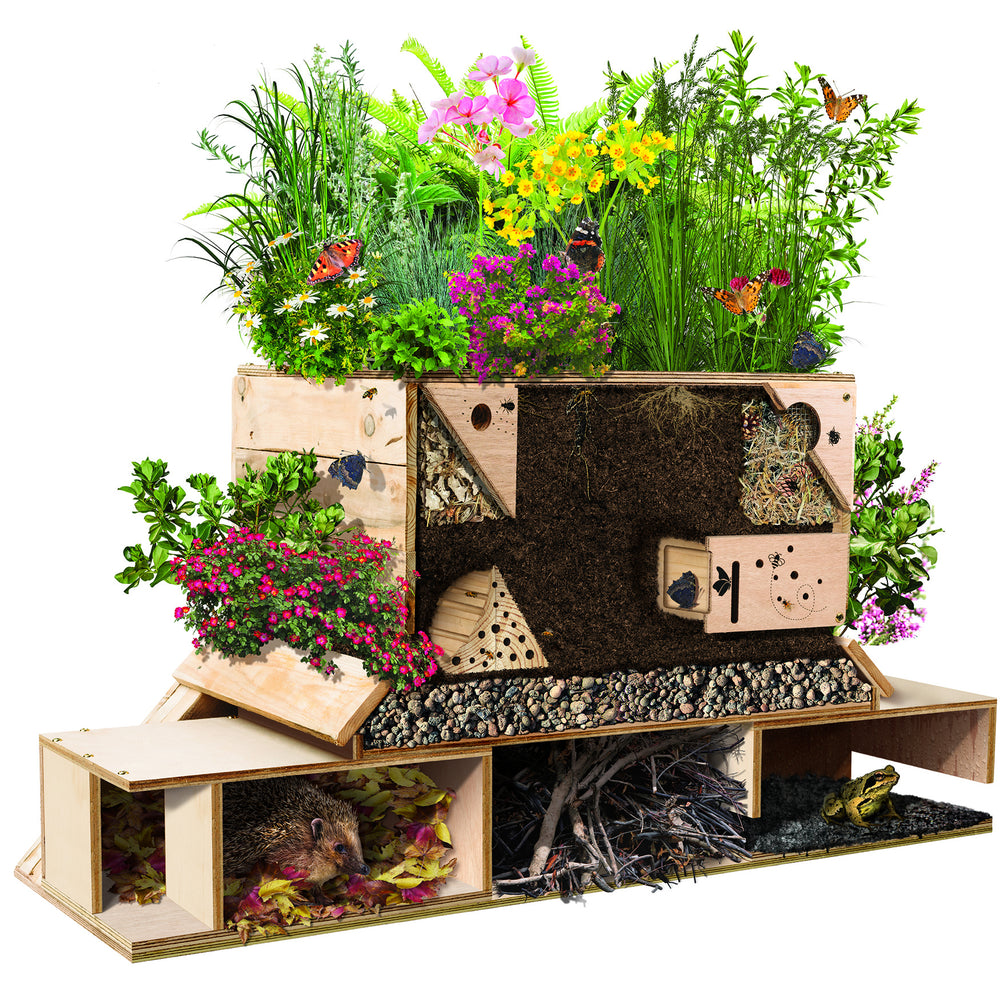
Our gardens are home to thousands of insect species, many of which help maintain a healthy ecosystem. Predatory insects like ladybirds and lacewings help control pests such as aphids and blackflies. Decomposers like beetles and woodlice break down organic matter, enriching the soil. Pollinators, including bees and butterflies, support plant growth and food production. We can encourage these beneficial insects through planting and bug houses for garden biodiversity and natural balance.
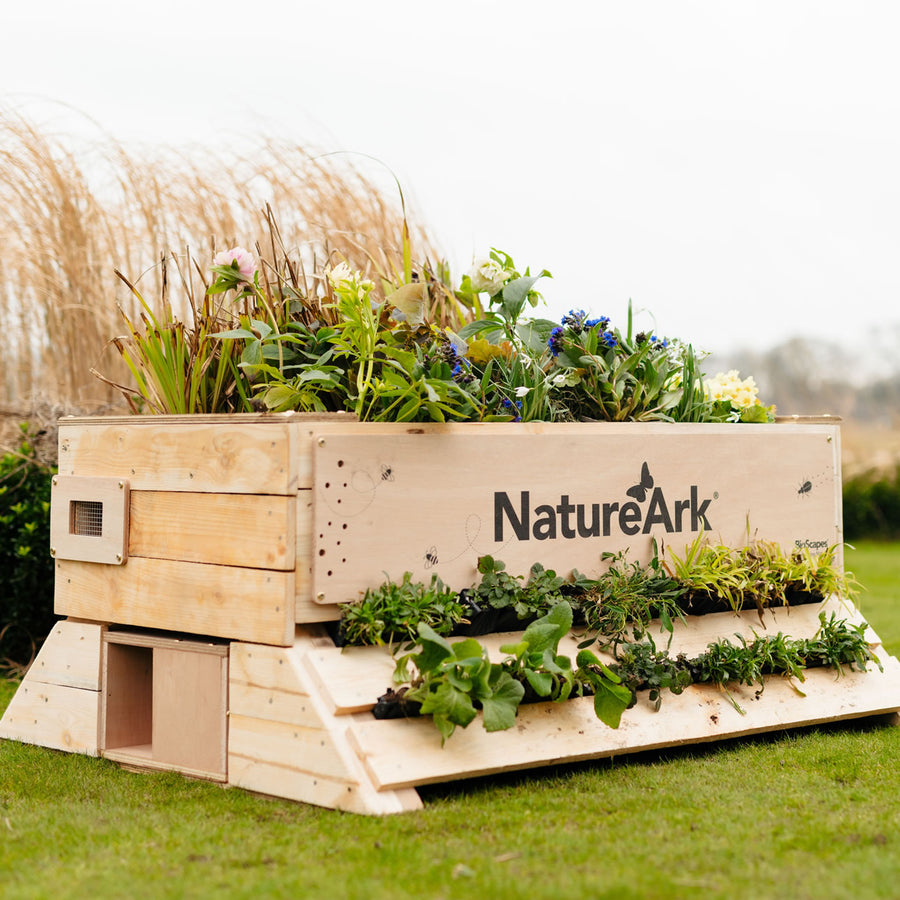
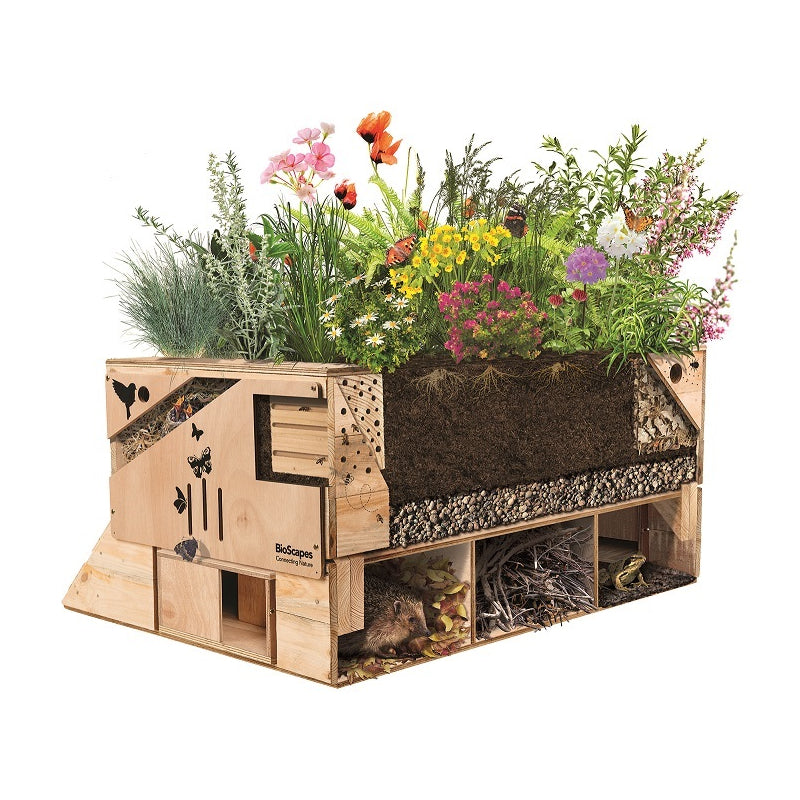
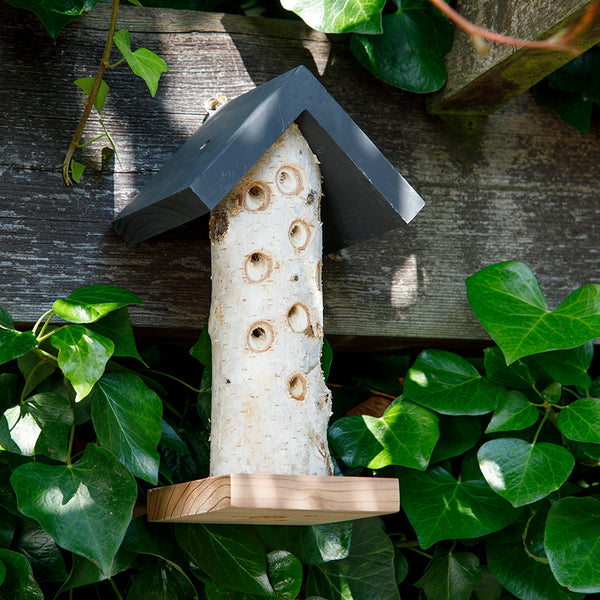
Frequently Asked Questions
How do you maintain a bug house?
Check for damage, tighten loose parts, and replace decayed materials like wood and bamboo. Keep compartments dry and free from mould, as damp conditions deter insects.
What materials are best for a bug house?
The best bug houses use natural and recycled materials such as wooden blocks, bamboo canes and pinecones. These materials provide breathable, moisture-resistant shelter while supporting an eco-friendly, sustainable garden habitat.
What do I do if my bug house is attracting unwanted garden pests?
Try relocating it to a sheltered, less disturbed area near flowers or dense vegetation. Check that the materials are free from decay and clean the house annually to remove debris and prevent pests. Keeping it off the ground and dry also helps deter unwanted visitors.
How does an insect house benefit frogs and other wildlife?
A well-placed insect house supports frogs and other wildlife by attracting insects that serve as a natural food source. Positioning it near a pond or damp area creates an ideal habitat, helping to sustain a diverse garden ecosystem.