Buy Erythronium dens-canis &

Erythronium dens-canis 'Purple King' Bulbs

Price
Regular price £26.99
Regular price Sale price £26.99
Save
/
Delivery from £5.99 within 3- 5 days
Bulbs
  • In stock, ready to ship
Tax included. Shipping calculated at checkout.

Erythronium dens-canis 'Purple King' Bulbs

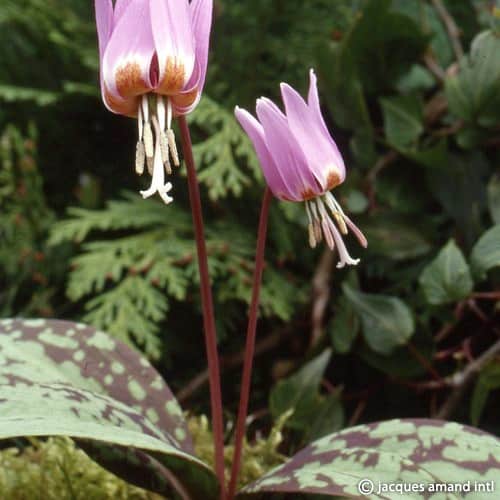
Erythronium dens-canis 'Purple King' bulbs generate an eye-catching plant with variegated foliage, consisting of greens and dark browns. These large, nodding flowers have petals with a stunning plum-purple hue that reflex backwards, showcasing a light brown dot at the flower’s centre.

Erythronium dens-canis 'Purple King' is appropriate for wooded habitats and damp spots, and can withstand drought when dormant. Its hardy nature allows it to propagate quickly and create colonies. Partial shade and indirect light, such as underneath a tree, are ideal growth conditions.

Planting Time: September - December

Flowering Time: March - May

Max height: 25cm


Frequently Asked Questions

When is the best time for autumn planting of spring bulbs?

The ideal time to plant spring flowering bulbs like tulips, daffodils, crocus, and snowdrops is from September to November. Planting during this period allows bulbs to establish roots before winter and ensures a healthy, vibrant bloom in early spring, with stunning green foliage and flower colours ranging from purple and blue to bright yellows and whites.

How long do spring bulbs take to flower?

Most spring bulbs planted in autumn start to flower between February and May, depending on the type. Early bloomers like snowdrops and crocus appear first, while tulips and daffodils follow later in spring, creating a sequential display of colour.

Can I plant different types of spring bulbs together?

Yes! Mixing different bulbs such as tulips, daffodils, and muscari adds something extra in terms of colour and texture to your garden. Planting in clusters or drifts creates a natural, layered effect, letting you get a longer flowering season and a richer display for both you and pollinators.

Do I need to remove foliage after flowering?

Yes, but allow leaves to die back naturally rather than cutting them too early. Leaving the foliage lets the plant save energy, which the bulbs use to produce strong, vibrant flowers come next spring.


Reviews

You may also like
Recently viewed