Buy Crocus tommasinianus var. &

Crocus tommasinianus var. 'Pictus' Corms

Price
Regular price £11.99
Regular price Sale price £11.99
Save
/
Delivery from £5.99 within 3- 5 days
Corms
  • In stock, ready to ship
Tax included. Shipping calculated at checkout.

Crocus tommasinianus var. 'Pictus' Corms

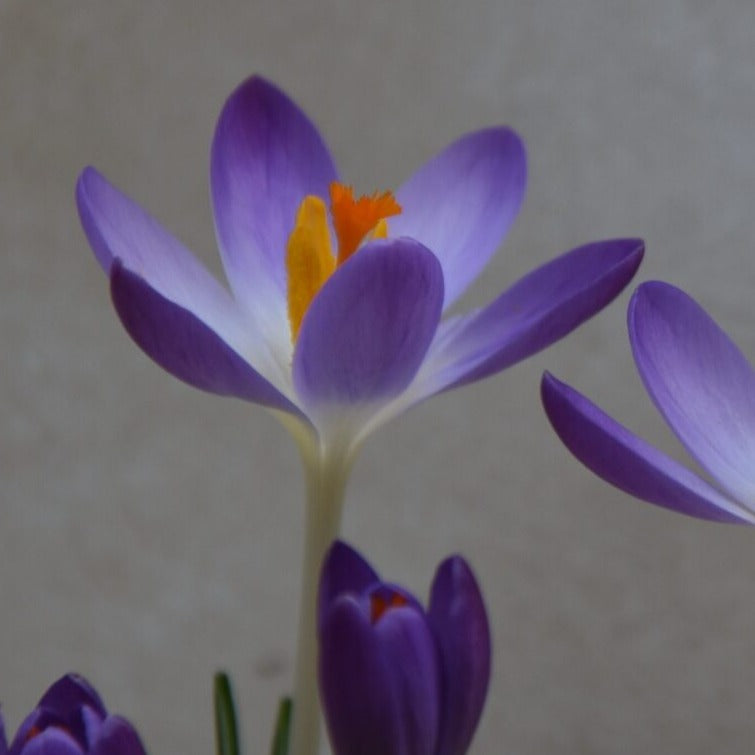
Crocus tommasinianus var. 'Pictus' bulbs yield a picturesque plant, featuring lavender petals that fade into a milky white, forming a gentle gradient of hues within the bloom. Vivid golden yellow anthers create a contrast on its pale petals.

Crocus tommasinianus 'Pictus' can grow in various types of soil, and while appearing fragile, is quite sturdy. It thrives in a moist environment that receives an ample amount of sunlight and is excellent for naturalizing. Pollinators are often attracted to this variety.

Planting Time: September - December

Flowering Time: January - March

Max height: 10cm


Frequently Asked Questions

When is the best time for autumn planting of spring bulbs?

The ideal time to plant spring flowering bulbs like tulips, daffodils, crocus, and snowdrops is from September to November. Planting during this period allows bulbs to establish roots before winter and ensures a healthy, vibrant bloom in early spring, with stunning green foliage and flower colours ranging from purple and blue to bright yellows and whites.

How long do spring bulbs take to flower?

Most spring bulbs planted in autumn start to flower between February and May, depending on the type. Early bloomers like snowdrops and crocus appear first, while tulips and daffodils follow later in spring, creating a sequential display of colour.

Can I plant different types of spring bulbs together?

Yes! Mixing different bulbs such as tulips, daffodils, and muscari adds something extra in terms of colour and texture to your garden. Planting in clusters or drifts creates a natural, layered effect, letting you get a longer flowering season and a richer display for both you and pollinators.

Do I need to remove foliage after flowering?

Yes, but allow leaves to die back naturally rather than cutting them too early. Leaving the foliage lets the plant save energy, which the bulbs use to produce strong, vibrant flowers come next spring.


Reviews

You may also like
Recently viewed