
Agralan Aphid Control - Lacewing Larvae

Aphid Control with Lacewing Larvae

Agralan Aphid Control - Lacewing Larvae

Regular price £35.99
/
Size
For Your Convenience

Auto-renews, skip or cancel anytime.

To add to cart, go to the product page and select a purchase option
Tax included. Shipping calculated at checkout.
  • In stock, ready to order
  • Backordered, shipping soon
UK mainland shipping from £5.99
  • We aim to deliver this product within 5- 7 working days

Agralan Aphid Control - Lacewing Larvae

Aphids are a common garden pest, clustering on new growth and feeding on plant sap. This weakens plants, distorts leaves and buds, and can lead to poor flowering or reduced crop yields. They also produce sticky honeydew, which encourages black sooty mould and attracts ants, making the problem even worse if left untreated.

How to Control Aphids

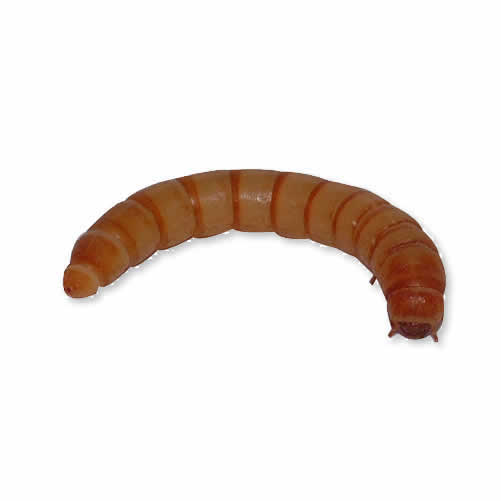
Lacewing larvae are a highly effective, natural predator of aphids and a great choice for wildlife-friendly gardening. Often called 'aphid lions', these voracious larvae actively hunt and feed on aphids, quickly reducing infestations. In addition to aphids, they will also tackle other small pests such as thrips, red spider mite and mealybugs, making them a versatile biological control for both indoor and outdoor plants.

How to Use Lacewing Larvae

Introduce lacewing larvae as soon as aphids are first spotted for best results. They can be used on plants indoors, in greenhouses or outdoors in the garden. Distribute the larvae carefully onto affected plants, ideally in the early morning or evening. For ongoing protection, make regular introductions between April and August while pest activity is high. May also be used for mealybug control, ensure temperatures remain above 15°C to support effective feeding and development.

Frequently Asked Questions

Are nematodes safe to use around pets, people, and wildlife?

Yes, when used as directed, nematodes target specific pests in soil, unlike metaldehyde options like certain slug pellets, and are widely used in organic-style pest management. Apply nematodes to moist soil and water well. Read our blog on Nematodes for Slugs to learn exactly how they work.

When should I use biological pest control for best results?

Start early, as soon as you spot a pest problem or expect eggs to hatch. Biological control works best when you act before numbers explode.

Can I use biological control agents with chemical pesticides?

Often not at the same time as many pesticides can harm beneficial organisms. If you’ve sprayed recently, check product guidance and allow a safe gap before introducing predators or nematodes. Be sure to check the current guidance on certain pesticides as outdoor use of metaldehydes are banned in the UK.

What flowers and plants do pests usually target first?

Pests usually target soft, tender new growth first like seedlings, fresh shoots, and flower buds, especially on plants like brassicas, hostas, and roses. Stressed plants (too dry, overcrowded, or underfed) are often hit even faster.

Garden Wildlife makes every effort to ensure that the goods you ordered get to you undamaged and in a timely fashion. 

Please check the estimated delivery period for individual products on their respective website page and please feel free to contact us with any questions before ordering.

Delivery to Scotland and Off-shore locations may not be possible, could take longer, or could cost more. If there are any issues regarding the delivery address our team will email you as soon as possible. 

We will always send you as much tracking information as possible regarding your order. Our team is also available to contact at sales@gardenwildlife.com should you need us.

This site is protected by hCaptcha and the hCaptcha Privacy Policy and Terms of Service apply.

Recently viewed