Flowering Bulbs in January
January is a quiet month in the bulb calendar but not an empty one. The main autumn planting window has closed, but several genera are well suited to winter planting and actively benefit from going into cool, dormant soil now. Lilies, hellebores, peonies, and the late-summer flowering Amarine and Amarcrinum all have planting windows that extend into winter, making January a genuine opportunity rather than a last resort.
Quick wins in January:
- Good window for lily bulbs, which are dormant now and establish well in cool soil before spring growth begins
- Suitable for hellebores and peonies planted in mild spells when the ground is workable
- Right time for Amarine and Amarcrinum, tender late-summer flowering bulbs that can be started now in a sheltered spot
- Roscoea rhizomes can go in now for their unusual orchid-like summer flowers
- Container planting is a practical alternative if garden soil is frozen or waterlogged
What Bulbs Can You Plant in January?
January suits a narrow but worthwhile range of genera. The varieties in this collection are those with planting windows that extend into winter, or that are specifically planted while dormant in cool conditions.
In January, look out for bulbs that:
- Are classified as winter-planting or autumn to winter-planting (check each product page)
- Are firm and free from soft spots or mould before planting
- Can go into containers if the ground is too hard or wet to plant into
- Are suited to a sheltered spot if they are on the tender side, particularly Amarine and Amarcrinum
Top 5 Bulbs for January Planting
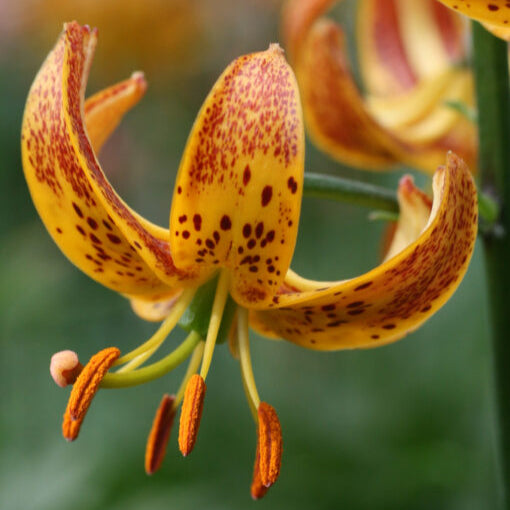
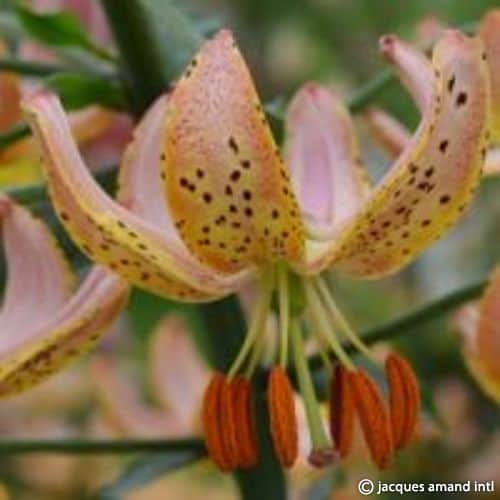
Lilium (Lilies): January is a viable planting month for lily bulbs while they’re fully dormant. Lilium martagon varieties are particularly well suited to partial shade and reliably hardy in UK gardens once established. Plant at around three times the bulb's depth in well-drained soil enriched with organic matter. Avoid waterlogged ground, which is the main cause of failure. In heavy or poorly draining soil, containers with free-draining compost are a better option.
Helleborus (Hellebores): Hellebores are one of the best plants to establish in January, as they flower in late winter and early spring and benefit from being in the ground well before their flowering period begins. They suit shaded and partially shaded spots with moist, well-drained soil and are long-lived once established. Remove old or damaged leaves in late winter to show off the flowers as they emerge.
Paeonia (Peonies): Peonies are planted as bare root rhizomes in autumn and winter, making January a suitable window in mild spells when the ground is still workable. They are long-lived garden plants that produce large, showy flowers in late spring and early summer and improve year on year. Plant with the crown buds no more than 2 to 5cm below the soil surface. Planting too deeply is the most common reason peonies fail to flower, and the mistake can take several seasons to diagnose.
Amarine and Amarcrinum: These tender, late-summer flowering bulbs produce elegant clusters of pink flowers on tall stems in August and September. They can be started in January in a sheltered, frost-free spot, making them a useful addition to a garden that needs late-season colour. Plant in a warm, sheltered position against a south-facing wall if growing outdoors, or keep in a frost-free greenhouse or conservatory until conditions improve. Both are best treated as borderline hardy in most UK gardens and benefit from a mulch over winter.
Roscoea: Unusual and rewarding plants that produce orchid-like flowers in shades of purple, yellow, and white in summer. They’re fully hardy in most UK gardens and grow from fleshy rhizomes that can be planted in January while dormant. Plant in partial shade with moist, humus-rich soil at around 10 to 15cm depth. They’re slow to emerge in spring, often not showing above ground until late spring, but are worth the wait.
Planting Tips for January Bulbs
Only plant into workable ground: Do not plant into frozen or waterlogged soil. If conditions are poor, plant into containers with free-draining compost and keep in a sheltered spot until the ground improves. A hard frost followed by a mild spell is often the best window for January planting.
Depth is critical for peonies: Plant peony rhizomes with the crown buds no more than 2 to 5cm below the soil surface. Too deep and they will not flower, sometimes for years. Mark the planting spot clearly so you don’t accidentally disturb them while waiting for growth to appear.
Add organic matter for lilies and hellebores: Both benefit from humus-rich, moisture-retentive soil. Work well-rotted compost or leaf mould into the planting hole before placing the bulb or rhizome.
Protect tender bulbs from frost: Amarine and Amarcrinum are not reliably frost-hardy in most UK gardens. Plant in a sheltered spot with a warm aspect, or keep in pots in a frost-free greenhouse or conservatory until late spring.
Be patient with Roscoea: These rhizomes are very slow to show above ground. They can take until May or June before any growth appears, which is normal. Don’t dig them up assuming they have failed.
Aftercare Made Simple
January-planted bulbs and rhizomes need very little active attention through winter. Avoid overwatering, particularly in containers, where cold, wet compost causes rot far more reliably than cold temperatures alone.
For lilies, mark the planting position clearly and avoid disturbing the area until growth appears in spring. Apply a light mulch of well-rotted compost over the planting area to help retain moisture and insulate roots from temperature fluctuations.
For hellebores, a top-dress of leaf mould or well-rotted compost in late winter feeds the plants as they come into growth. Cut back old foliage just before or as flowers emerge to improve air circulation and show off the blooms.
For peonies, expect little above-ground activity in the first season. Do not disturb or feed heavily in the first year. Once established, a top-dress of compost in spring and autumn is sufficient.