






Biological Pest Control
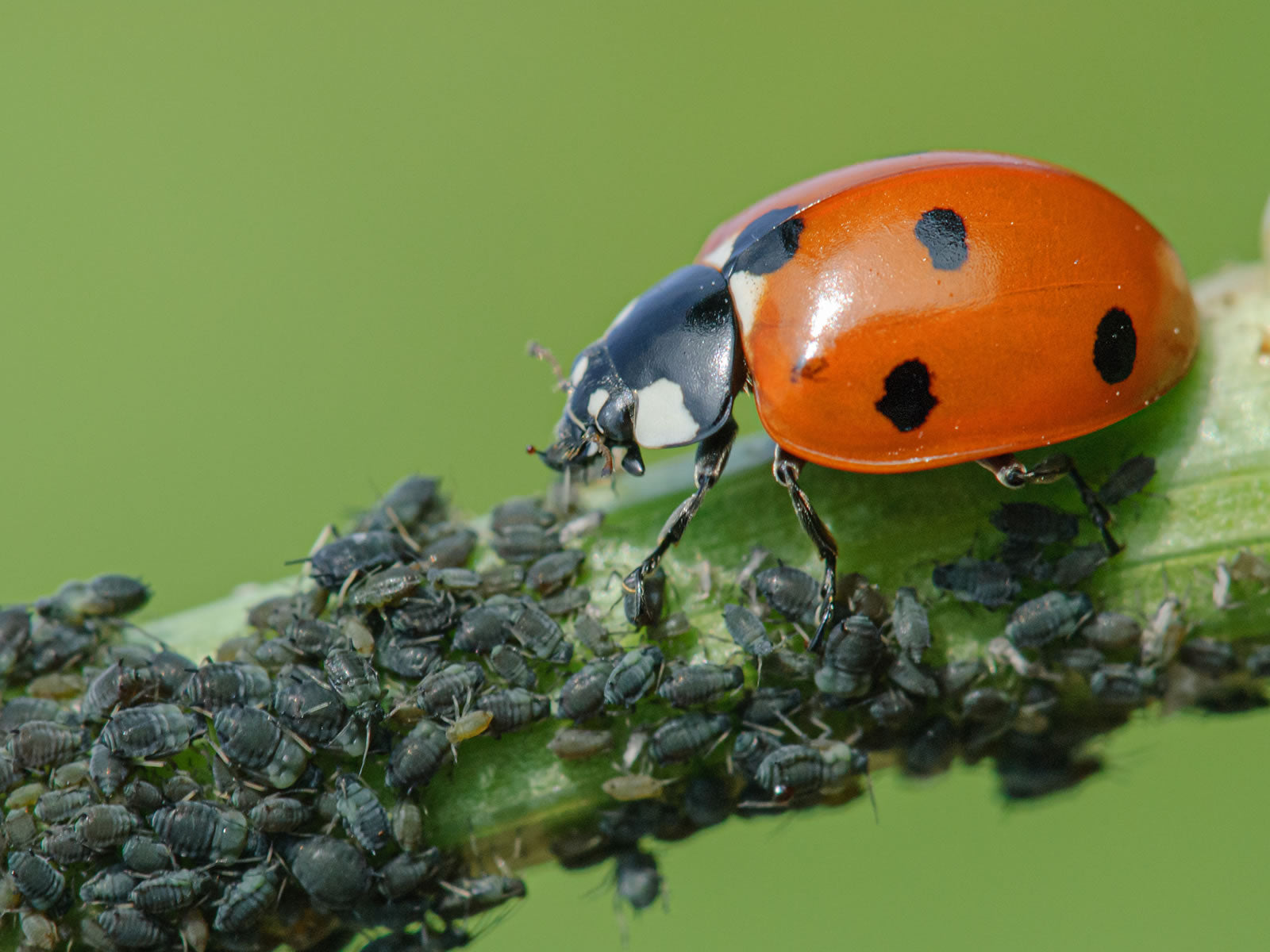
Biological pest control is a natural way to manage insect pests while protecting pollinators and other beneficial insects in your garden. Using biological control agents like nematodes and Ladybirds, you can target pest populations such as aphids, fungus gnats, scale insects, and spider mite infestations without relying on chemical pesticides. It’s a simple, cost effective approach to integrated pest management that helps protect your flowers, plants and produce, reduce pesticide resistance, and restore a healthier balance between pests and their natural enemies.


Frequently Asked Questions
Are nematodes safe to use around pets, people, and wildlife?
Yes, when used as directed, nematodes target specific pests in soil, unlike metaldehyde options like certain slug pellets, and are widely used in organic-style pest management. Apply nematodes to moist soil and water well. Read our blog on Nematodes for Slugs to learn exactly how they work.
When should I use biological pest control for best results?
Start early, as soon as you spot a pest problem or expect eggs to hatch. Biological control works best when you act before numbers explode.
Can I use biological control agents with chemical pesticides?
Often not at the same time as many pesticides can harm beneficial organisms. If you’ve sprayed recently, check product guidance and allow a safe gap before introducing predators or nematodes. Be sure to check the current guidance on certain pesticides as outdoor use of metaldehydes are banned in the UK.
What flowers and plants do pests usually target first?
Pests usually target soft, tender new growth first like seedlings, fresh shoots, and flower buds, especially on plants like brassicas, hostas, and roses. Stressed plants (too dry, overcrowded, or underfed) are often hit even faster.