







Hedgehog Hazards in the Garden: 6 Dangers and How to Prevent Them

Hedgehog hazards are responsible for more preventable injuries and deaths than most gardeners realise, and the most common ones involve everyday tools and tasks: strimmers, bonfires, netting, slug pellets, and steep-sided drops like uncovered drains and garden ponds. A five-minute check before you cut, burn, net, or spray is usually all it takes to avoid the worst of it.
The spots gardeners tend to disturb the most, like long grass, hedge bases, and piles of garden waste, are typically where they spend the day asleep in their nests. During the breeding season, which runs from spring into late summer, those nests often hold a mother with hoglets, and that’s when things go badly wrong quickly. That said, none of the hazards below are seasonal. They apply all year round, and none of them require new kit or money to fix. They require a habit.
Strimmers, Mowers and Garden Tools

A hedgehog's instinct when frightened is to curl into a ball and trust its spines. That works against a predator; however, it does nothing against a blade. Strimmer and mower injuries are among the most common garden hazards hedgehogs face, and day nests sit exactly where long grass and scrubby borders grow.
Before cutting long grass, a hedge base, or an overgrown corner, walk the area first. A garden cane or the toe of a boot swept gently through is enough to disturb anything that needs to move. Cut high first, to around a foot, then check again before going lower. Lift the hedge skirts and look underneath.
If you find a nest, mark it and leave that patch alone for at least four weeks. A mother will sometimes move hoglets if disturbed early, but a maternity nest disturbed in the first days of a litter is often abandoned. If in doubt, leave it another week.
Bonfires and Garden Waste Piles

A pile of brash, leaves, or grass cuttings left in a corner for a week or more is a hedgehog magnet. A pregnant female will actively seek out exactly that kind of structure as a nest site, and by the time a match is struck, there may be a whole litter inside.
The British Hedgehog Preservation Society's advice is straightforward:
- Move the material to clear ground on the day it is to be lit
- Check the whole pile carefully just before lighting
- Start from one side only, so anything inside has an escape route
The same applies to bonfire night in autumn, which is one of the riskiest nights of the year for any hibernating hedgehog searching for winter quarters.

Image Credit: Allan Allsop & BHPS
Compost heaps deserve the same care. Check before sinking in a fork. Composting, chipping, or stacking material as a log pile instead of burning it also keeps the beetles and other invertebrates that hedgehogs feed on alive and in the garden.
Garden Netting, Sports Nets and Fruit Cages
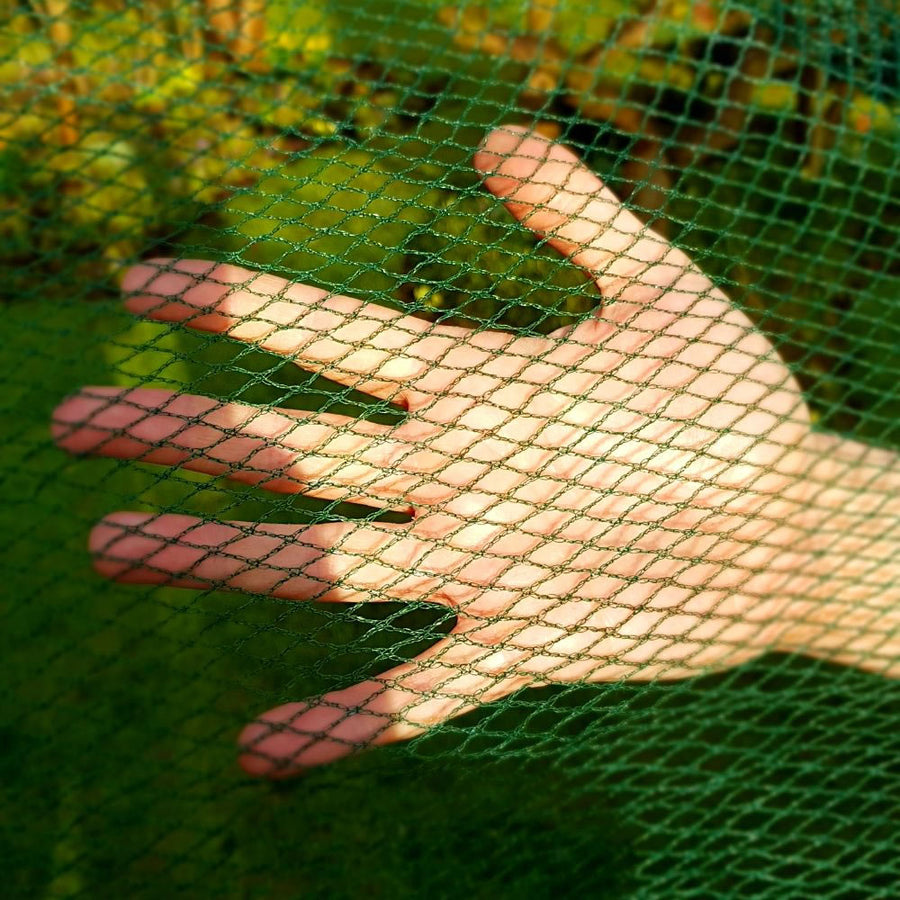
Plastic mesh and garden netting are among the most damaging garden hazards for small animals. A hedgehog pushes partway through, the netting cinches around its body or a leg, and the more it struggles, the tighter it gets. Left tangled, it can kill. Football and badminton nets left up overnight are a regular cause, and pea netting and fruit cages account for many of the rest.
Raise any low-hanging netting at least 30cm clear of the ground, or swap to a rigid alternative such as chicken wire fixed taut. Take sports nets down every evening. While soft fruit is ripening and cages are up, walk the perimeter daily. Hoglets newly out of the nest are the usual victims; a trapped hedgehog will not always make noise, and time matters. If you find a hedgehog trapped in netting, gently untangle it and take it to a local wildlife rehabilitation centre. Netting injuries can causes skin infection several days later, even if no injury is visible at the time of rescue.
Slug Pellets and Garden Chemicals
Metaldehyde slug pellets were banned for outdoor use in 2022, but pellets marketed as wildlife safe still present a problem, and the wider issue is further down the food chain. Pesticides knock out the beetles, worms, slugs and snails, and other invertebrates that make up most of a hedgehog's diet. Poisoned prey eaten by a hedgehog can deliver a secondary dose.
A hedgehog visits a garden when there is food. Remove that food source, and hedgehogs stop visiting, or worse, linger and go hungry. Switch to organic slug control such as copper tape or nematodes, and pair pesticide-free borders with an unmown patch and a log pile. That combination keeps a garden reliably welcoming for hedgehogs and other wildlife across the whole season.
Drains, Ponds and Steep-Sided Drops

Hoglets are small, and anything with sheer sides is a serious risk. Drain covers with gaps over 4cm, uncovered swimming pools, window wells, and cattle grids all present the same problem. A length of rough wood or a gentle slope pushed against the inner wall of a pond or pool gives a way back to the ground. Steep-sided ponds are a known hazard, so sloping sides or a permanent ramp are worth fitting if you're building or redesigning.
Walk the garden at ground level. Anything a young hedgehog might fall into needs a cover, a ramp, or a step out. Deep plant pots and forgotten buckets count too, as they fill with water after summer storms.
How to Make Your Garden Hedgehog Friendly
Removing the hazards above is most of the job. The rest is making the garden somewhere hedgehogs want to be.
|
What to Do |
Why it Helps |
|
Cut a gap the size of a CD case at the base of a fence |
Creates a hedgehog highway linking your plot to neighbouring gardens, the single most effective thing you can do for the local hedgehog population |
|
Add native plants, an unmown corner, and a log pile |
Feeds the beetles, insects, and other invertebrates that hedgehogs rely on |
|
Go pesticide-free |
Keeps the natural food source manageable and avoids secondary poisoning |
|
Put out a shallow dish of fresh water around the garden |
Particularly useful in hot weather when natural water sources dry up. The British Hedgehog Preservation Society recommends several dishes rather than one, spread across the garden |
|
Provide hedgehog food |
Safe supplementary feeding for garden visitors; avoid milk, bread, and anything heavily processed |
|
Add a hedgehog house in a quiet corner away from outside lights |
Gives females somewhere safe for nesting and provides any hedgehog with secure winter protection |
|
Leave log piles and leaf piles standing through winter |
Protects hibernating hedgehogs at their most vulnerable |
|
Keep hazard checks going through the breeding season and around bonfire night |
The period when nesting hedgehogs and hoglets are most at risk |
Take It Further
Most hedgehog injuries are preventable, and most of what helps costs nothing. A check before you strim, a ramp in the pond, netting raised off the ground, and a gap in the fence add up to a garden that's genuinely safer for hedgehogs across the whole year.
If you want to go a step further, logging sightings on the BIG Hedgehog Map and signing up to Hedgehog Street, the joint project from the British Hedgehog Preservation Society and the People's Trust for Endangered Species, helps build a clearer picture of where hedgehogs are holding on and where they need more support. The Hedgehog Pledge is open all year for anyone who wants to make it official.
And if your garden is ready for a resident, Garden Wildlife has an entire collection dedicated to helping garden hedgehogs thrive.
Related Blogs:
What Do Hedgehogs Eat
Where to Put a Hedgehog Houses
Do Hedgehogs Hibernate
Frequently Asked Questions
What is the biggest hazard to hedgehogs in gardens?
Garden machinery. Strimmer and mower injuries are among the most common reasons hedgehogs reach wildlife rescues, because a hedgehog's defence is to curl up rather than run. Walking long grass and hedge bases before every cut prevents most of these injuries.
Are slug pellets harmful to hedgehogs?
Metaldehyde pellets were banned for outdoor use in 2022, but any pellet is best avoided. Pesticides and pellets remove the slugs, beetles, and other invertebrates that hedgehogs eat, and poisoned prey can pass on a secondary dose. Nematodes and copper tape are the hedgehog-safe alternatives.
What should I do if I find an injured or trapped hedgehog?
Cut it free of netting if you can do so safely, place it in a high-sided box with a towel somewhere warm and quiet, and contact BHPS or a local wildlife rescue before doing anything else. A hedgehog out and about in daylight is usually a sign that something is wrong.
How do I check my garden is safe for hedgehogs?
Walk it at ground level: check long grass before cutting, move piles before burning, raise netting to 30cm, cover open holes and drain covers, and fit a ramp in every pond.